

The avian world is filled with extraordinary talents and peculiar adaptations, but perhaps none is quite as mystifying as the ability of certain birds to produce melodious songs without visibly opening their beaks. This remarkable phenomenon challenges our understanding of bird vocalization and reveals the incredible evolutionary adaptations that allow these feathered virtuosos to create complex sounds while appearing nearly motionless. From ventriloquist-like thrushes to the mysterious whispering bellbirds, these birds have developed specialized anatomical features and techniques that enable them to produce enchanting melodies that seem to emanate from nowhere. This fascinating ability serves various ecological and social purposes, from territorial defense to mate attraction, all while conserving energy and potentially confusing predators. Let’s explore the science, species, and significance behind the birds that sing without opening their beaks.
The Science Behind Closed-Beak Singing

While it may appear magical, the ability of certain birds to sing without visibly opening their beaks is rooted in complex avian anatomy and physiology. Unlike humans who primarily use their mouths and vocal cords to produce sound, birds possess a specialized vocal organ called the syrinx, located at the junction of the trachea and bronchi. This unique structure allows birds to produce sounds with minimal external movement, as the vibrations occur deep within their respiratory system. The syrinx contains membranes and muscles that can be controlled with extraordinary precision, enabling birds to produce varied sounds without necessarily opening their beaks wide. Additionally, birds can manipulate air through their respiratory system in ways that amplify and modify sounds, creating the illusion that they’re singing effortlessly with closed beaks.
The Syrinx: Nature’s Most Sophisticated Instrument
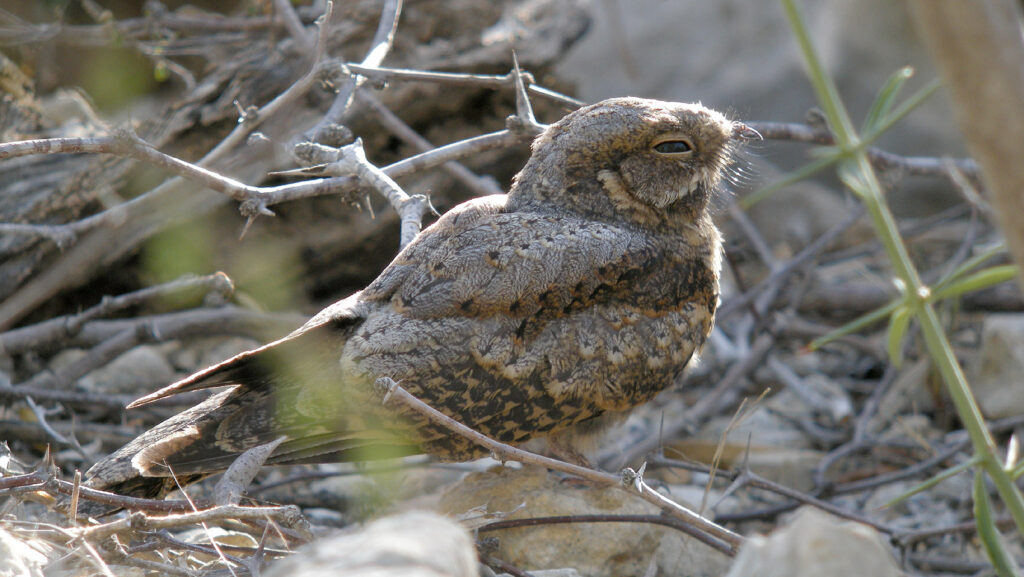
The avian syrinx represents one of nature’s most remarkable sound-producing organs, far more complex than the human larynx in many ways. Located at the base of the trachea where it divides into the bronchi, this specialized structure allows birds to produce a wider range of sounds than virtually any other vertebrate. What makes the syrinx particularly exceptional is its dual nature – many birds can actually control each side independently, essentially giving them two voice boxes that can produce different notes simultaneously. This anatomical marvel enables birds to create complex harmonies and even duet with themselves, all while maintaining minimal external movement of their beaks. The syrinx’s intricate muscle control system allows for rapid modulation of pitch, volume, and tone, creating songs of astonishing complexity that seem to defy the physical limitations of their small bodies.
The Ventriloquist Thrush: Master of Illusion

Among the most accomplished closed-beak singers is the Hermit Thrush (Catharus guttatus), often referred to as the “ventriloquist thrush” due to its remarkable ability to project sound. This medium-sized North American songbird produces hauntingly beautiful, flute-like melodies that seem to emanate from everywhere and nowhere simultaneously, despite showing minimal beak movement. Observers have long noted how difficult it can be to locate a singing Hermit Thrush, as the source of the sound appears to shift mysteriously through the forest. This ventriloquist-like quality comes from the bird’s specialized syrinx and its habit of singing with its beak barely parted, combined with the way sound waves interact with the dense forest habitat. The thrush’s song consists of a clear, introductory note followed by a series of descending musical phrases that seem to spiral and echo through the woods, creating an ethereal quality that enhances the ventriloquism effect.
The Mysterious Bellbirds

Bellbirds represent some of the most fascinating examples of closed-beak singers, with several species renowned for their extraordinary vocalizations. The Three-wattled Bellbird (Procnias tricarunculatus) of Central America produces one of the loudest bird calls on Earth, measuring over 100 decibels, yet often does so with minimal beak movement. Even more remarkable is the White Bellbird (Procnias albus) of South America, which holds the record for the loudest bird call ever recorded at approximately 125 decibels – comparable to a jackhammer – despite singing with a nearly closed beak. These bellbirds have evolved specialized resonating chambers in their throats that amplify sound to extraordinary levels while minimizing energy expenditure. Their remarkable “ventriloquist” abilities serve both to attract mates across vast distances and to confuse potential predators about their exact location in the dense forest canopy.
Evolutionary Advantages of Closed-Beak Singing

The ability to produce song without widely opening the beak offers several evolutionary advantages that have shaped avian vocalization over millions of years. First and foremost, this adaptation allows birds to communicate while remaining less visible to predators, as an open beak can be a conspicuous visual cue that draws unwanted attention. Additionally, closed-beak singing enables birds to vocalize while performing other essential activities like foraging or flying, maximizing efficiency in their daily routines. From an energy conservation perspective, producing sound with minimal muscular movement of the beak and facial structures requires less caloric expenditure, an important consideration for creatures with such high metabolic demands. Finally, the ventriloquist-like quality of closed-beak singing can serve as an anti-predator adaptation by making it difficult for potential threats to pinpoint the bird’s exact location, providing crucial seconds that might make the difference between escape and capture.
The Whispering Grassbird Phenomenon

Several species of grassbirds have perfected the art of “whispering” songs that carry surprisingly far despite being produced with minimal effort and beak movement. The Grasshopper Warbler (Locustella naevia) of Europe and Asia is particularly known for its remarkable ventriloquial “reeling” song that sounds like a fishing reel being unwound rapidly. This insect-like vocalization is produced while the bird keeps its beak nearly closed, with the sound seemingly emanating from multiple directions at once. Similarly, the Grassbird (Megalurus gramineus) of Australasia produces its rhythmic, cricket-like song through a barely moving beak, creating an acoustic puzzle for both predators and human observers. These grassland specialists have evolved their whispered, ventriloquial songs as adaptations to their open habitats, where being heard without being seen provides a significant survival advantage in environments with few hiding places.
Sound Projection and Acoustic Physics

The physics behind closed-beak singing involves sophisticated principles of acoustics that birds have evolved to exploit with remarkable efficiency. When a bird sings with its beak nearly closed, it creates a specialized resonance chamber that can actually amplify certain frequencies while dampening others, allowing for sound projection that defies expectations given the minimal aperture. This acoustic phenomenon is similar to playing a wind instrument like a flute, where small changes in the embouchure (mouth position) can dramatically alter the sound quality and projection. Additionally, birds can manipulate the shape of their throat and upper respiratory tract to create directional sound projection, effectively “aiming” their songs in particular directions despite the beak remaining mostly closed. The complex interplay between the bird’s respiratory system, syrinx, throat, and slightly parted beak creates acoustic properties that maximize sound travel through different environments, whether dense forest, open grassland, or mountain terrain.
Mimics and Ventriloquists: The Lyrebird Mystery
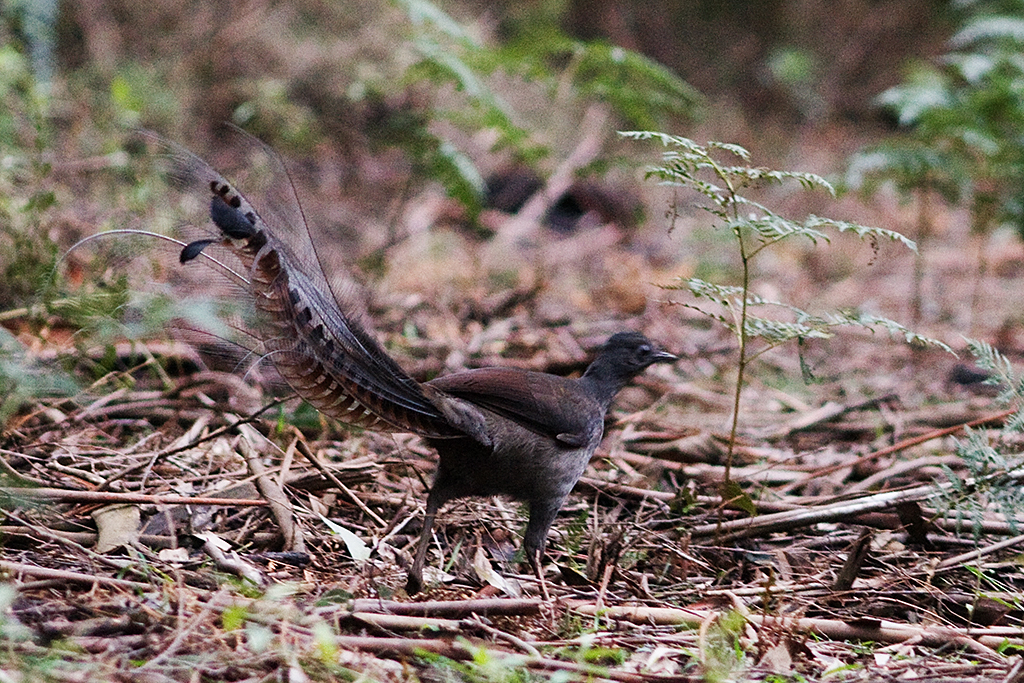
Perhaps no discussion of closed-beak singing would be complete without mentioning the extraordinary Superb Lyrebird (Menura novaehollandiae) of Australia, nature’s most accomplished avian mimic. What makes the Lyrebird particularly remarkable is its ability to reproduce an astonishing array of sounds—from other bird calls to camera shutters, car alarms, and even chainsaws—often while showing minimal beak movement. This extraordinary mimicry capability stems from the Lyrebird’s complex syrinx and exceptional neurological control over its vocal apparatus, allowing it to produce multiple sounds simultaneously. Researchers have observed that when reproducing certain sounds, particularly mechanical ones, the Lyrebird keeps its beak nearly closed while the complex vocalization seems to emanate from its general area rather than directly from the bird itself. This ventriloquial quality adds to the mystique of the Lyrebird’s performances and represents one of the most sophisticated examples of closed-beak vocalization in the avian world.
Nightjars: Nocturnal Ventriloquists
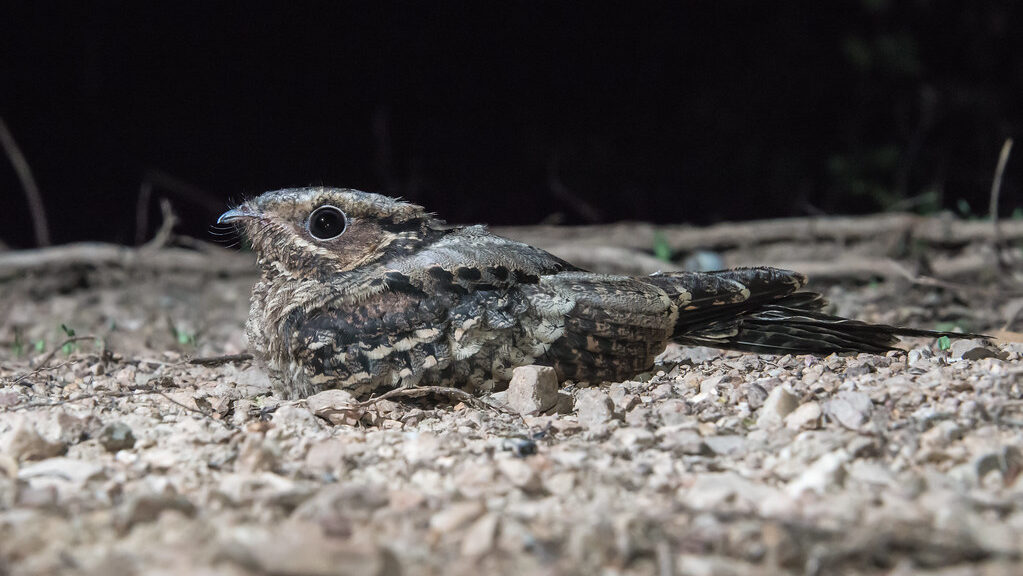
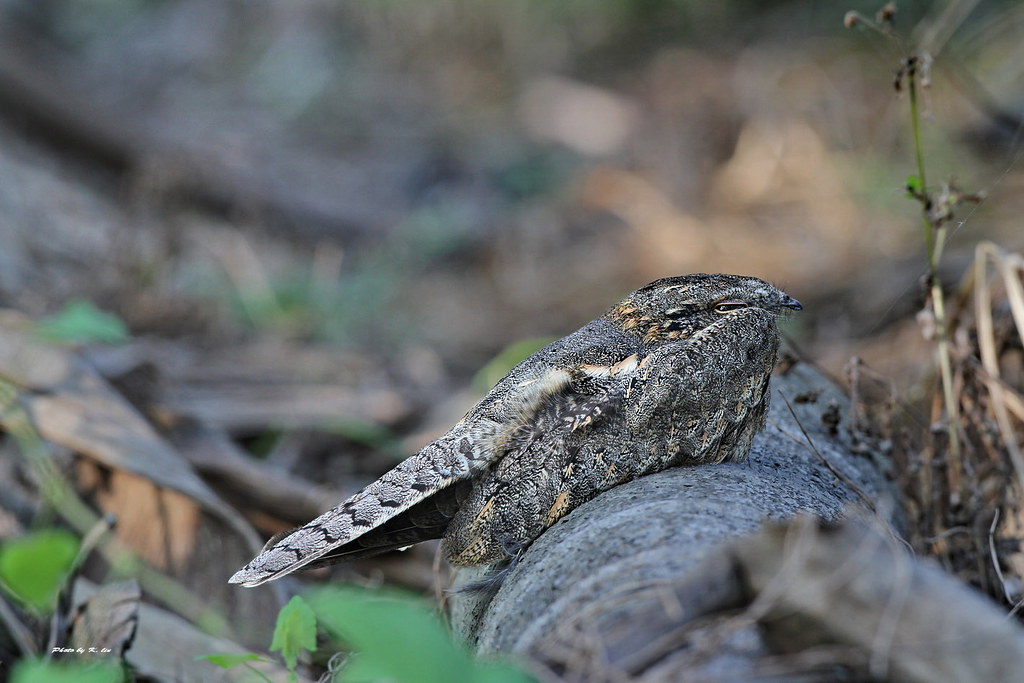
Nightjars represent some of the most accomplished nocturnal practitioners of closed-beak singing, creating their distinctive calls with minimal visible movement. The Common Nighthawk (Chordeiles minor) produces its nasal “peent” calls while keeping its beak nearly closed, creating a ventriloquial effect that makes the bird difficult to locate in the twilight sky. Even more remarkable is the Whip-poor-will (Antrostomus vociferus), whose namesake call can be repeated hundreds of times in succession with barely perceptible beak movement, despite the considerable volume it achieves. These nocturnal specialists have evolved their closed-beak calling technique as an adaptation to their hunting lifestyle, allowing them to vocalize while maintaining the wide gape necessary for catching flying insects. The structure of nightjar vocalizations—repetitive, mechanical-sounding phrases—is particularly well-suited to closed-beak production, as these birds can set their vocal apparatus in a particular configuration and maintain it with minimal adjustment, producing their distinctive sounds through subtle internal manipulations rather than obvious external movements.
The Role of Throat Pouches and Resonating Chambers

Several bird species have evolved specialized anatomical features that enhance their ability to sing without opening their beaks widely. The most dramatic examples include birds with expandable throat pouches or sacs that serve as resonating chambers, amplifying sounds produced by the syrinx. The Greater Prairie Chicken (Tympanuchus cupido) possesses orange air sacs on either side of its neck that inflate dramatically during courtship displays, producing booming sounds while the bird’s beak remains nearly closed. Similarly, the Magnificent Frigatebird (Fregata magnificens) inflates a massive scarlet throat pouch during courtship, using it to produce drumming sounds with minimal beak movement. These specialized structures effectively function as built-in amplifiers, allowing birds to produce louder, more resonant sounds than would be possible through open-beak singing alone. The evolutionary development of these resonating chambers represents a fascinating example of how different anatomical adaptations can serve the same purpose of efficient sound production with minimal external movement.
Recording and Studying Closed-Beak Singers
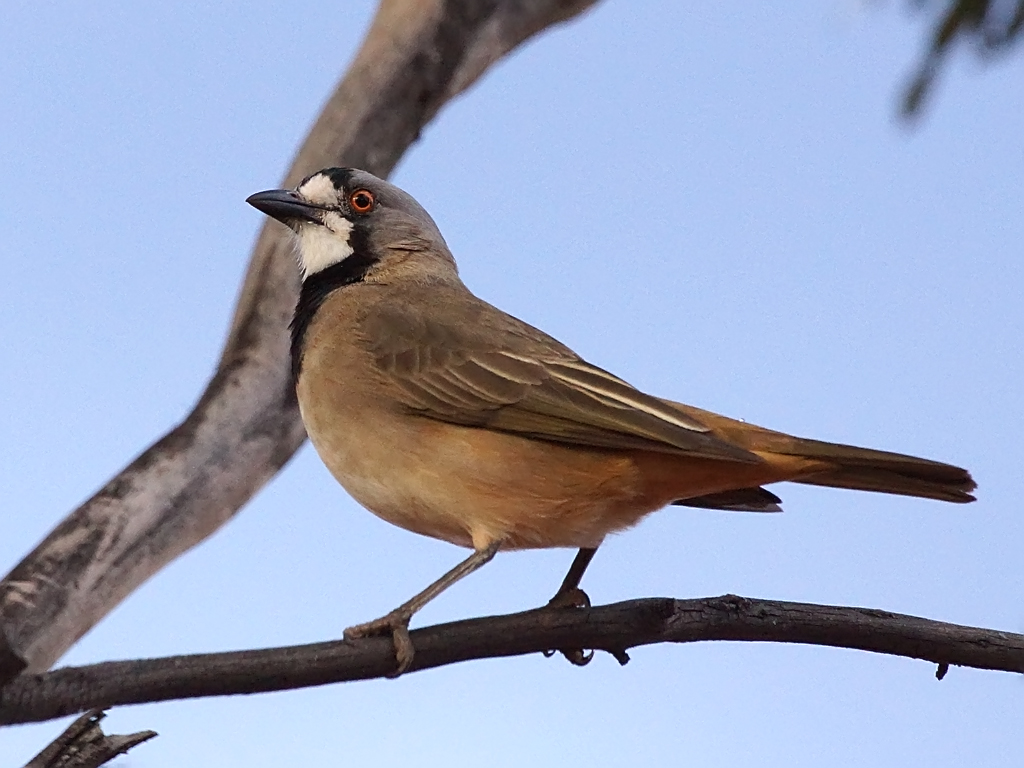
Ornithologists and bioacoustic researchers face unique challenges when documenting and analyzing the vocalizations of closed-beak singers. Traditional field observation techniques often prove inadequate for these species, as the ventriloquial quality of their songs makes locating the source extremely difficult, sometimes leading to misidentification or incomplete documentation. Modern research relies increasingly on specialized directional microphones, acoustic triangulation systems, and high-speed video recording to capture both the sounds and the subtle physical movements associated with closed-beak singing. Advanced techniques like acoustic tomography can map sound propagation patterns in three-dimensional space, helping researchers understand how these birds project their voices so effectively with minimal visible effort. Laboratory studies using specialized X-ray videography have been particularly revealing, allowing scientists to observe the internal movements of the syrinx, trachea, and associated structures while birds vocalize, providing unprecedented insights into the physiological mechanisms behind this remarkable ability.
Conservation Implications for Ventriloquist Birds
The conservation of birds known for their closed-beak singing abilities presents unique challenges and considerations in our rapidly changing world. Many of these species rely heavily on their specialized vocalizations for territory defense and mate attraction, making them particularly vulnerable to noise pollution that can mask or interfere with their songs. Research has shown that urban and industrial noise can force birds to modify their vocalizations, potentially disrupting the delicate balance of their closed-beak singing techniques that have evolved over millennia. Habitat fragmentation poses another significant threat, as it can disrupt acoustic transmission pathways through forests and grasslands, potentially reducing the effectiveness of ventriloquial songs that rely on specific environmental acoustics. Conservation efforts must therefore consider not just the physical habitat but also the acoustic environment these specialized singers require, implementing noise buffer zones around critical breeding areas and preserving large, contiguous habitats that maintain the acoustic properties these remarkable birds have evolved to exploit.
Conclusion

The phenomenon of birds singing without opening their beaks represents one of nature’s most elegant solutions to the challenges of communication in the natural world. Through remarkable evolutionary adaptations—from the sophisticated syrinx to specialized resonating chambers—these avian ventriloquists demonstrate the extraordinary diversity of strategies that have evolved in the perpetual dance of survival and reproduction. Their ability to produce complex, beautiful, and far-carrying sounds with minimal visible effort not only fascinates human observers but serves critical ecological functions, from mate attraction to predator confusion. As we continue to study these remarkable birds, we gain not just scientific knowledge about acoustics and anatomy, but a deeper appreciation for the subtle wonders of nature that surround us. The next time you hear a bird song that seems to come from everywhere and nowhere at once, remember that you might be experiencing one of nature’s most sophisticated performers—the bird that sings without opening its beak.