

Bird watching is a delightful hobby that connects us with nature right in our own backyards. The right pair of binoculars can transform a casual glance at feathered visitors into an immersive wildlife experience. For beginners especially, choosing appropriate binoculars can make the difference between frustration and fascination. This guide will walk you through everything you need to know about selecting your first pair of binoculars for backyard bird watching, helping you make an informed decision that matches your needs and budget.
Understanding Binocular Basics
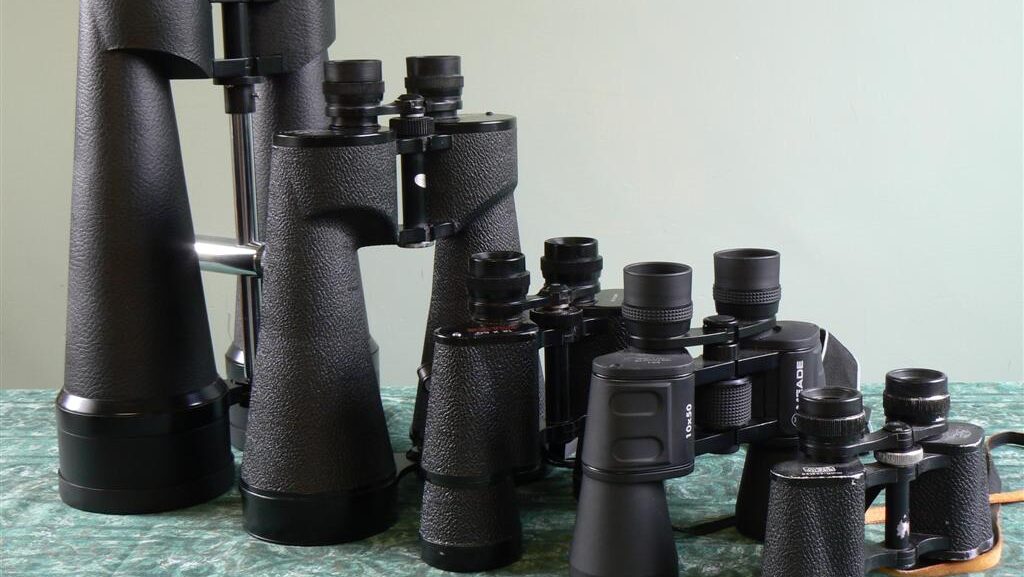
Binoculars are typically described by two numbers, such as 8×42 or 10×50, which represent their magnification power and objective lens diameter respectively. The first number indicates how many times closer an object will appear (8x means objects appear 8 times closer than with the naked eye). The second number refers to the diameter of the front lenses in millimeters, which affects how much light enters the binoculars. Larger objective lenses gather more light, resulting in brighter images, especially useful in low-light conditions like dawn or dusk when birds are most active. Understanding these specifications is your first step toward making an informed choice that aligns with your birdwatching goals.
Ideal Magnification for Backyard Birding
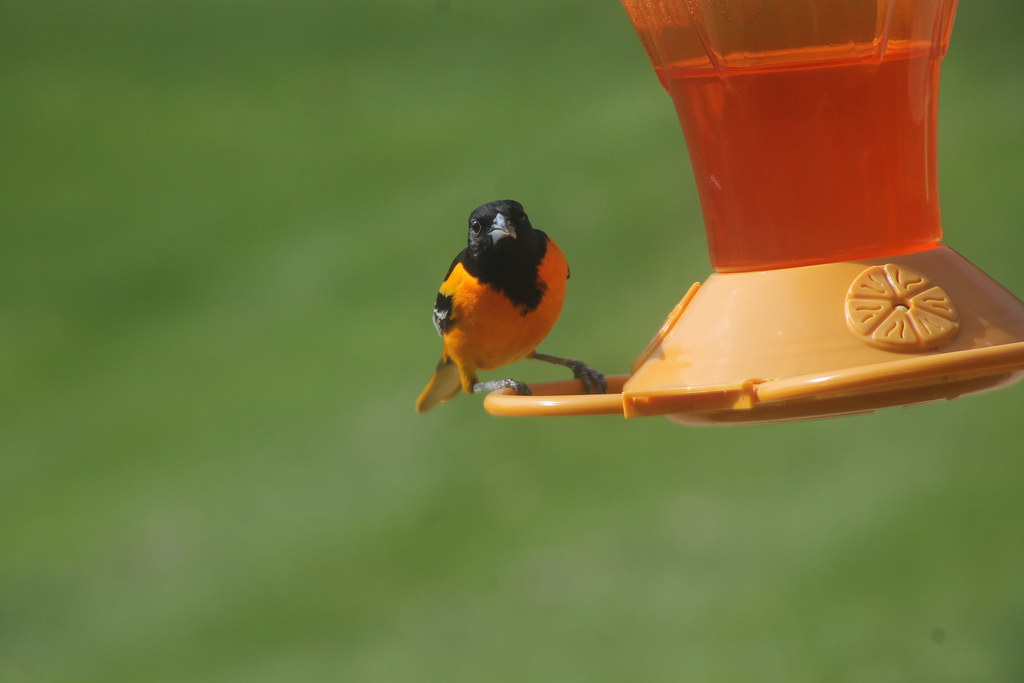
For backyard birdwatching, binoculars with 8x magnification are generally considered ideal for beginners. This magnification level provides enough detail to observe birds clearly while maintaining a wide enough field of view to easily locate and track moving birds. Higher magnifications like 10x can bring birds closer but may make it more challenging to find and follow birds, especially for newcomers who are still developing their spotting skills. Additionally, higher magnification amplifies hand movements, potentially resulting in shaky images unless you have very steady hands or use a tripod. The moderate 8x power strikes an excellent balance between image detail and usability for most backyard settings.
The Importance of Field of View
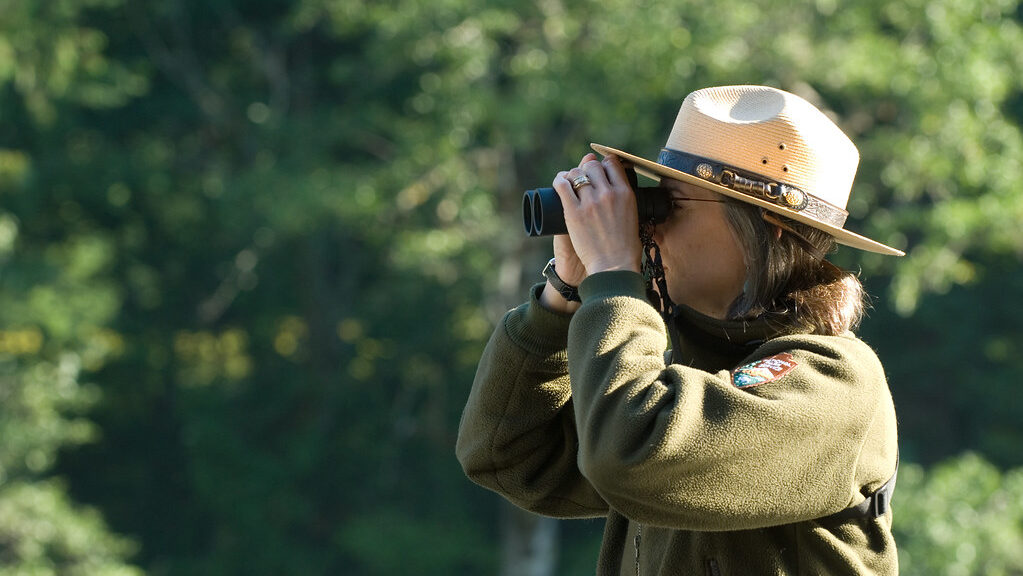
Field of view refers to the width of area visible through your binoculars at a specific distance, typically measured in feet at 1,000 yards. A wider field of view makes it significantly easier to locate birds, especially fast-moving species or those flitting through dense foliage. Beginners benefit greatly from a wider field of view (approximately 330-360 feet at 1,000 yards) as it reduces frustration when trying to spot birds. This specification is directly affected by magnification – higher magnification generally decreases field of view. For backyard birding where birds may be relatively close and moving quickly between branches or feeders, prioritizing a generous field of view will enhance your observation experience and increase bird identification success.
Close Focus Distance Considerations

Close focus distance is an often overlooked yet crucial specification for backyard birdwatchers. This measurement indicates how near you can be to a subject while still achieving clear focus. Backyard settings frequently present opportunities to observe birds at close range, such as at feeders or birdbaths just a few yards away. Binoculars with good close focus capabilities (under 10 feet) allow you to observe detail on nearby birds without having to constantly reposition yourself. This feature becomes particularly valuable when watching hummingbirds or small songbirds that might visit feeders within close proximity to viewing windows or porches. Modern binoculars specifically designed for birding typically offer excellent close focus performance compared to general-purpose or older models.
Weight and Comfort Factors
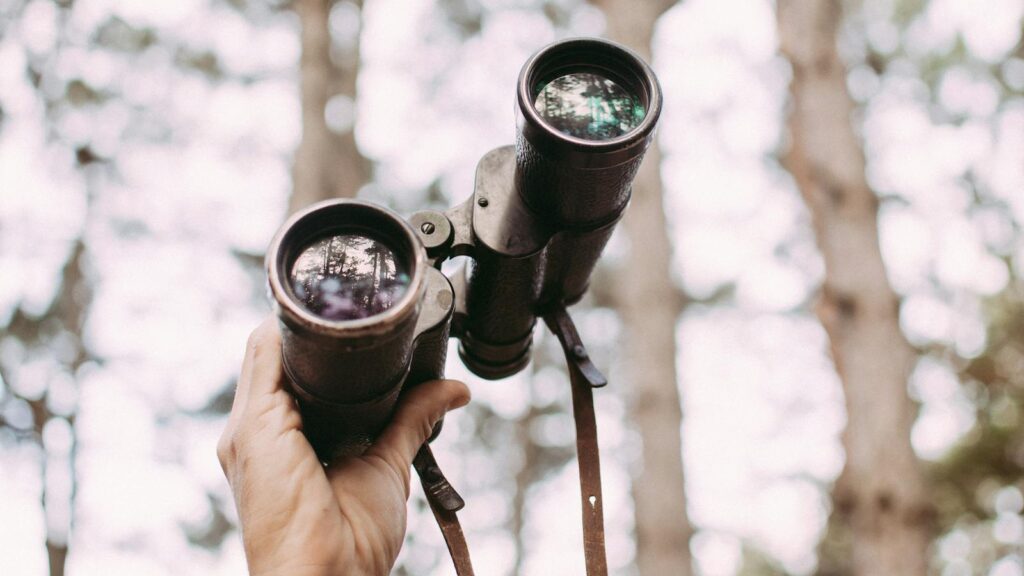
The physical characteristics of binoculars significantly impact the enjoyment of your birdwatching sessions. Even in backyard settings where you might think weight wouldn’t matter, holding binoculars to your eyes for extended periods can cause fatigue with heavier models. For beginners, binoculars weighing under 30 ounces (approximately 850 grams) offer a good balance between durability and comfort. Additionally, consider the ergonomics – how the binoculars fit in your hands and against your face. Features like rubberized coatings provide better grip and comfort, while adjustable eyecups accommodate those who wear glasses. Many manufacturers now offer compact models specifically designed with comfort in mind, making longer observation sessions more enjoyable without neck or arm strain.
Weather Resistance Features

Backyard birding often means dealing with varying weather conditions, from morning dew to unexpected rain showers. Weather-resistant binoculars provide peace of mind and protect your investment when conditions turn unfavorable. Look for models advertised as “waterproof” rather than merely “water-resistant” for better protection. True waterproof binoculars are typically nitrogen or argon-purged, which prevents internal fogging when moving between temperature extremes (like from an air-conditioned house to a humid backyard). This feature proves particularly valuable during spring migration when morning fog or light rain might coincide with peak bird activity. While weather-resistant models might cost slightly more, the extended durability and reliability make them a wise investment for even casual backyard birders.
Optical Quality and Lens Coatings
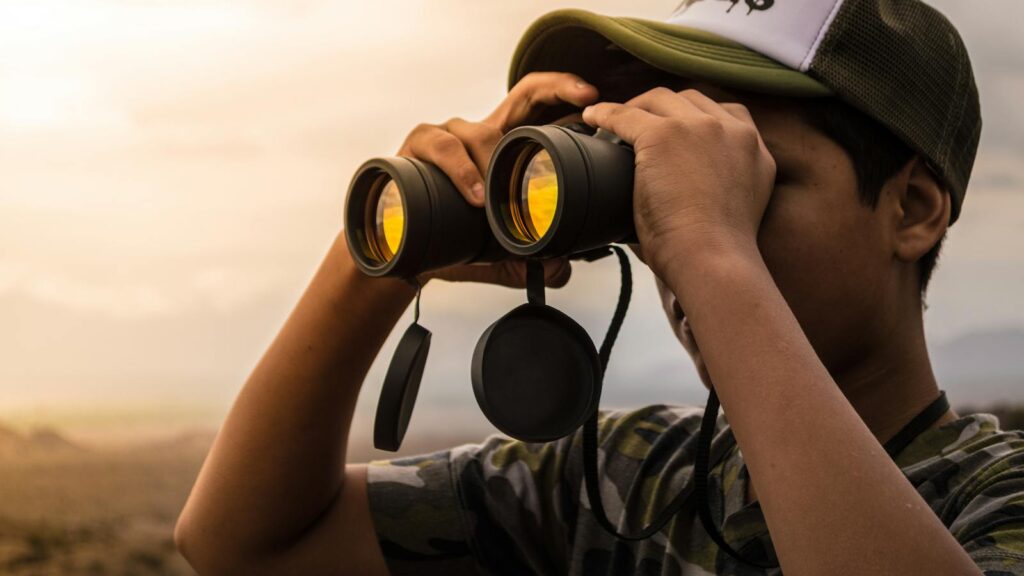
The optical quality of binoculars directly affects image clarity, color accuracy, and the overall viewing experience. Quality coatings on lenses significantly improve light transmission and reduce unwanted reflections that diminish image brightness. For beginners, look for binoculars described as having “fully multi-coated” lenses, which means all air-to-glass surfaces have multiple layers of anti-reflective coatings. Higher-end models might feature specialized coatings that enhance specific characteristics like color fidelity or contrast. Better optical quality also minimizes chromatic aberration (color fringing around high-contrast edges), allowing you to observe subtle field marks and plumage details essential for bird identification. While premium optics command higher prices, mid-range binoculars today offer remarkably good performance that will satisfy most beginning backyard birders.
Budget-Friendly Recommendations Under $150
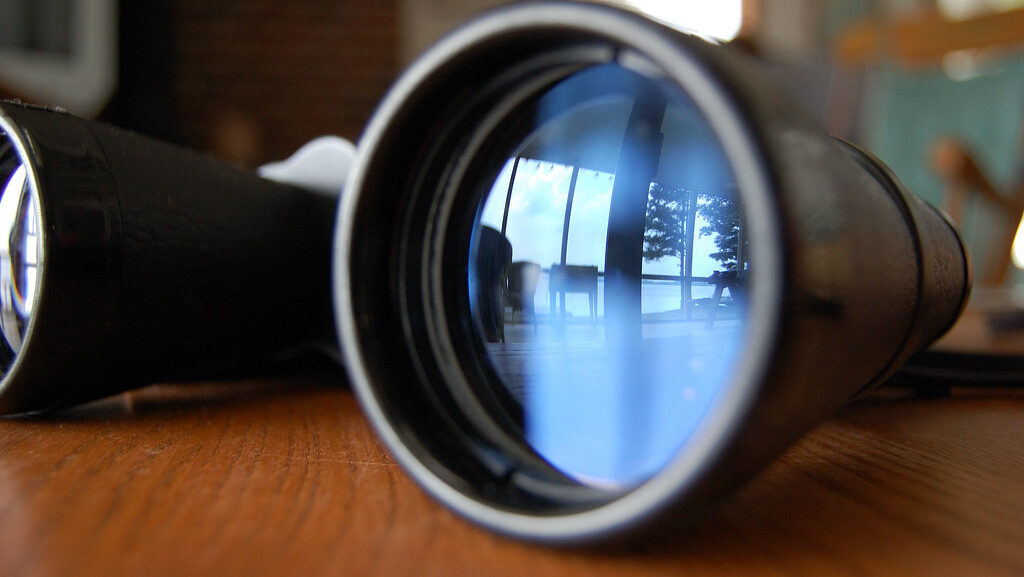
Quality birding binoculars don’t necessarily require a substantial investment, especially for backyard observation. Several reputable manufacturers offer excellent entry-level options under $150 that provide satisfying performance for beginners. The Celestron Nature DX 8×42 stands out in this category, offering surprisingly good optical clarity, waterproofing, and comfortable handling at an affordable price point. The Nikon Prostaff 3S 8×42 presents another solid option with Nikon’s reliable optical quality in a lightweight package. Vortex Crossfire 8×42 binoculars also merit consideration, backed by the company’s impressive lifetime warranty that covers damage even beyond manufacturing defects. These budget-friendly models demonstrate that beginning birders can access satisfying viewing experiences without stretching their finances, making the hobby more accessible to everyone.
Mid-Range Options ($150-$350)
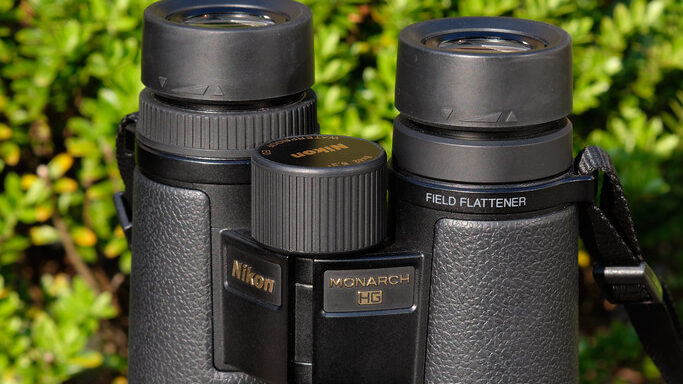
The mid-range segment offers noticeably improved optical performance and durability over budget models, representing an excellent value for enthusiastic beginners. In this price bracket, the Vortex Diamondback HD 8×42 provides exceptional clarity and brightness with HD glass that enhances color fidelity. The Hawke Endurance ED 8×42 incorporates extra-low dispersion glass to reduce color fringing around high-contrast subjects like cardinals against green foliage. Nikon’s Monarch 5 8×42 binoculars deliver outstanding low-light performance and comfortable eye relief for extended viewing sessions or eyeglass wearers. These mid-range options typically feature more sophisticated lens coatings, improved weatherproofing, and better build quality that will maintain performance for many years of regular use. For those who can extend their budget beyond entry-level, these models offer a noticeable step up in viewing quality that enhances bird identification.
Premium Binoculars Worth the Investment

For beginners who don’t mind investing in equipment they won’t outgrow, premium binoculars offer exceptional performance that can transform the backyard birding experience. The Zeiss Terra ED 8×42, while at the lower end of the premium segment, delivers the legendary Zeiss optical clarity with outstanding edge-to-edge sharpness. Vortex’s Viper HD 8×42 offers remarkable brightness even in challenging light conditions with an extremely wide field of view that makes locating birds effortless. For those ready to make a significant investment, the Swarovski EL 8.5×42 represents the pinnacle of optical excellence with unmatched image brightness, clarity, and color accuracy that makes even drab sparrows appear in stunning detail. While these premium options require a larger initial investment, their superior performance and exceptional build quality typically provide decades of use, making them lifetime purchases for many enthusiasts.
Compact Binoculars for Convenience

Compact binoculars offer distinct advantages for casual backyard birding, particularly when convenience is prioritized. Models with specifications like 8×32 or 8×28 provide sufficient magnification while being significantly lighter and more portable than their full-sized counterparts. The Olympus 8×25 WP II exemplifies this category with weather-resistant construction in a package small enough to keep permanently by a kitchen window or porch door for spontaneous viewing. The Maven C.2 8×28 offers remarkable optical performance in a compact format that won’t feel burdensome during extended observation periods. While compact binoculars generally gather less light than full-sized models with larger objective lenses, this limitation rarely impacts backyard daytime viewing. For many beginning birders, especially those with smaller hands or who prioritize convenience, compact binoculars provide an excellent balance of performance and practicality that encourages regular use.
Essential Accessories for Beginners
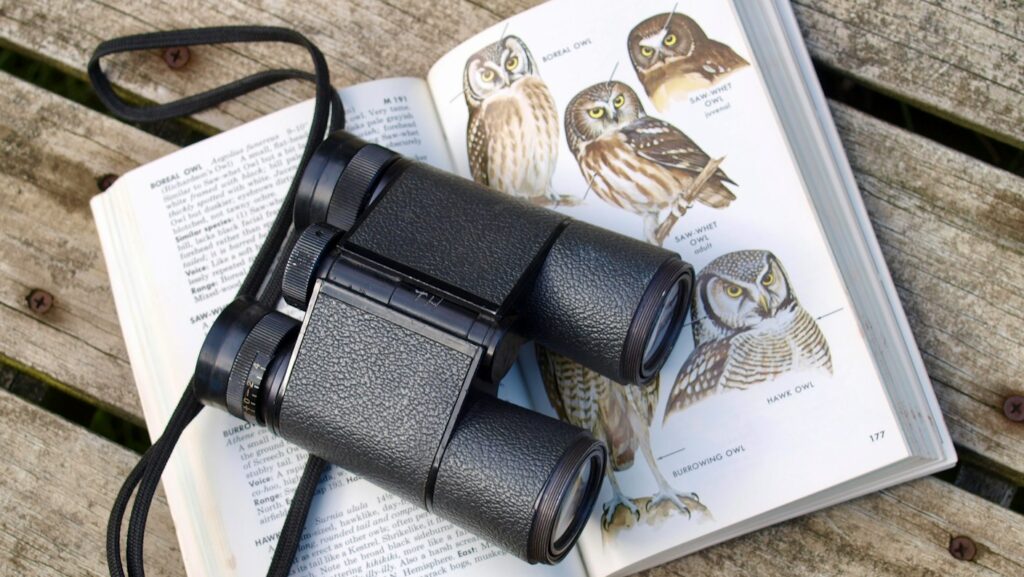
Several accessories enhance the backyard birdwatching experience beyond just the binoculars themselves. A comfortable neck strap distributes weight evenly and keeps binoculars readily accessible; upgraded padded straps from manufacturers like BlackRapid or Neotech provide significantly more comfort than basic included straps. Lens cleaning supplies including microfiber cloths and lens-safe cleaning solution help maintain optical clarity without risking damage to precious lens coatings. Rain guards (eyepiece covers) protect lenses during light precipitation while allowing quick access when birds appear. For those using heavier binoculars or dealing with hand tremors, a window mount or compact tripod can dramatically improve image stability. Additionally, a water-resistant binocular case provides protection during storage and transportation, extending the lifespan of your optical investment regardless of which model you choose.
Tips for Testing Before Purchasing
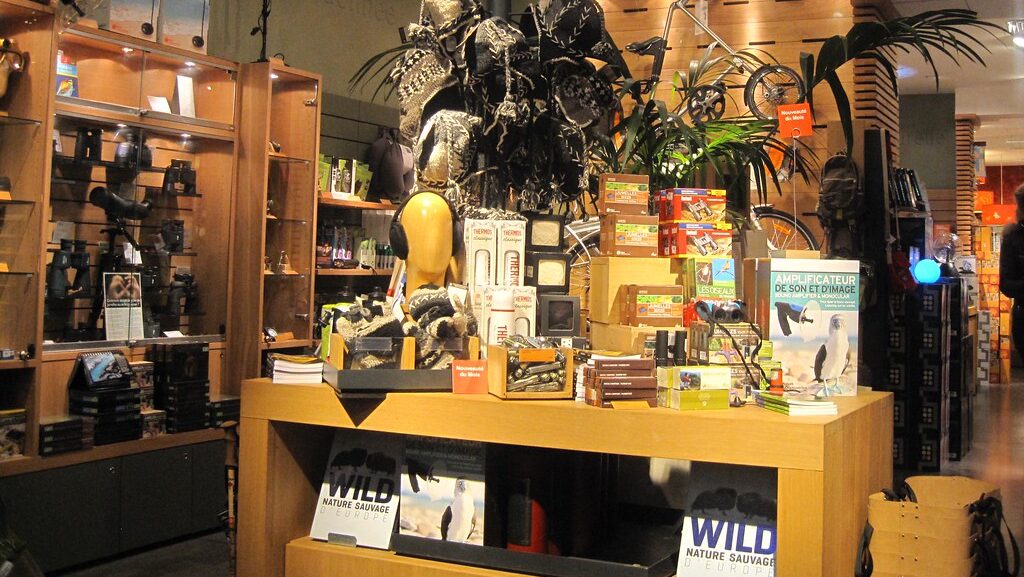
Whenever possible, test binoculars before purchasing to ensure they meet your specific needs and preferences. Visit specialty nature or camera stores that carry multiple models, allowing direct comparison under similar conditions. When testing, check for comfortable eye relief (especially important for eyeglass wearers) and ensure the interpupillary distance adjustment suits your face. Evaluate the focus mechanism for smoothness and intuitiveness – it should adjust easily without requiring excessive force. Test image clarity both at the center and edges of the field of view, looking for distortion or blurring at the periphery. If in-person testing isn’t possible, choose retailers with generous return policies that allow you to try binoculars in your own backyard environment. Many dedicated birding retailers offer home trial programs specifically designed to help beginners make confident choices without pressure.
Caring for Your Binoculars
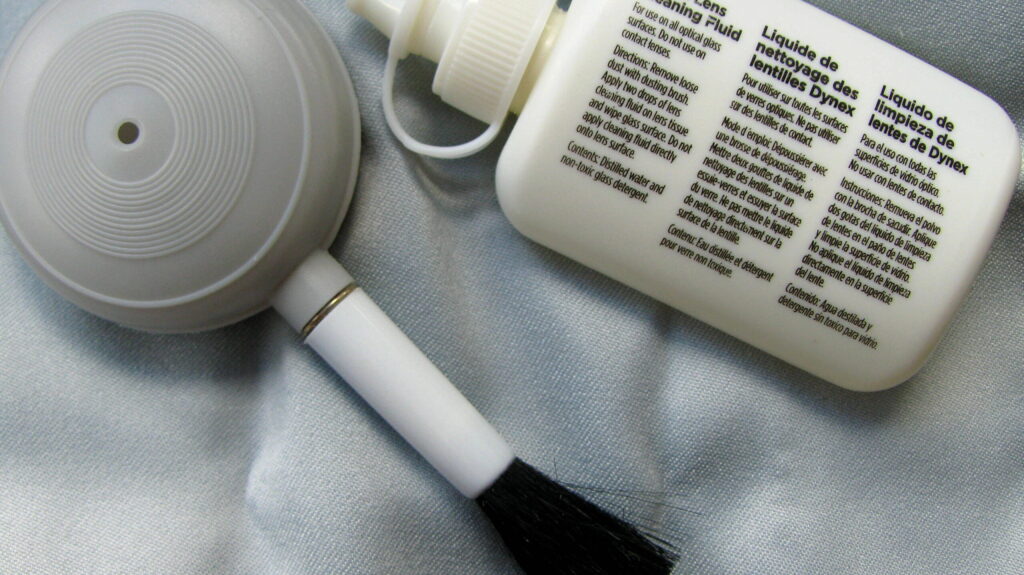
Proper maintenance extends the life of your binoculars and ensures optimal viewing experiences for years to come. Always use lens caps when not actively using your binoculars to prevent dust accumulation and potential scratches. Clean lenses gently and only when necessary, using proper lens cleaning solution and microfiber cloths rather than clothing or paper products that might scratch coatings. Store binoculars in a dry environment, ideally in their case with desiccant packets if you live in humid regions. Avoid leaving binoculars in extreme temperatures, such as in a hot car during summer, as this can damage seals and coatings. For waterproof binoculars, consider having them professionally serviced every few years to maintain weatherproof seals and proper alignment, especially if you notice any changes in performance or if they’ve experienced significant impacts.
Conclusion
Selecting your first pair of binoculars for backyard birdwatching doesn’t need to be overwhelming. By understanding the key specifications like magnification, field of view, and close focus distance, you can make an informed choice that suits both your observational needs and budget. Whether you opt for an affordable entry-level model or invest in premium optics, the right binoculars will transform your backyard bird watching experience from casual observation to immersive nature connection. Remember that the best binoculars are ultimately the ones you’ll use regularly, so prioritize comfort and usability alongside optical performance. With proper care, your chosen binoculars will provide years of enjoyment as you discover the fascinating world of birds right outside your window.