

Bird watching becomes even more rewarding when you can identify not just species, but age groups within those species. Distinguishing juvenile birds from adults at your backyard feeder opens up a new dimension of understanding bird behavior, population dynamics, and life cycles. As young birds develop, they undergo fascinating transformations in appearance and behavior that provide clues to their age. This article will guide you through the various ways to differentiate between juvenile and adult birds visiting your feeders, enhancing your birdwatching experience and connecting you more deeply with the natural world outside your window.
Understanding the Importance of Age Identification
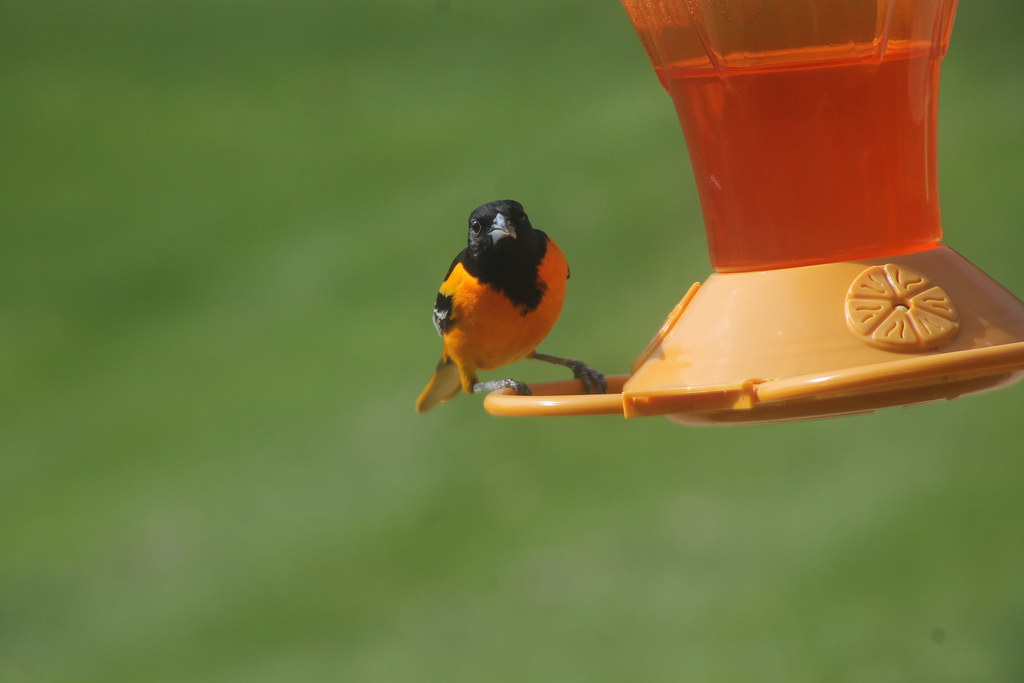
Being able to identify the age of birds at your feeder serves multiple purposes beyond mere curiosity. It helps you track the breeding success of local bird populations and provides insights into their seasonal cycles. For conservation-minded individuals, noticing a healthy ratio of juveniles to adults can indicate successful breeding seasons in your area. Additionally, understanding which birds are juveniles can explain otherwise puzzling behaviors, such as awkward feeding techniques or unusual social interactions. Many birdwatchers find that age identification adds a rewarding layer of complexity to their hobby, creating a more intimate connection with the avian visitors to their yards.
Plumage Differences: The Most Obvious Clue
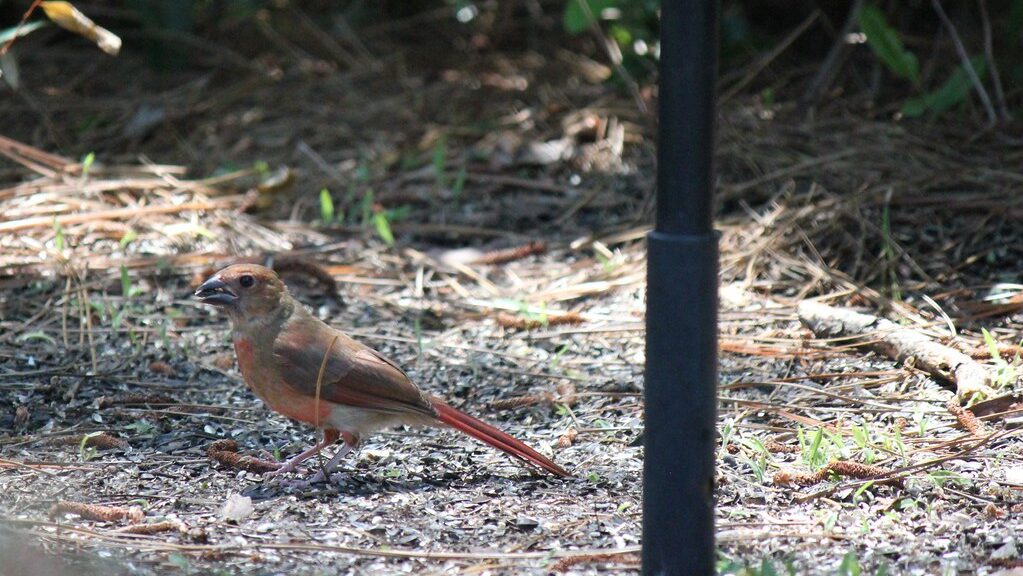
The most noticeable difference between juvenile and adult birds is often their plumage. Juvenile birds frequently display duller, streakier, or more mottled feathers compared to the crisp, vibrant colors of adults. This difference serves an evolutionary purpose – younger birds benefit from camouflage while they’re still developing survival skills. For example, juvenile Northern Cardinals lack the brilliant red of adult males, instead showing a muted brown color with hints of red in the wings and tail. Young American Robins typically have spotted breasts rather than the rich rusty-orange of adults. These plumage distinctions can persist for months, giving you ample opportunity to spot the differences as birds visit your feeders.
Bill Coloration as an Age Indicator
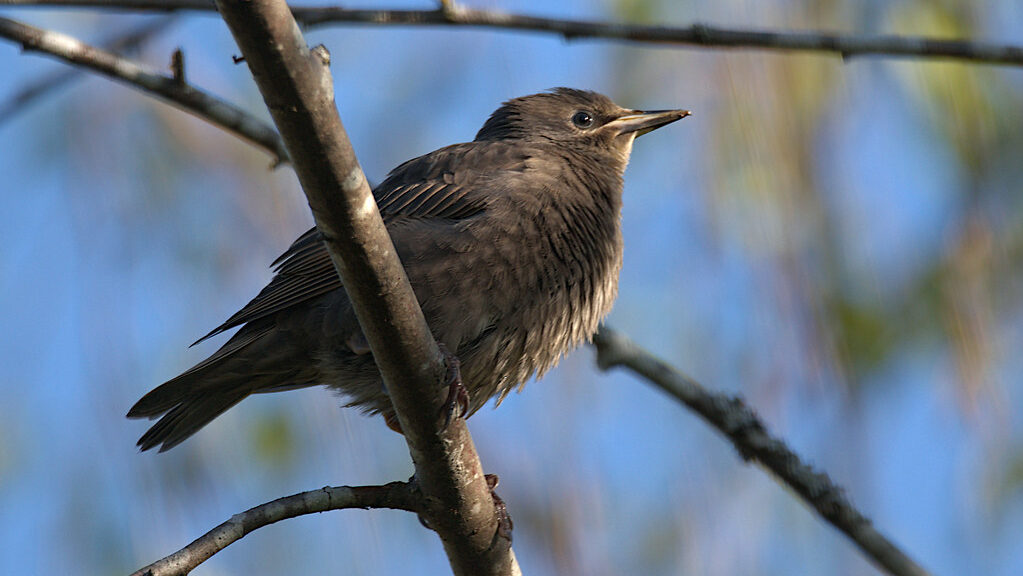
The coloration of a bird’s bill can be a reliable indicator of age in many species. Juvenile birds often have bills that are duller, differently colored, or show distinctive markings compared to adults. For instance, young European Starlings have dark bills, while adults develop bright yellow bills during breeding season. In many gull species, juveniles have black or dark-colored bills that gradually lighten as they mature. Young American Goldfinches display grayish or brownish bills, contrasting with the bright orange-pink bills of adults during breeding season. These bill differences may be subtle, but with practice and patience, they become valuable identification tools when observing birds at your feeder.
Eye Color Changes with Maturity
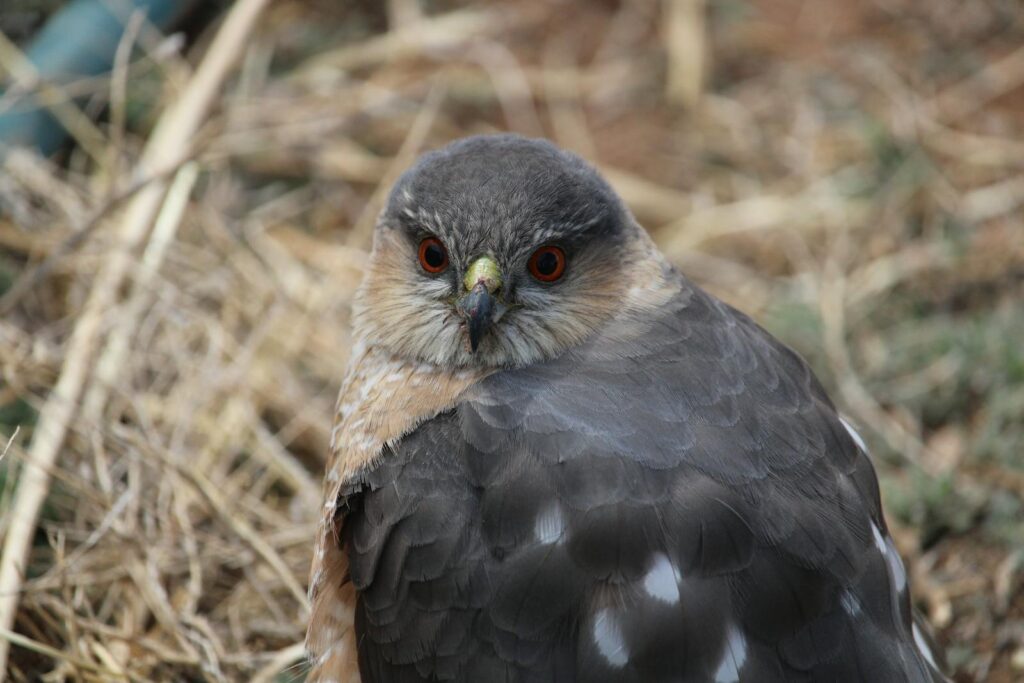
The eyes of many bird species undergo color changes as they mature, providing another useful age indicator. Juvenile birds frequently have darker eyes than their adult counterparts, who may develop striking iris colors with age. Young European Starlings, for example, have brown eyes that transform to a distinctive yellow in adulthood. In Cooper’s Hawks, juveniles have pale yellow eyes that gradually deepen to orange and eventually bright red in mature adults. Certain jay species also show eye color changes from dark juvenile eyes to lighter adult colors. When birds visit your feeder, try to observe their eyes with binoculars—the differences can be subtle but rewarding to spot.
Behavioral Differences at the Feeder
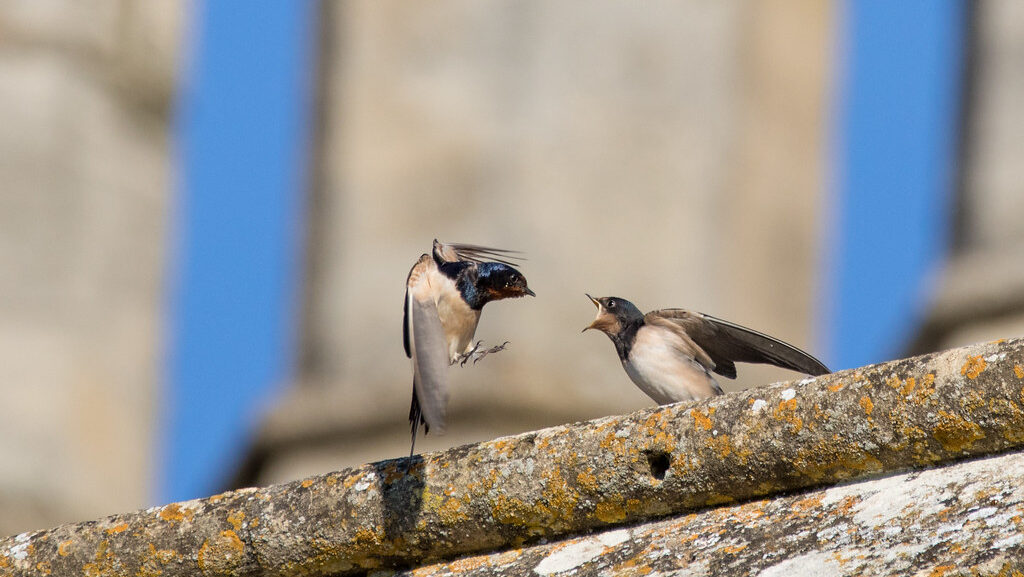
Juvenile birds often betray their age through behavior long before you notice plumage differences. Young birds typically display less coordination and efficiency when feeding compared to experienced adults. You might observe juveniles struggling to crack seeds, dropping food repeatedly, or showing awkward perching techniques. Many juvenile birds also exhibit more pronounced begging behaviors, sometimes continuing to flutter their wings and gape their mouths at adults even when capable of feeding themselves. Their flight patterns may appear less direct and confident, with more erratic movements and landings. These behavioral cues can help you identify young birds even when visual differences are minimal or when observing species with less pronounced age-related plumage variations.
Seasonal Timing for Age Identification
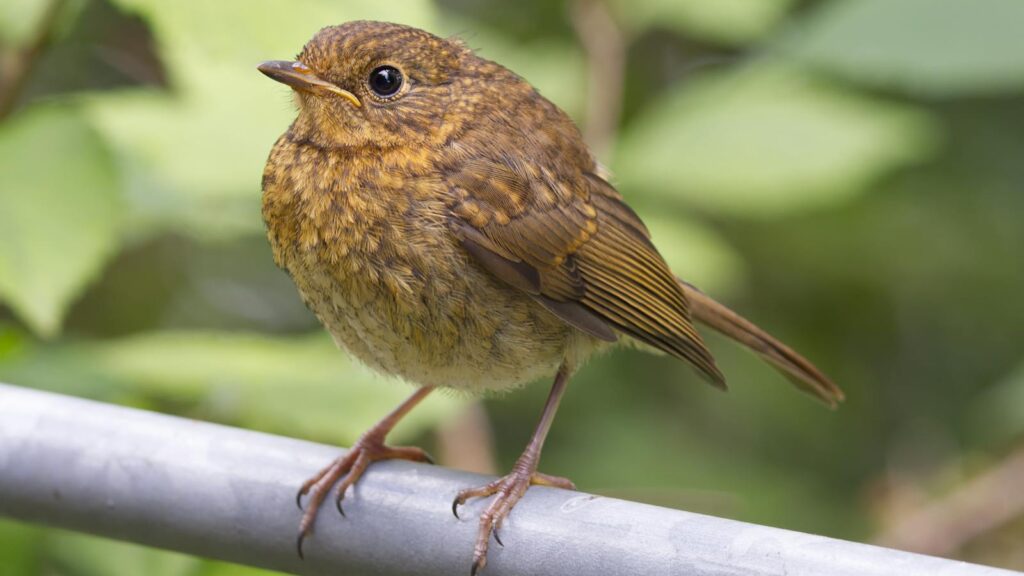
Understanding the breeding calendar of common feeder birds significantly improves your ability to identify juveniles. In North America, late spring through early fall represents the primary period when juvenile birds appear at feeders following nesting season. Species that raise multiple broods, like American Robins or Northern Cardinals, may bring juveniles to your yard throughout the summer. Migratory species might only present juveniles at feeders for brief periods before departing. By late fall, many juveniles have completed their post-juvenile molt, making identification more challenging as they begin to resemble adults. Keeping track of when different species breed in your area creates a helpful timeline for anticipating and identifying juvenile birds at your feeders.
Family Group Dynamics as an Indicator
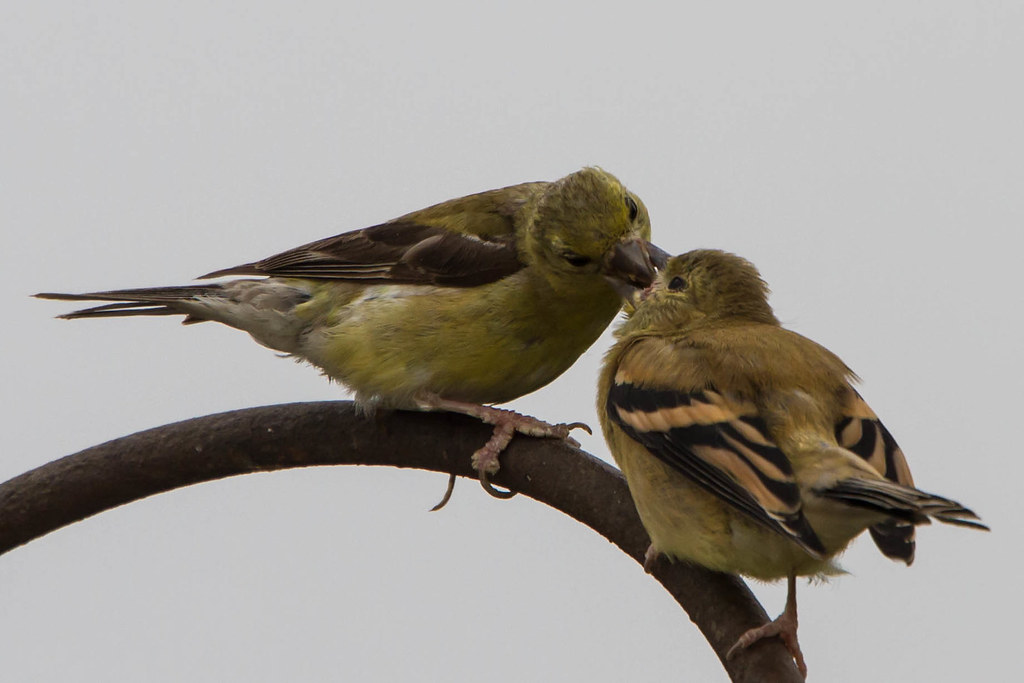
Observing family group interactions at your feeder provides excellent clues for identifying juvenile birds. Young birds often maintain close proximity to their parents well after leaving the nest, creating distinctive family groupings at feeding stations. Watch for begging behaviors, where juveniles flutter their wings while following parents or adopting a submissive posture. Parents may continue feeding their offspring directly at your feeder even when youngsters appear nearly full-grown. Some juveniles display exaggerated subordinate behaviors, such as crouching when adults approach or yielding prime feeding positions. These social dynamics can help you identify juveniles even in species where visual age differences are subtle.
Spotting Juvenile Songbirds: Common Examples
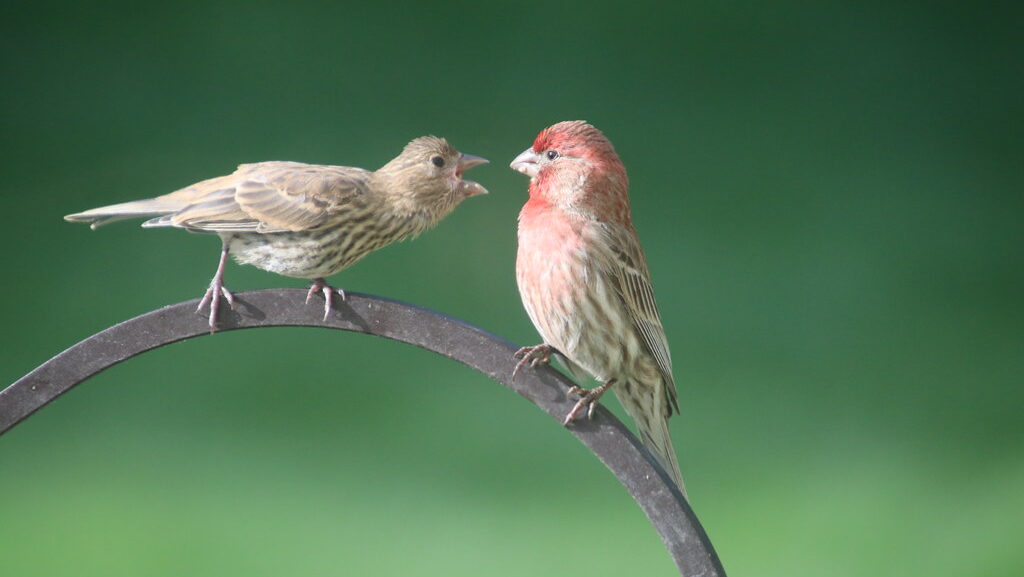
Songbirds comprise many of our most familiar feeder visitors, and their juveniles display distinctive characteristics worth noting. Young American Goldfinches lack the bright yellow of adult males and instead show a dull olive-brown coloration, often with subtle wing bars. Juvenile Northern Cardinals appear similar to adult females but with darker bills and less defined crests. Young House Finches show heavier streaking on their underparts and lack the red coloration of adult males. Juvenile chickadees and titmice typically have shorter tails, puffier plumage, and less defined facial patterns than adults. By familiarizing yourself with these common examples, you’ll develop a solid foundation for identifying juvenile songbirds across different species.
Identifying Young Woodpeckers at Your Feeder
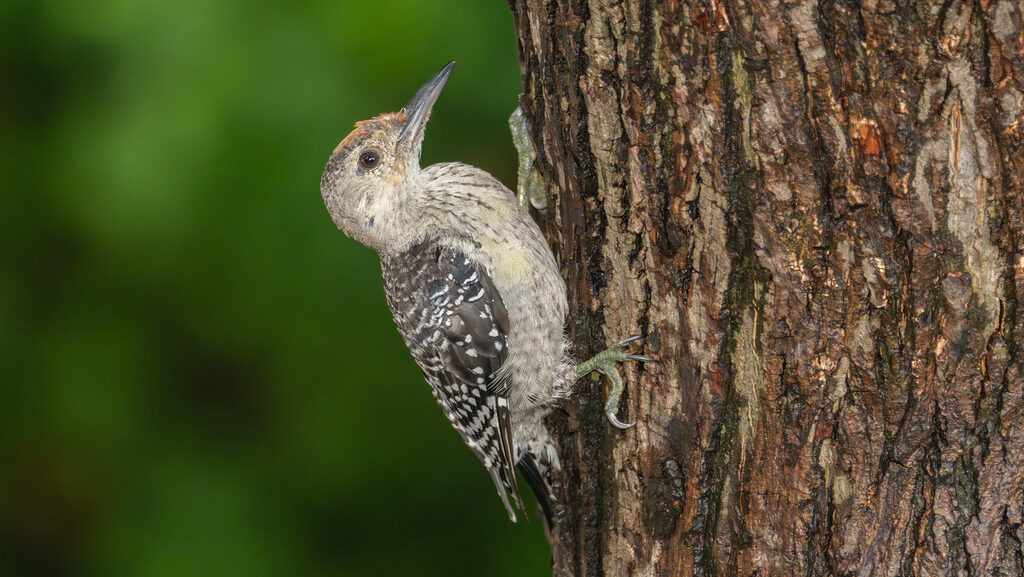
Woodpeckers present some distinctive age-related differences that make juvenile identification particularly rewarding. Young Downy and Hairy Woodpeckers often have red patches on their crowns regardless of sex, while in adults, this red marking is typically limited to males. Juvenile Northern Flickers show less defined mustache marks and spotted patterns compared to adults. In Red-bellied Woodpeckers, young birds have less extensive red on their heads, with juvenile males showing red patches only on the crown rather than the full crown-to-nape coverage of adult males. Young woodpeckers might also exhibit less confident hammering behavior at suet feeders, making multiple attempts before successfully extracting food.
Molt Patterns and Their Role in Age Determination
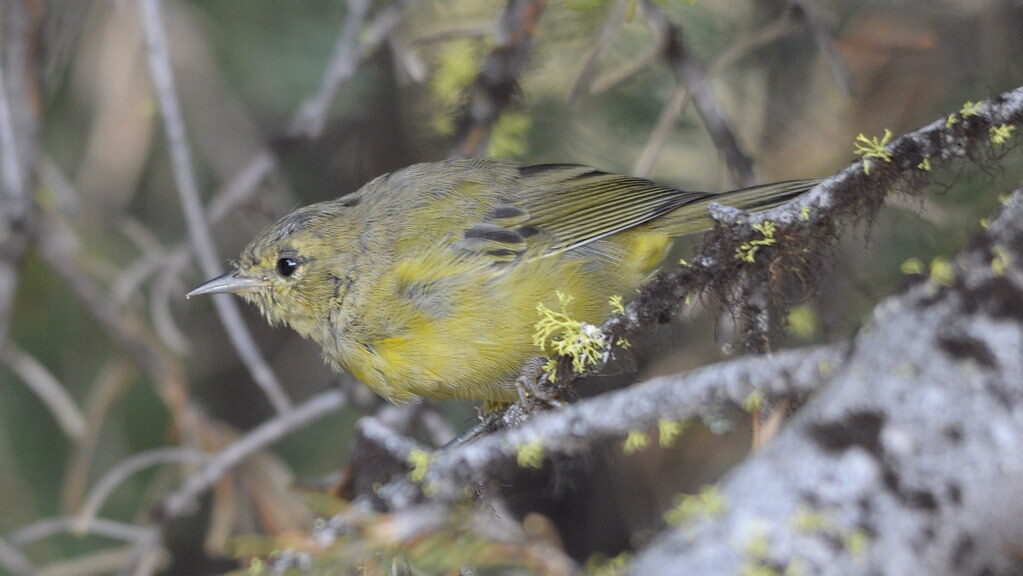
Understanding molt cycles provides advanced insight into aging birds at your feeder. After leaving the nest, juvenile birds undergo a post-juvenile or first pre-basic molt, replacing some or all of their juvenile feathers. This molt creates a recognizable transition period when birds may display a mix of juvenile and adult feathers, appearing somewhat patchy. The timing and extent of this molt varies by species—some complete it quickly while others retain juvenile wing feathers until the following year. Certain species, particularly warblers and sparrows, can show distinctive molt limits where new adult-type feathers contrast with retained juvenile feathers. Learning these molt patterns enhances your ability to age birds correctly, especially during late summer and fall when many juveniles are transitioning to adult appearance.
Using Technology to Enhance Identification Skills
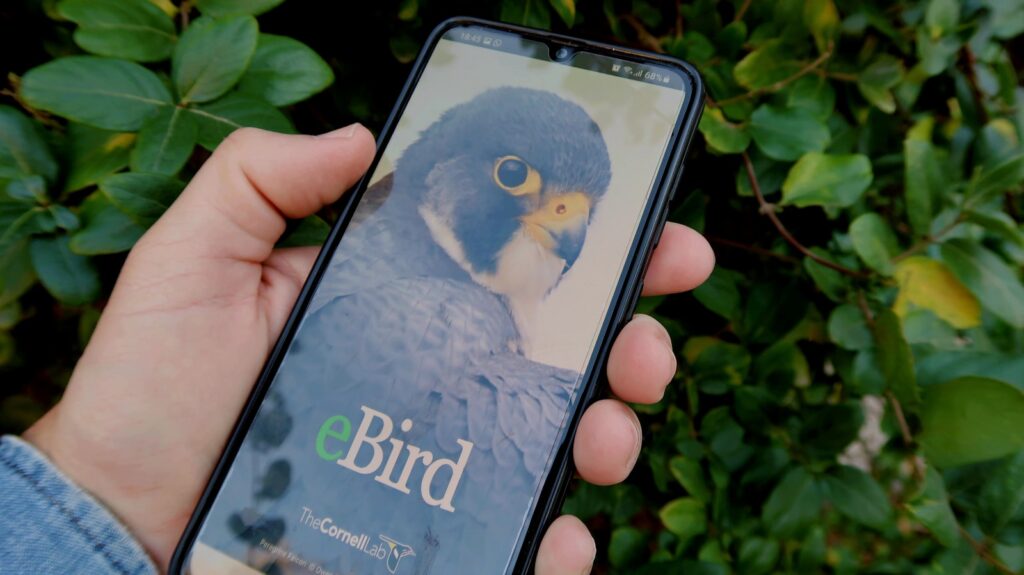
Modern technology offers valuable tools for improving your juvenile bird identification skills. Digital cameras with zoom capabilities can capture details you might miss with the naked eye, allowing closer study of subtle plumage or bill differences. Smartphone apps like Merlin Bird ID, eBird, and Audubon have begun incorporating age-specific identification features in their databases. Online resources such as the Macaulay Library at Cornell provide extensive photo collections showing birds at different life stages for comparison. Many birding forums and social media groups welcome identification questions, where experienced birders can help confirm your juvenile bird sightings. These technological resources complement field observation, accelerating your learning curve for distinguishing young birds from adults.
Creating a Juvenile-Friendly Feeding Station
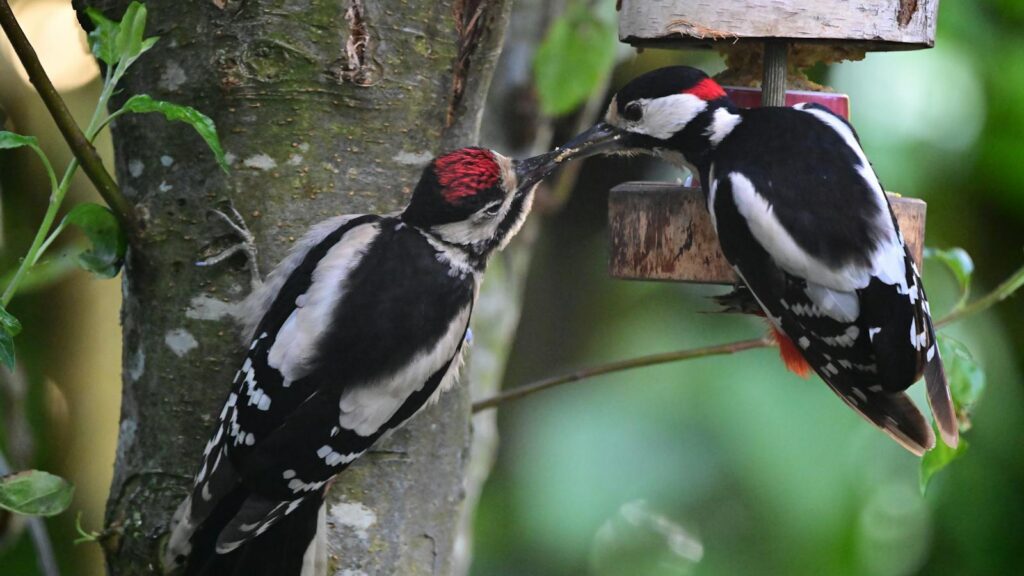
Designing your bird feeding station with juveniles in mind can increase your opportunities to observe young birds. Platform feeders provide easier access for less coordinated juvenile birds who may struggle with more complex feeder types. Offering a variety of food types, including softer options like mealworms, berries, and suet, accommodates younger birds with less developed bills. Placing perches at different heights creates more feeding opportunities for juveniles who might be displaced from prime positions by dominant adults. Providing ground feeding areas with scattered seed helps timid juveniles that haven’t mastered feeder techniques. A water source with gradual depth variations also attracts family groups teaching young birds to bathe, creating excellent observation opportunities.
Keeping a Bird Age Journal

Maintaining a dedicated journal for tracking juvenile birds enhances your identification skills over time. Record your observations of young birds, noting specific identification features that helped you determine their age. Sketching or photographing distinctive markings creates a personal reference guide tailored to birds in your area. Documenting when juveniles first appear at your feeders each year establishes valuable timing patterns for future seasons. Over time, your journal will reveal fascinating trends in breeding success, species abundance, and behavioral patterns of juvenile birds. This systematic approach transforms casual birdwatching into a more meaningful citizen science effort, potentially contributing valuable data about local bird populations.
Conclusion: The Rewards of Age Distinction
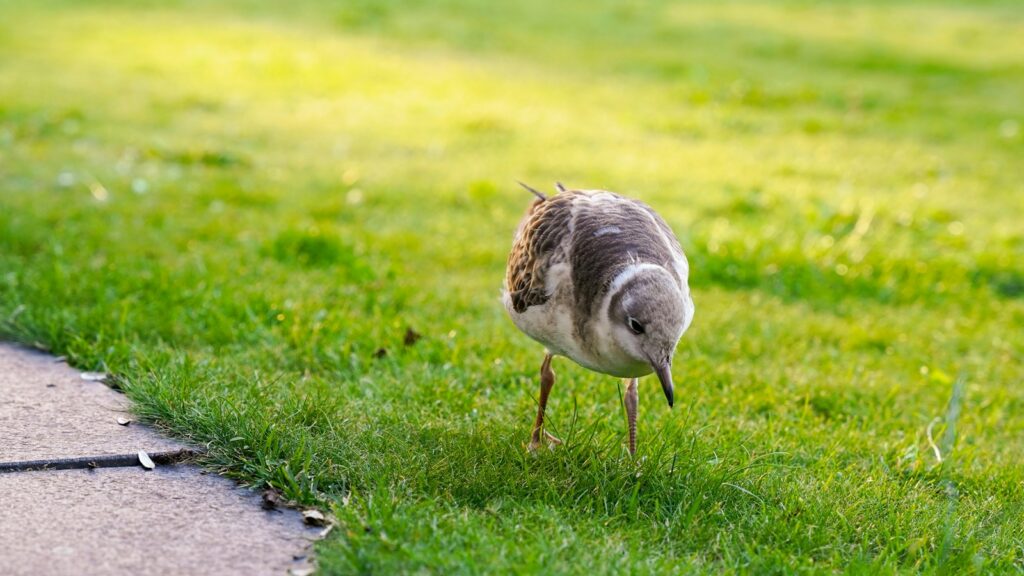
Learning to distinguish juvenile birds from adults at your feeder transforms ordinary birdwatching into a more profound connection with the natural world. Beyond the intellectual satisfaction of accurate identification, recognizing juveniles allows you to witness the complete life cycle of birds in your backyard. You’ll gain insights into breeding success, population trends, and the challenges young birds face as they mature. This awareness fosters a deeper appreciation for conservation efforts that protect breeding habitats and support successful reproduction. With practice, patience, and the guidelines outlined in this article, you’ll soon experience the unique joy of recognizing not just what species visits your feeder, but which individuals are taking their first steps toward adulthood—adding a rewarding new dimension to your birdwatching experience.