
Birds tapping, fluttering, and sometimes aggressively pecking at windows is a phenomenon many homeowners have experienced. This curious and sometimes concerning behavior has rational explanations rooted in avian biology, territoriality, and perception. While it might seem like these feathered visitors are trying to get your attention or perhaps have developed an unusual fascination with their reflections, the reality involves a complex interplay of instincts and environmental factors. Understanding why birds engage in this behavior not only satisfies our curiosity but can help us develop humane solutions to protect both our windows and our avian neighbors.
Territorial Defense: The Reflection Rival
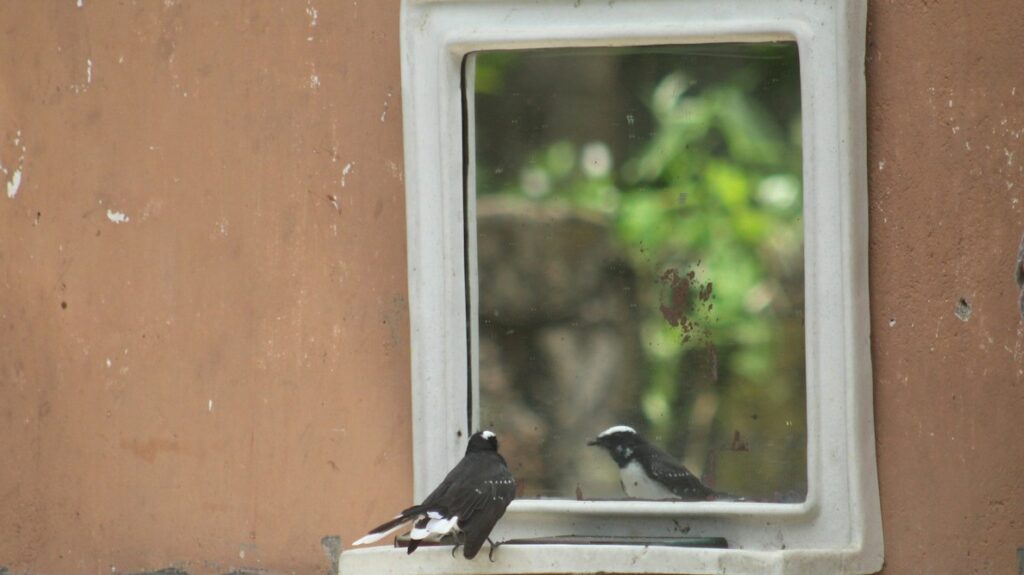
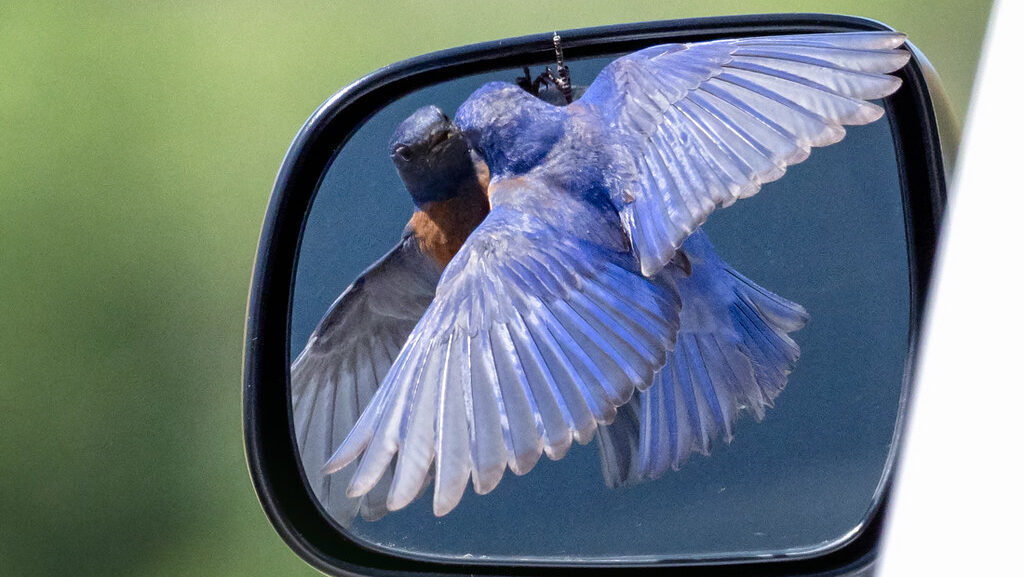
The most common reason birds peck at windows is territorial defense against what they perceive as an intruder—their own reflection. During breeding season (typically spring), male birds establish and vigorously defend territories to attract mates and secure resources. When a territorial bird spots its reflection in your window, it doesn’t recognize itself but instead sees a rival bird that refuses to back down or flee. This perceived standoff can trigger persistent attacks as the bird attempts to drive away this stubborn “intruder” that mimics its every move. Some species, like American robins, cardinals, and bluebirds, are particularly prone to this behavior as they’re naturally more territorial during nesting season.
Seasonal Patterns in Window Pecking
Window pecking behaviors follow distinct seasonal patterns that align with birds’ natural life cycles. Spring typically sees the highest frequency of window attacks as breeding season triggers heightened territorial instincts in many bird species. Summer may show a decrease as birds become occupied with raising their young, though juvenile birds might occasionally discover their reflections and react with curiosity. Fall can bring another surge in activity as migratory birds pass through territories and resident birds defend food sources before winter. Winter window pecking is less common but can occur when food resources become scarce and competition increases, particularly around homes with bird feeders that attract multiple species to a concentrated area.
Mistaken Flight Paths and Transparent Glass
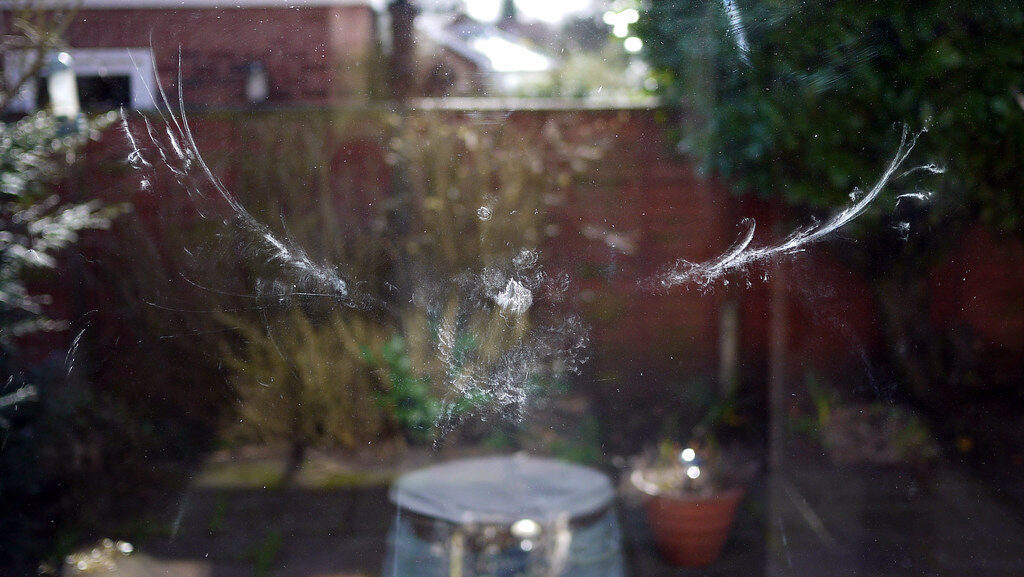
Birds sometimes collide with or peck at windows because they perceive them as clear flight paths rather than solid barriers. Unlike humans, birds cannot readily distinguish between reflective glass and open sky or vegetation, leading to confusion in their navigation. This misperception becomes particularly problematic when windows reflect nearby trees, sky, or landscape features that birds would normally fly toward. In homes with windows on opposite sides (creating a see-through effect), birds may perceive this as a corridor they can fly through to reach habitat on the other side. These navigation errors are distinct from territorial behavior and represent genuine confusion about the physical environment rather than aggressive intent.
Species Most Likely to Peck at Windows
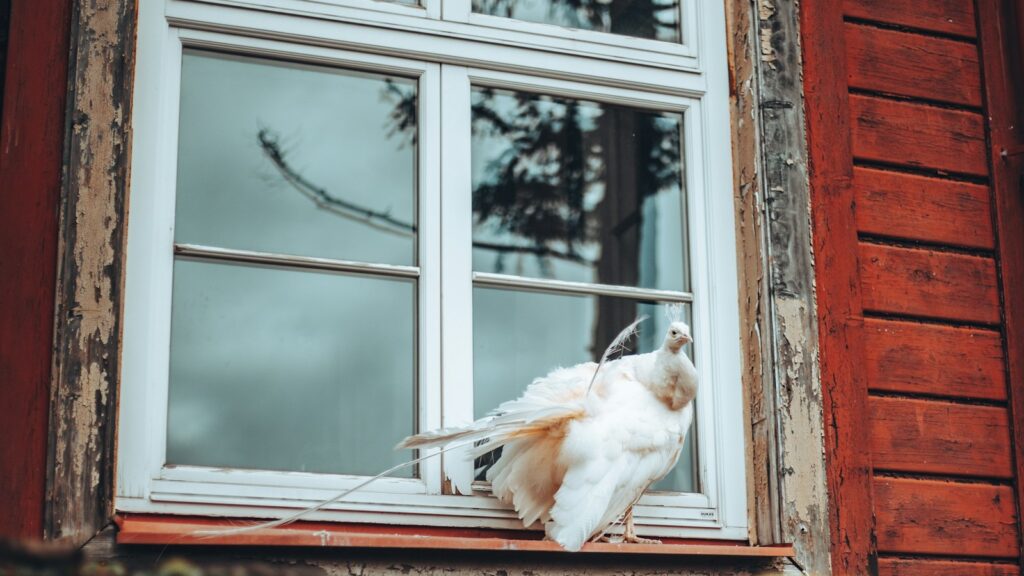
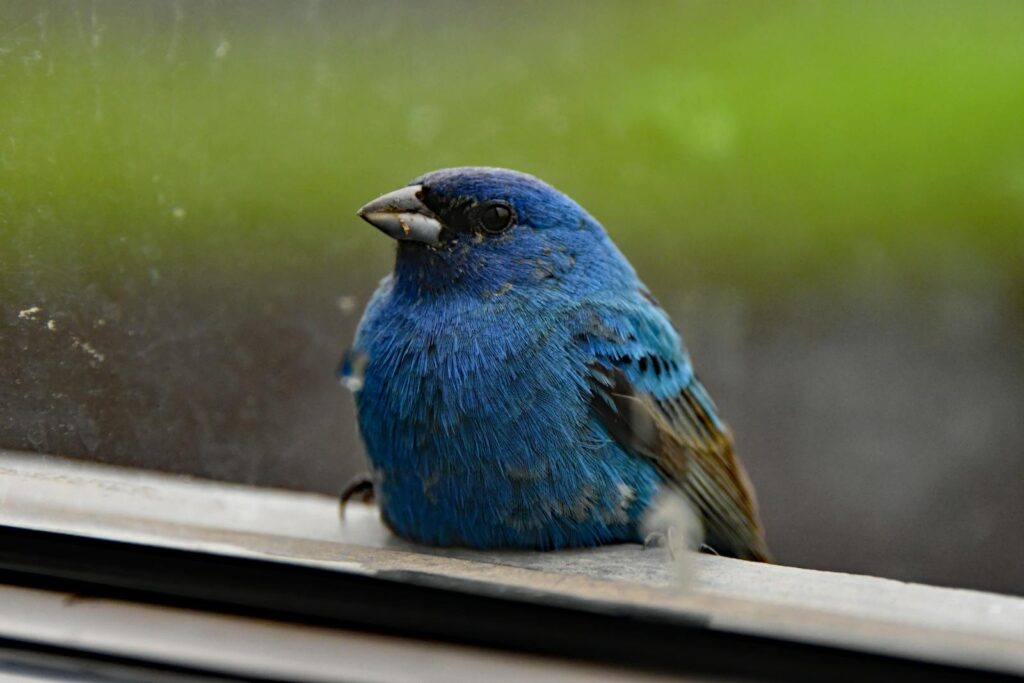
While many bird species might occasionally interact with windows, certain types are far more likely to engage in persistent pecking behavior. Northern Cardinals are among the most notorious window peckers, with bright red males frequently battling their reflections for hours. American Robins, especially during spring nesting season, commonly perceive window reflections as territorial threats. Bluebirds, with their brilliant coloration, often mistake their reflections for rival males encroaching on their territory. Wild Turkeys, though less common in suburban areas, can become fixated on window reflections and may attack with surprising force and persistence. Mockingbirds, known for their territorial nature, will defend their space against window reflections with remarkable determination and may continue this behavior for weeks.
The Role of Window Placement and Surroundings
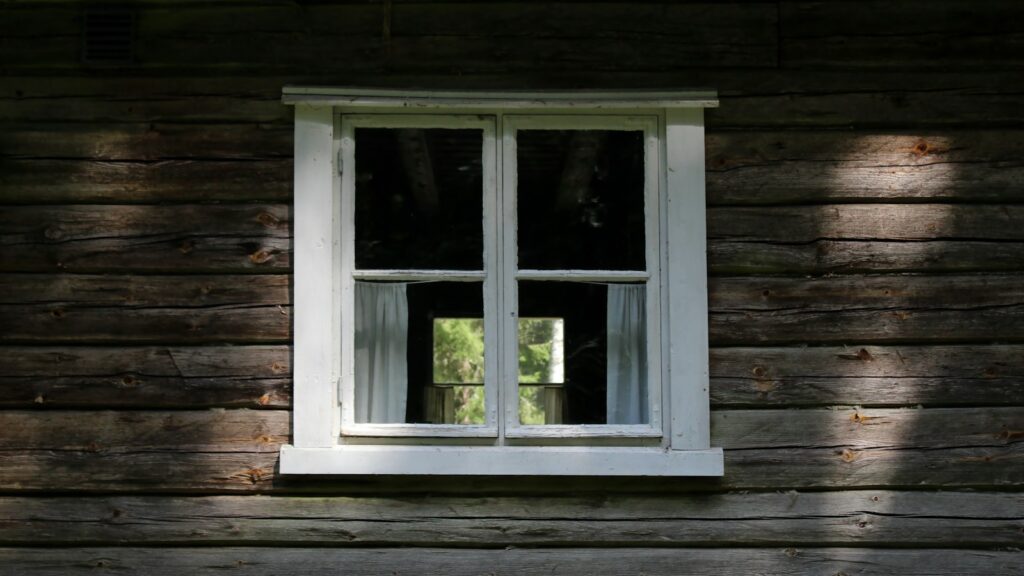
The location and surroundings of your windows significantly influence the likelihood of bird strikes and pecking behaviors. Windows that reflect nearby vegetation, bird feeders, or natural landscapes create convincing illusions that attract birds, either as perceived flight paths or territorial rivals. Corner windows or windows positioned at angles that create multiple reflections can be particularly problematic, as they produce more complex and confusing visual environments for birds. South-facing windows often receive more direct sunlight, creating clearer and more defined reflections that birds may perceive as intruders. Windows near bird feeders present a dual problem: they both attract birds to the vicinity and create reflective surfaces that those same birds might attack when defending their newfound food source.
Potential Harm to Birds from Window Pecking

Persistent window pecking can cause significant harm to birds, despite seeming like merely annoying behavior to humans. Birds may exhaust themselves through hours of continuous pecking and flying against windows, depleting crucial energy reserves needed for survival, migration, or caring for offspring. Physical injuries often occur from repeated impacts, including beak damage, feather loss, and even concussions or more serious trauma in cases of full-force collisions. The psychological stress of constantly “fighting” an undefeatable reflection adversary can disrupt normal behaviors like feeding, nesting, and courtship. In severe cases, birds may become so fixated on their window reflection that they neglect vital activities like caring for chicks or seeking proper nutrition, potentially threatening their survival.
Window Pecking versus Window Strikes
Window pecking and window strikes are related but distinct problems with different underlying causes and solutions. Window pecking typically involves deliberate, repetitive behavior where a bird intentionally confronts its reflection, often spending extended periods attacking the same window location. Window strikes, by contrast, are usually accidental collisions that occur when birds fail to perceive glass as a barrier and fly into it at full speed, potentially resulting in serious injury or death. Pecking is commonly associated with territorial behavior and occurs most frequently during breeding season, while strikes can happen year-round and increase during migration periods. The solutions for these problems differ as well: window pecking often requires disrupting the reflection, while preventing strikes focuses more on making windows visible as physical barriers to birds in flight.
Humane Solutions to Prevent Window Pecking
Several effective and bird-friendly approaches can discourage window pecking without harming your feathered visitors. Temporary window coverings like soap streaks, window paint, or removable decals can break up reflections during peak territorial seasons and can be easily removed later. External screens, netting, or bird-friendly window films provide more permanent solutions that reduce reflectivity while maintaining your view and natural light. Strategic placement of bird feeders—either within three feet of windows (too close for birds to gain injurious momentum) or more than 30 feet away (allowing birds to recognize windows as barriers)—can significantly reduce both pecking and collision risks. For persistent peckers, temporarily covering the outside of specific problem windows with cardboard, cloth, or newspaper often provides immediate relief until the territorial behavior subsides.
Commercial Products Designed to Deter Bird Pecking
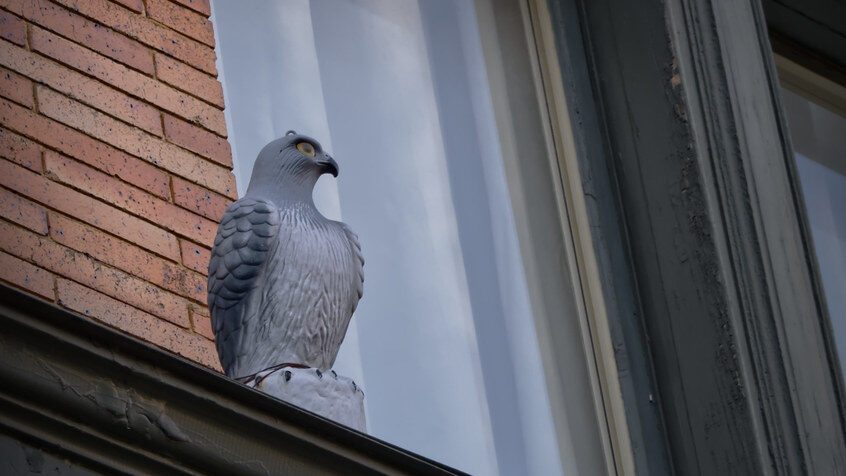
The market offers numerous products specifically designed to prevent window pecking and bird collisions. Bird-deterrent window decals, available in various shapes including predator silhouettes, UV-reflective patterns, and decorative designs, help break up reflections and make glass visible to birds. Anti-reflective window films can be applied to entire window surfaces, reducing reflection while maintaining visibility from inside. External suction-cup bird feeders attach directly to windows, creating a feeding station too close for birds to mistake reflections for rivals. Motion-activated deterrents, including streamers, spinners, and even electronic devices that emit sounds or light patterns when triggered by movement, can discourage persistent peckers through harmless startling effects. Some companies now manufacture “bird-friendly glass” with ultraviolet patterns visible to birds but nearly imperceptible to humans, offering a built-in solution for new construction or replacement windows.
DIY Solutions Using Household Items

Effective bird-deterrent solutions can be crafted from common household items without requiring specialized products. Soap bars or tempera paint can be used to create patterns directly on the outside of windows—simple stripes or dots spaced about 4 inches apart will break up reflections while remaining somewhat transparent for humans. Masking tape applied in a grid pattern on the exterior glass surface provides a quick, temporary solution during peak territorial seasons. Old CD discs hung in front of problematic windows create moving light reflections that discourage birds while adding a decorative element. Ribbon or string curtains attached to the top of window frames and allowed to move in the breeze create visual and physical barriers that birds typically avoid. Even simple household items like holiday decorations, children’s window art, or temporarily repositioned indoor furniture can disrupt the reflective properties enough to discourage persistent peckers.
Understanding Bird Behavior After Implementing Solutions
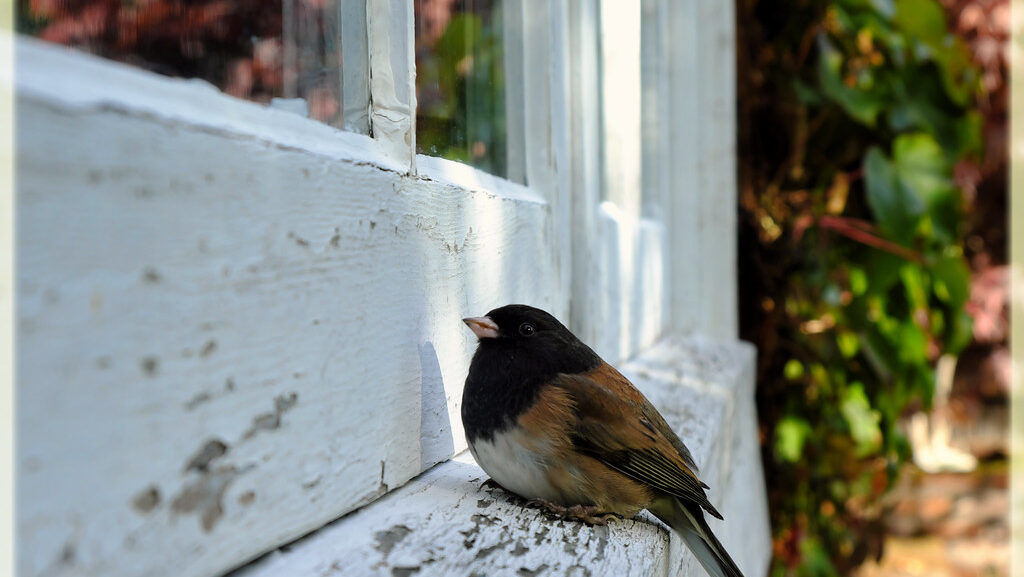
After implementing deterrents, birds typically display observable changes in behavior that indicate the effectiveness of your chosen solution. Initially, many birds will continue checking the window site for several days, though with decreasing frequency and intensity as they fail to locate their perceived rival. Some particularly territorial individuals might test alternative angles or window sections before eventually abandoning their efforts. Birds that have established a strong territorial association with a specific window may return to check the site periodically throughout the breeding season, particularly after rain or wind events that might have removed deterrents. If a bird appears to ignore your deterrents entirely, this suggests you may need a different approach—perhaps covering a larger window area or using more contrasting materials to break up reflections more effectively.
When to Seek Professional Help
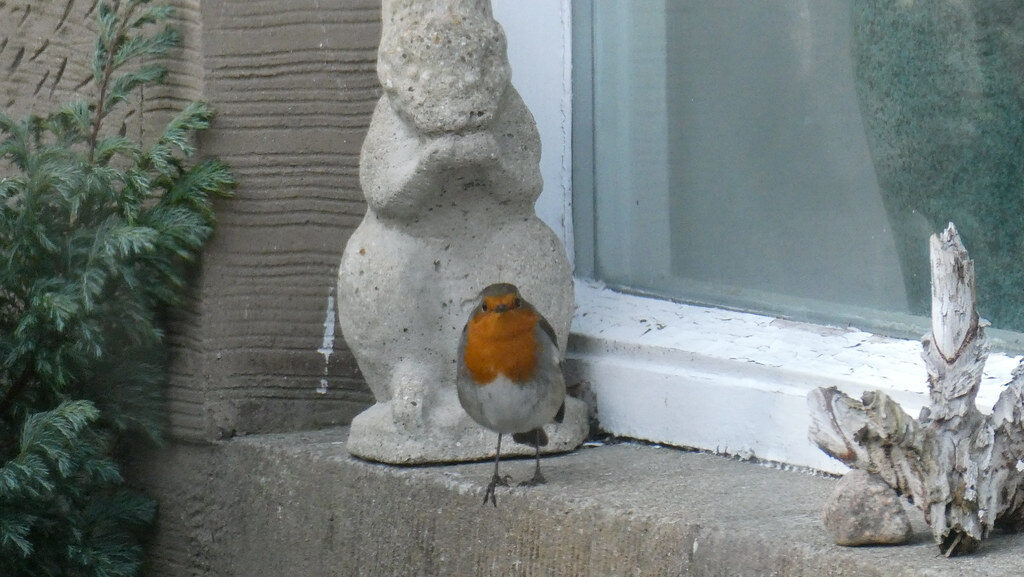
While most bird window pecking can be managed with home solutions, certain situations warrant professional intervention. If birds cause significant property damage despite multiple deterrent attempts, wildlife management professionals can assess the specific situation and recommend specialized solutions. Cases involving protected species require particular care, as disturbing or harming these birds may violate wildlife protection laws—experts can provide guidance on legally appropriate interventions. When birds show unusually persistent behavior that continues for weeks despite deterrents, this may indicate underlying issues requiring expertise from ornithologists or wildlife behaviorists. In situations where bird pecking coincides with nesting directly on or very near your home, professionals can safely relocate nests when legal and appropriate, or install preventative measures for future seasons while ensuring compliance with migratory bird protection laws.
Conclusion
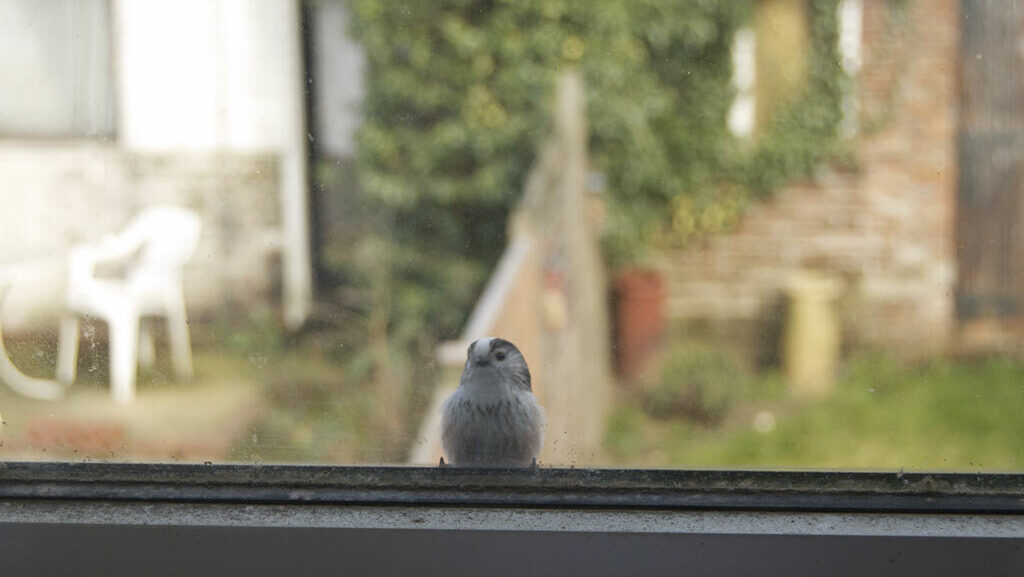
Birds pecking at windows represents a fascinating intersection of natural behavior and human habitat. While these encounters can be frustrating for homeowners, they offer valuable glimpses into avian territorial instincts, perception, and adaptation to our built environment. By understanding the motivations behind window pecking—whether territorial defense against reflections or navigation confusion—we can implement thoughtful, humane solutions that protect both birds and our windows. These small accommodations not only resolve immediate nuisance issues but contribute to broader bird conservation efforts by making our human spaces safer for the diverse wildlife with whom we share our communities. With simple modifications to our windows, we can continue enjoying bird watching while ensuring these remarkable creatures remain safe in their increasingly human-influenced habitats.