

Discovering that birds have chosen your yard as their nesting site can be a delightful experience. These feathered architects transform simple materials into intricate homes where they raise their young, offering you a front-row seat to one of nature’s most fascinating processes. However, bird nests aren’t always obvious—many species deliberately conceal their nesting spots to protect their offspring from predators. Whether you’re a dedicated birdwatcher or simply curious about the wildlife sharing your outdoor space, learning to recognize the signs of nesting activity can enhance your connection with nature and help you become a better steward of your backyard ecosystem.
Watch for Increased Bird Activity
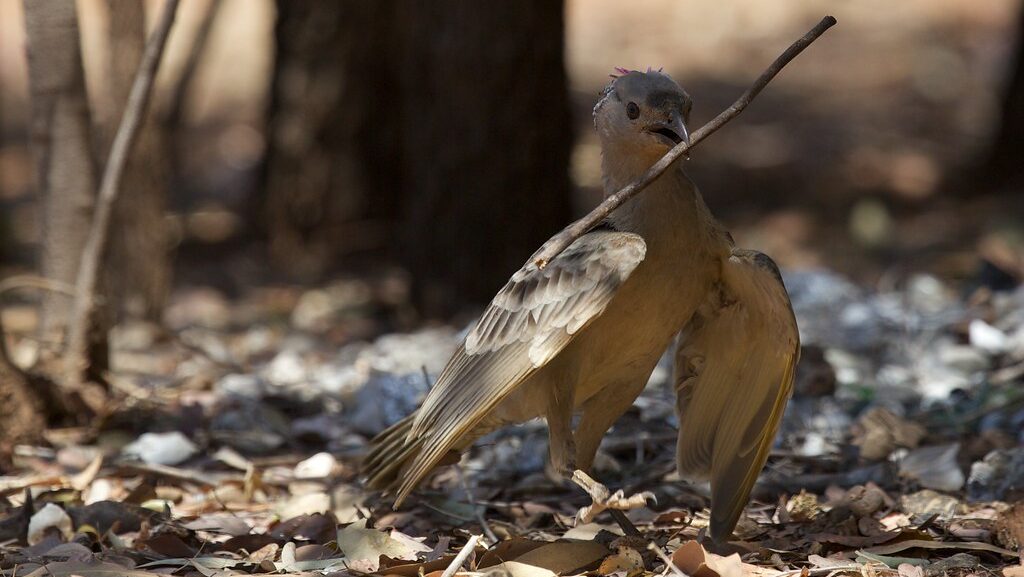
One of the earliest signs that birds may be nesting in your yard is a noticeable increase in bird traffic in a specific area. You might observe birds repeatedly visiting the same tree, shrub, or other location, often carrying nesting materials in their beaks. This repeated behavior, especially in the early morning or evening hours, strongly suggests nest-building activity is underway. Pay particular attention if you notice a bird visiting the same spot multiple times within a short period, as this pattern differs from normal foraging behavior. Some species may make dozens of trips per hour during the peak of nest construction, transforming your yard into a busy avian construction site.
Identify Nesting Materials Being Collected
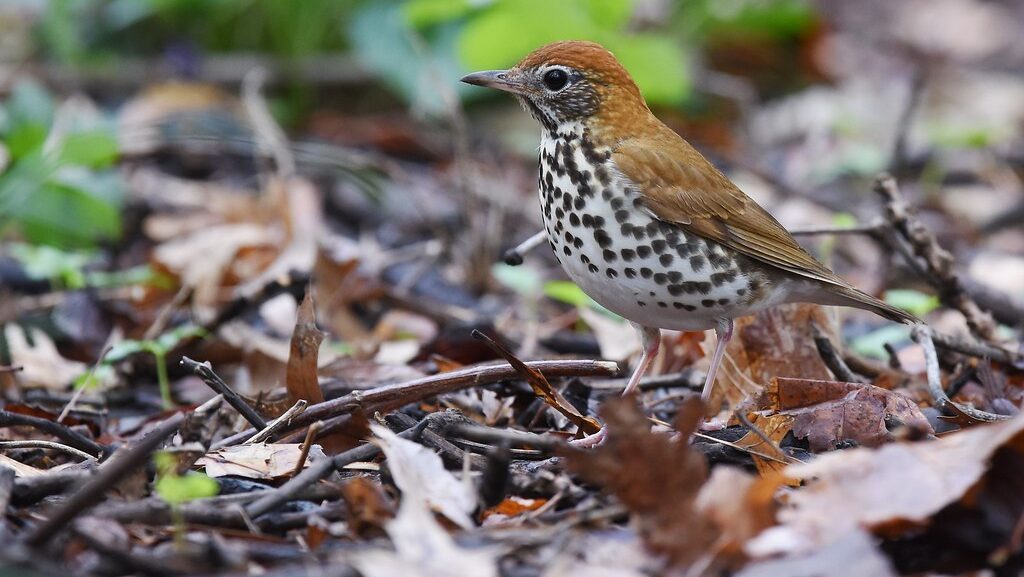
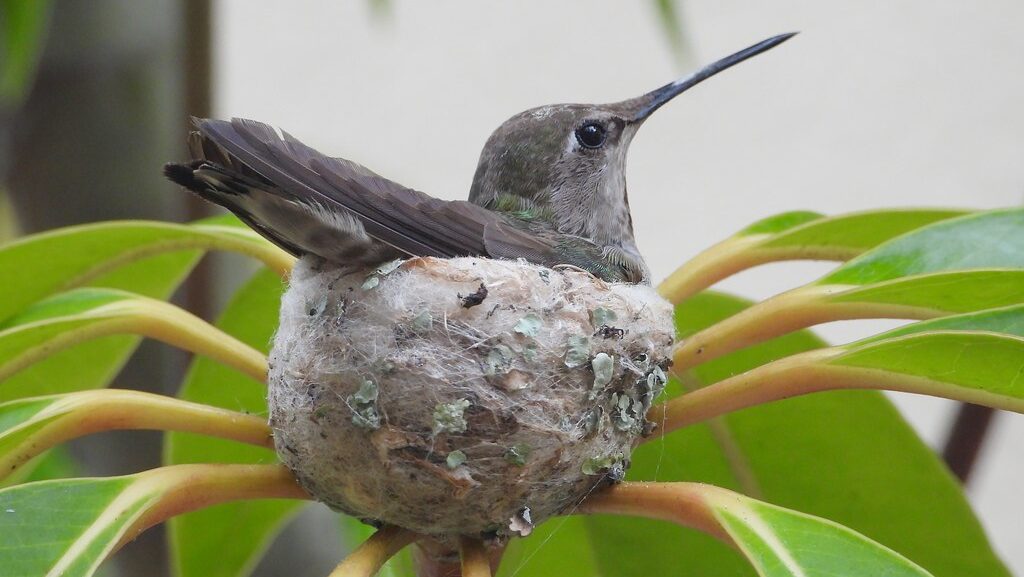
Birds become resourceful collectors during nesting season, gathering a variety of materials to construct their homes. You might spot birds plucking dead grass, small twigs, moss, pet fur, dryer lint, or even spider webs from around your property. Different species have specific preferences—robins often seek mud to strengthen their cup-shaped nests, while hummingbirds collect spider silk to bind their tiny nests together. Notice if grass clippings disappear unusually quickly after mowing or if birds are pulling at loose strings on outdoor furniture cushions. These materials won’t be consumed as food but instead transported to the growing nest structure, providing valuable clues about nesting activity in your vicinity.
Listen for Changes in Bird Calls
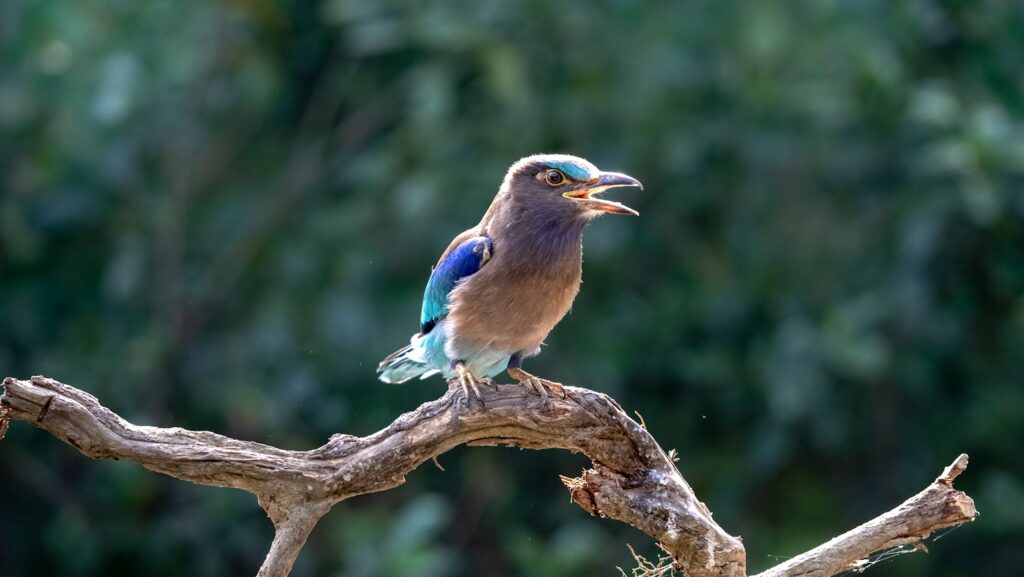
The soundtrack of your yard often changes significantly when birds begin nesting. Male birds typically become more vocal, singing distinctive territorial songs to establish and defend their nesting area from competitors. In contrast, once actual nest-building begins, birds may become more secretive and quiet near the nest site to avoid drawing attention to it. Pay attention to alarm calls—short, sharp warning sounds birds make when they perceive threats near their nests. If you consistently trigger these alarm calls when walking near a particular tree or shrub, it likely indicates a nest is nearby. Some species may even engage in distraction displays, pretending to be injured to lure potential threats away from their nesting sites.
Observe Defensive Behavior
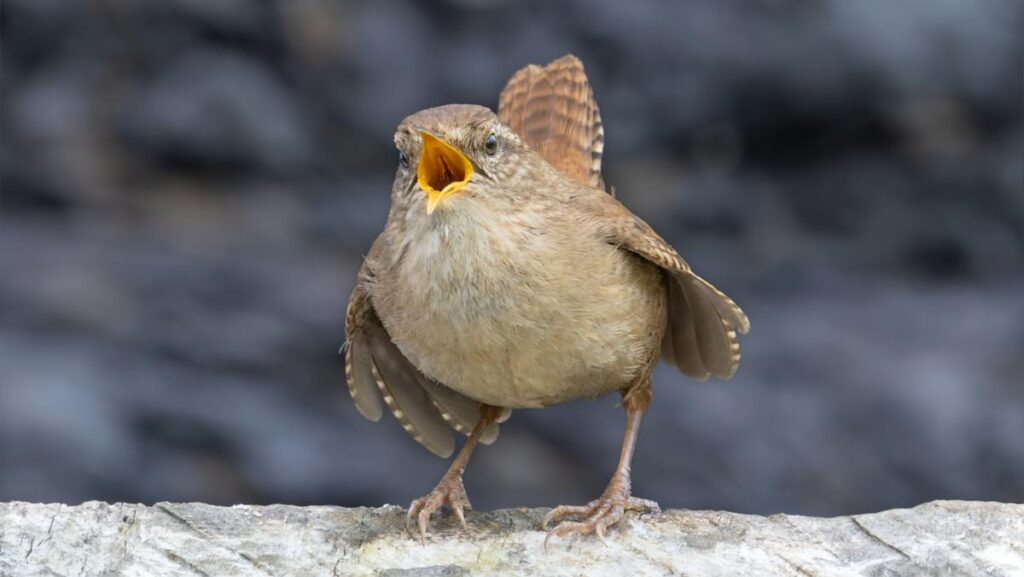
Birds become notably protective when they have a nest to defend, often displaying surprising courage against perceived threats many times their size. Watch for birds dive-bombing or swooping near your head when you walk in certain areas of your yard—this aggressive behavior typically indicates you’re too close to a nest. Some species may perform distraction displays like the “broken wing act,” where they pretend to be injured to draw predators away from their nesting site. Others might perch nearby and vocalize loudly, essentially sounding an alarm until the threat retreats. This territorial behavior generally intensifies once eggs have been laid or when chicks have hatched, as parents become increasingly invested in protecting their offspring.
Look for Actual Nest Structures
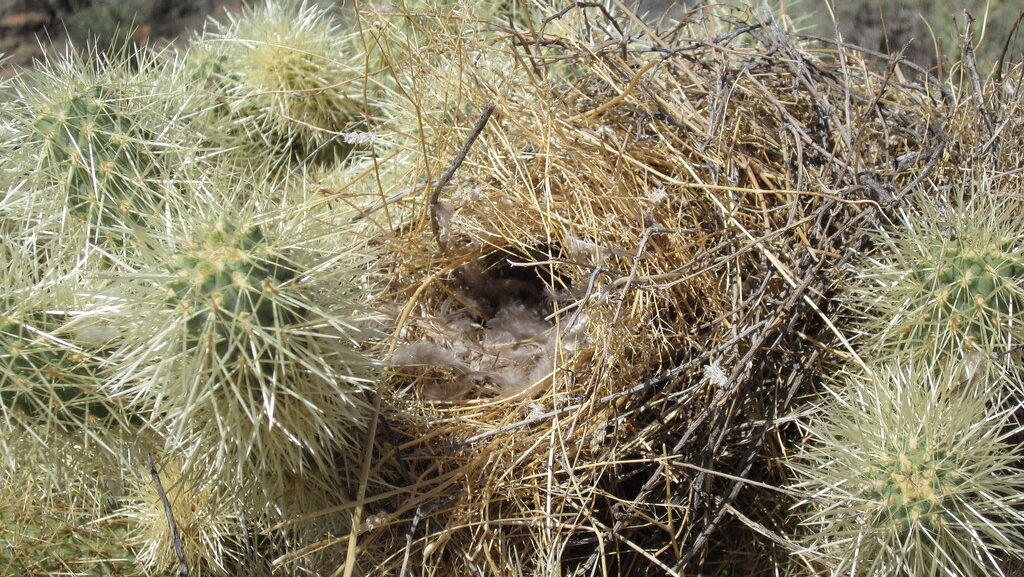
While some nests are deliberately well-hidden, others might be more visible if you know where to look. Examine dense shrubs, tree branches, eaves, porch lights, and other sheltered locations for cup-shaped structures made of twigs, grass, mud, or other materials. Different bird species construct distinctively different nests—robin nests are mud-reinforced cups, mourning doves build flimsy platform nests, and hummingbirds create tiny, walnut-sized nests camouflaged with lichen. Some birds, like wrens, may nest in cavities or use birdhouses you’ve provided. Binoculars can help you spot nests higher in trees without disturbing the birds, though it’s best to keep your observations brief and from a respectful distance to avoid causing stress to the nesting birds.
Notice Changes in Feeding Behavior
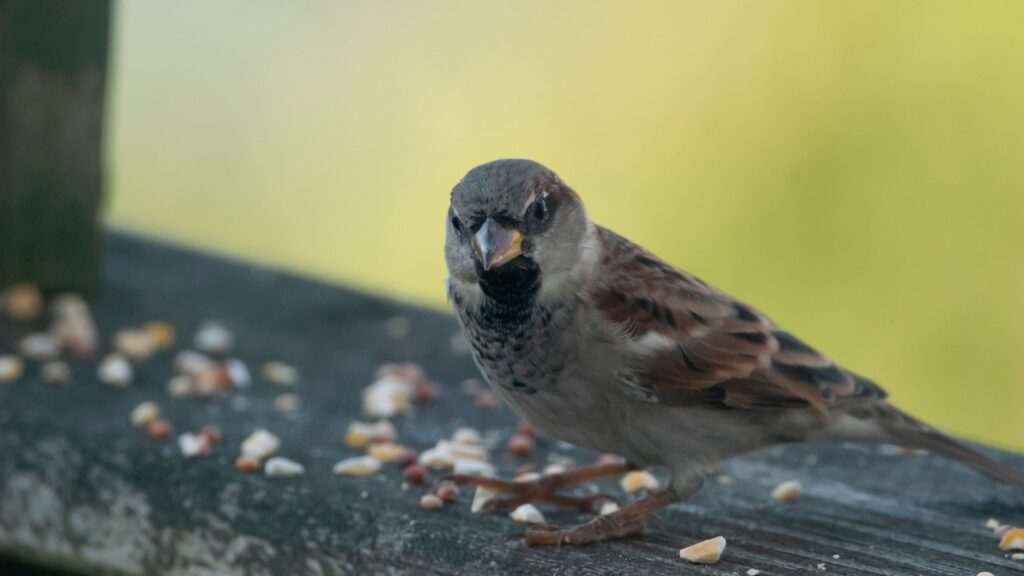
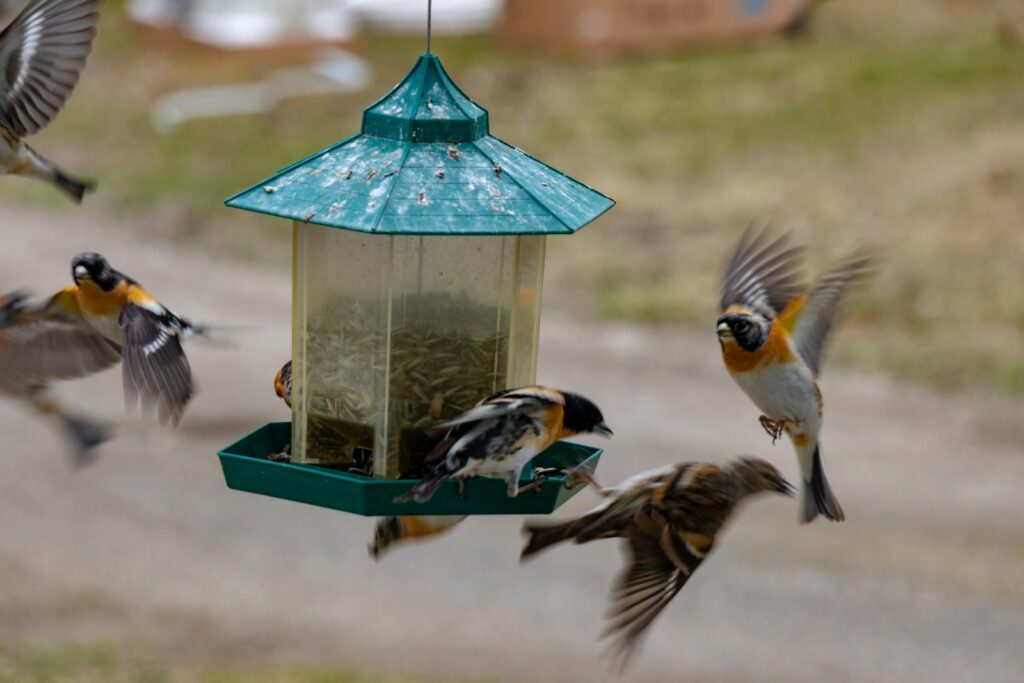
Birds’ feeding patterns often shift dramatically during nesting season, providing observant homeowners with clear indicators of nesting activity. You might notice birds collecting food but not consuming it immediately—instead, they’re gathering provisions for hungry nestlings. Parent birds typically make numerous quick trips to and from the same location while feeding their young, sometimes visiting dozens of times per hour during peak feeding periods. The types of food collected may change as well, with many songbirds switching from seeds to protein-rich insects to support their growing offspring. Bird feeders in your yard may see increased traffic, particularly from species that incorporate seeds into their diet even during breeding season, giving you excellent opportunities to observe these behavioral changes.
Check for Droppings Accumulation
Bird droppings concentrated in a specific area can indicate a nest located above. Parent birds keep the interior of their nests meticulously clean, removing waste produced by their nestlings to maintain hygiene and avoid attracting predators. You might notice a buildup of white droppings on the ground, on a fence, or on outdoor furniture directly beneath an active nest. This pattern becomes especially noticeable once chicks have hatched and begin producing waste in greater quantities. Additionally, some resourceful bird species actually incorporate droppings into their nest construction—barn swallows, for instance, use mud mixed with droppings to create stronger, more adhesive nest structures attached to walls or under eaves.
Monitor Seasonal Timing
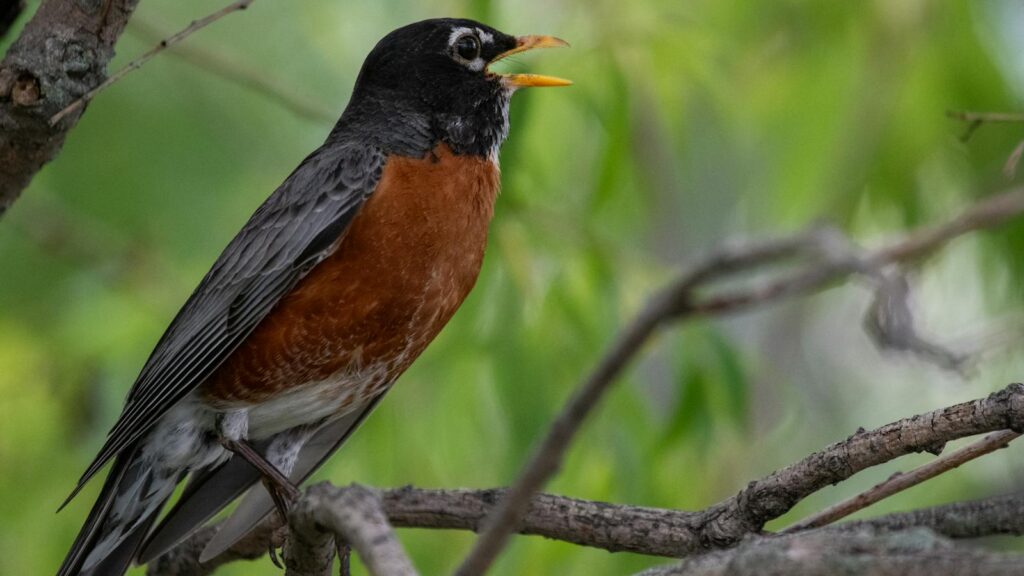
Understanding the typical nesting calendar for birds in your region can help you recognize when to look for nesting activity. Most North American songbirds nest during spring and early summer, though the exact timing varies by species and region. In warmer climates, nesting may begin as early as February or March, while birds in northern areas might wait until May. Some species, like mourning doves and American robins, may produce multiple broods in a single season, extending their nesting activities into late summer. Researching the specific nesting periods of common birds in your area can help you anticipate when you’re most likely to observe nest-building, incubation, and chick-rearing activities, allowing you to be more attuned to the subtle signs of nesting around your property.
Recognize Cavity Nesters
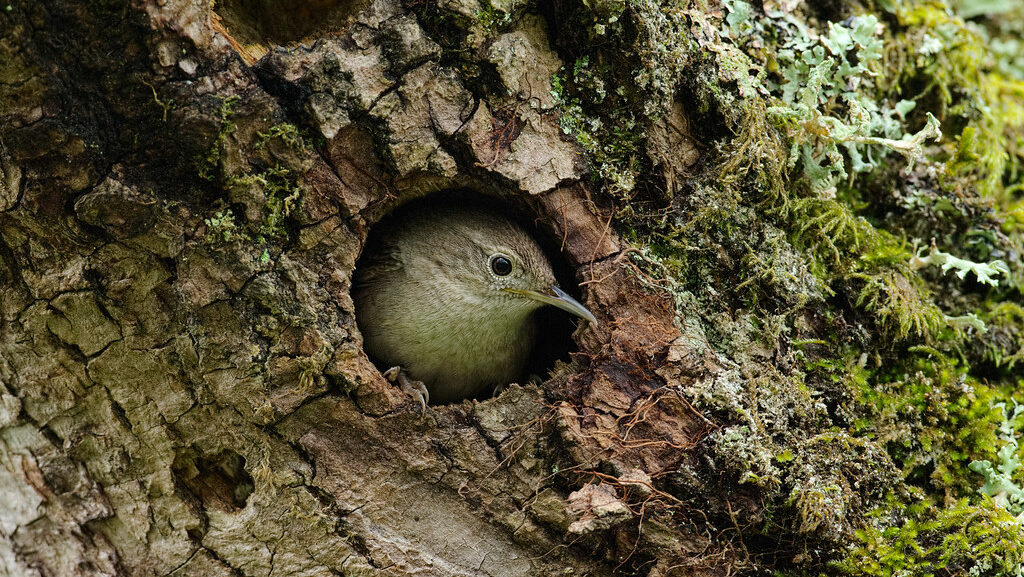
Not all birds build the cup or platform nests we typically associate with nesting—many species are cavity nesters, making their homes in holes in trees, structures, or specialized birdhouses. Woodpeckers, chickadees, bluebirds, nuthatches, and wrens are common cavity-nesting species you might encounter in your yard. Watch for birds repeatedly entering and exiting the same hole in a tree or structure, which strongly suggests nesting activity. You might also notice small wood chips accumulating below a tree where a woodpecker is excavating a new nesting cavity. Unlike open-cup nesters, cavity-nesting birds often appear to suddenly vanish into solid objects, only to emerge minutes later—a fascinating behavior that indicates they’re tending to eggs or young hidden within the protective cavity.
Watch for Fecal Sacs
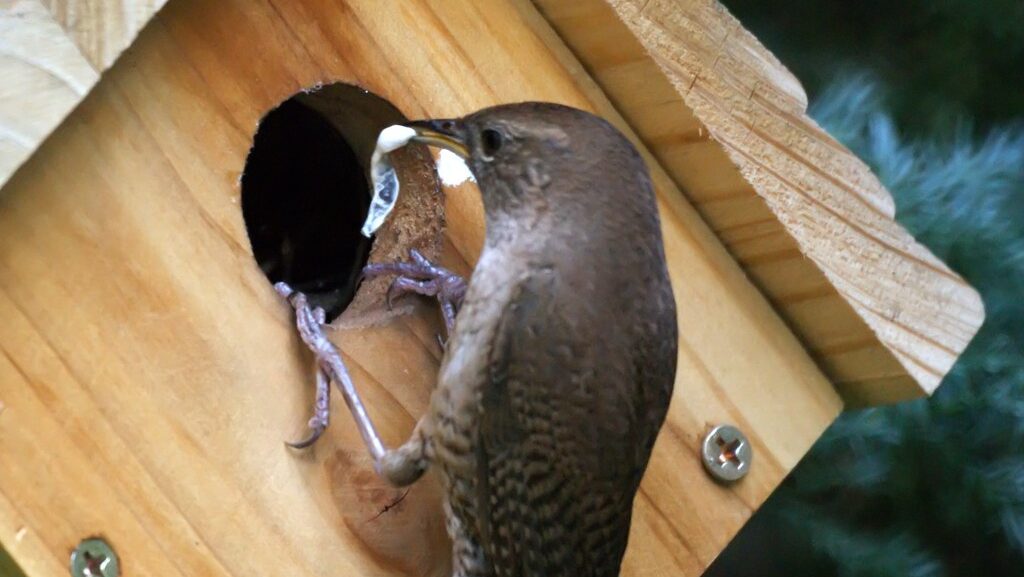
One fascinating but less-known sign of nesting activity is the presence of fecal sacs—small, white, membrane-covered packages of waste produced by nestlings. Many songbird parents remove these from the nest to maintain cleanliness, carrying them away in their beaks and disposing of them at a distance from the nest site. If you observe an adult bird flying from a specific location with what appears to be something white in its bill, you’re likely witnessing this remarkable sanitation behavior. This waste management system helps keep the nest environment healthy while also preventing the accumulation of odors that might attract predators. Fecal sac removal becomes especially frequent once nestlings are a few days old, providing a reliable indicator of an active nest with growing young.
Observe Changing Adult Behavior
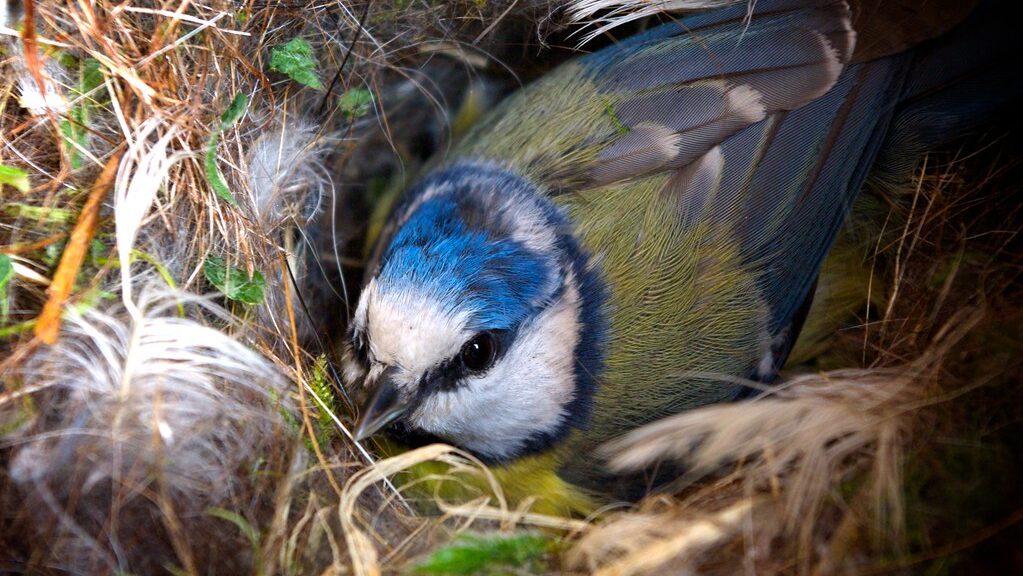
Birds display distinct behavioral patterns throughout the nesting cycle that can help you identify nesting activity in your yard. During egg incubation, you might notice a bird sitting in one spot for extended periods, leaving only briefly to feed before returning to the same location. After eggs hatch, both parents typically become much more active, making frequent food delivery trips to the nest. As nestlings grow, parent birds may spend more time perched nearby, guarding the nest and teaching fledglings important survival skills. Some species display worn feathers or a generally disheveled appearance after weeks of intense parenting duties, reflecting the physical demands of raising their young. These behavioral shifts occur in predictable patterns, offering a timeline of the nesting progress even when the nest itself remains hidden from view.
Listen for Nestling Sounds
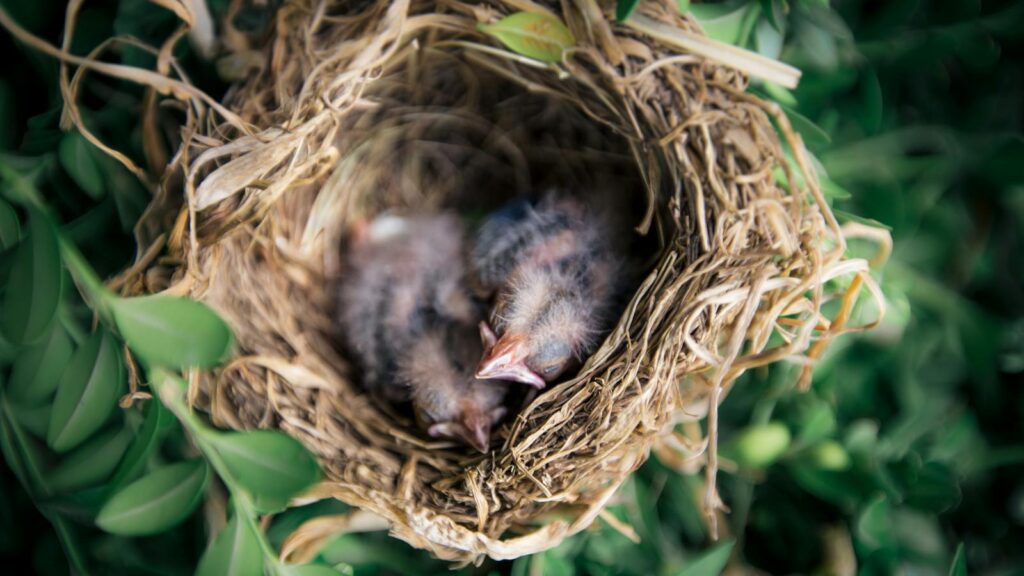
As young birds develop in the nest, they become increasingly vocal, producing sounds that can help you pinpoint a nest location. Newly hatched chicks make soft peeping sounds that gradually grow louder and more insistent as they age. When parent birds approach the nest with food, nestlings often erupt in a chorus of begging calls, creating a sudden burst of high-pitched chirping that quiets once they’ve been fed. These feeding-related vocalizations typically occur in regular cycles throughout the day, intensifying during early morning and evening hours when feeding activity peaks. If you consistently hear these distinctive nestling calls from a specific location in your yard, you’ve almost certainly identified an active nest site, even if the structure itself remains hidden from view.
Respect Nesting Areas
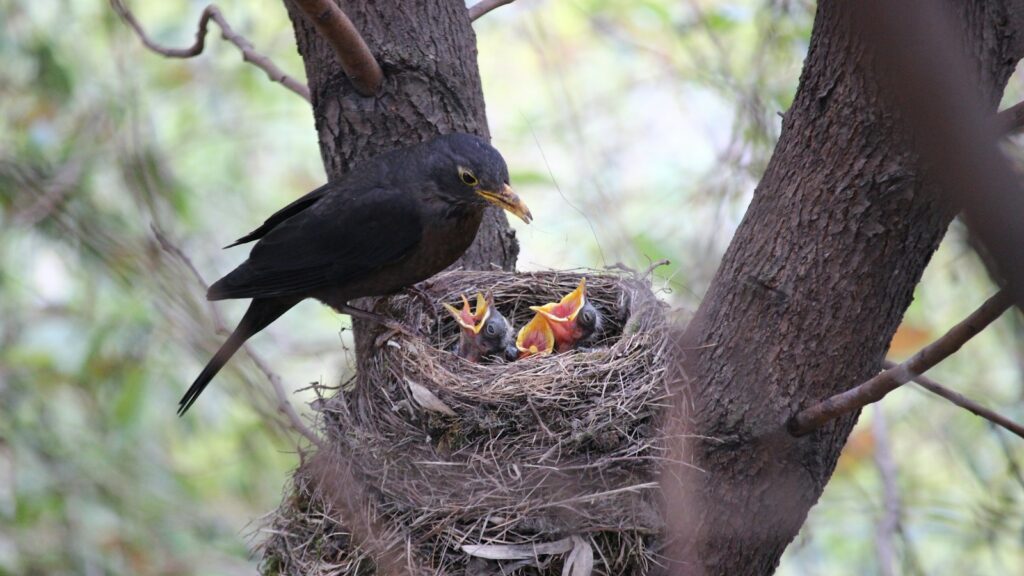
Once you’ve identified nesting activity in your yard, it’s crucial to give the birds the space and security they need to successfully raise their young. Avoid disturbing vegetation where you suspect nests are located, postponing any major pruning or landscaping until after the nesting season concludes. Keep cats indoors or supervised when outside, as domestic cats pose a significant threat to both nesting adults and vulnerable fledglings. Consider temporarily reducing activities near active nest sites, particularly during the critical times when young are about to fledge. Remember that many bird species are protected under the Migratory Bird Treaty Act, making it illegal to disturb active nests. By respecting these boundaries, you can enjoy observing the nesting process while giving birds the best chance at successfully raising their families in your yard.
Conclusion
Discovering birds nesting in your yard provides a unique opportunity to connect with nature’s rhythms and witness the remarkable parenting behaviors of wild birds. By learning to recognize the subtle signs of nesting activity—from material gathering to feeding patterns—you’ll develop a deeper appreciation for the complex lives of your feathered neighbors. Remember that your role as a backyard host comes with responsibility; observe respectfully from a distance, protect nesting areas from disturbance, and celebrate the successful fledging of each new generation. With patience and attentiveness, your yard can become not just a place where birds visit, but a sanctuary where they choose to raise their families, creating a mutually beneficial relationship that enriches your outdoor experience throughout the seasons.