

Every year, billions of birds embark on epic migration journeys, navigating with remarkable precision across continents and oceans. Yet sometimes, these feathered travelers end up thousands of miles from where they should be, appearing in locations that leave scientists and birdwatchers alike scratching their heads in wonder. These avian wayfarers, known as vagrants, become celebrities in the birding world when they turn up unexpectedly on the wrong continent or hemisphere. But why do these otherwise navigation-savvy creatures sometimes take such dramatic detours? The answers reveal fascinating insights into bird biology, weather patterns, and even the changing climate, giving us a window into the complex challenges birds face during their extraordinary journeys.
The Navigation Toolkit of Migratory Birds

Birds possess an impressive array of biological navigation tools that typically guide them precisely over vast distances. Many species use the sun’s position during the day and star patterns at night as celestial compasses to maintain their bearing. Some birds, like pigeons and certain migratory species, can detect Earth’s magnetic field through specialized cells containing magnetite crystals in their beaks or special proteins in their eyes. Additionally, birds may use topographical landmarks like mountain ranges, coastlines, and major rivers to orient themselves during migration. This multi-layered navigation system generally serves birds well, allowing species like the Arctic Tern to complete round-trip journeys exceeding 44,000 miles each year with remarkable accuracy.
When Internal Compasses Fail

Despite their sophisticated navigation systems, birds sometimes experience internal compass failures that send them off course. Young birds making their first migration are especially vulnerable to navigation errors since their routes are often genetically programmed rather than learned through experience. Researchers have discovered that some birds have genetic mutations affecting their magnetoreception abilities, essentially giving them a slightly miscalibrated internal compass. In certain cases, birds may experience physical damage to their navigation organs due to disease, parasites, or environmental toxins that impair their ability to process navigational cues. Studies conducted on disoriented birds have shown that even small disruptions to their sensory equipment can result in dramatic navigational miscalculations over long distances.
Weather Extremes as Displacement Factors

Severe weather events represent one of the most common causes of dramatic bird displacement, forcibly carrying birds far from their intended routes. Powerful hurricanes and tropical storms can capture birds in their circulation systems, transporting them hundreds or even thousands of miles before releasing them in unfamiliar territory. Strong frontal weather systems with sustained winds can gradually push migrating birds off course over several days, a phenomenon ornithologists call “drift.” In the North Atlantic, fast-moving nor’easters have been documented carrying European birds to North America, explaining many transatlantic vagrant records. Weather radar studies have revealed that birds caught in severe storms often fly continuously until they find land or calm conditions, sometimes resulting in extraordinary displacements across oceans or continents.
The Phenomenon of Mirror-Image Misorientation

One particularly fascinating explanation for avian vagrants is what ornithologists call “mirror-image misorientation,” a navigation error that sends birds in precisely the wrong direction. This phenomenon occurs when birds make a 180-degree error in their directional orientation, essentially flying the correct distance and pattern but in exactly the opposite direction from their intended route. For example, Siberian birds that should migrate southeast to wintering grounds in Southeast Asia sometimes fly southwest instead, ending up in Western Europe. Researchers believe this error stems from confusion in how birds interpret their internal compass readings, particularly when processing magnetic field information. Studies tracking individual vagrants have shown flight patterns remarkably similar to normal migration routes but mirrored across a central axis, supporting this intriguing theory.
Genetic Programming Errors
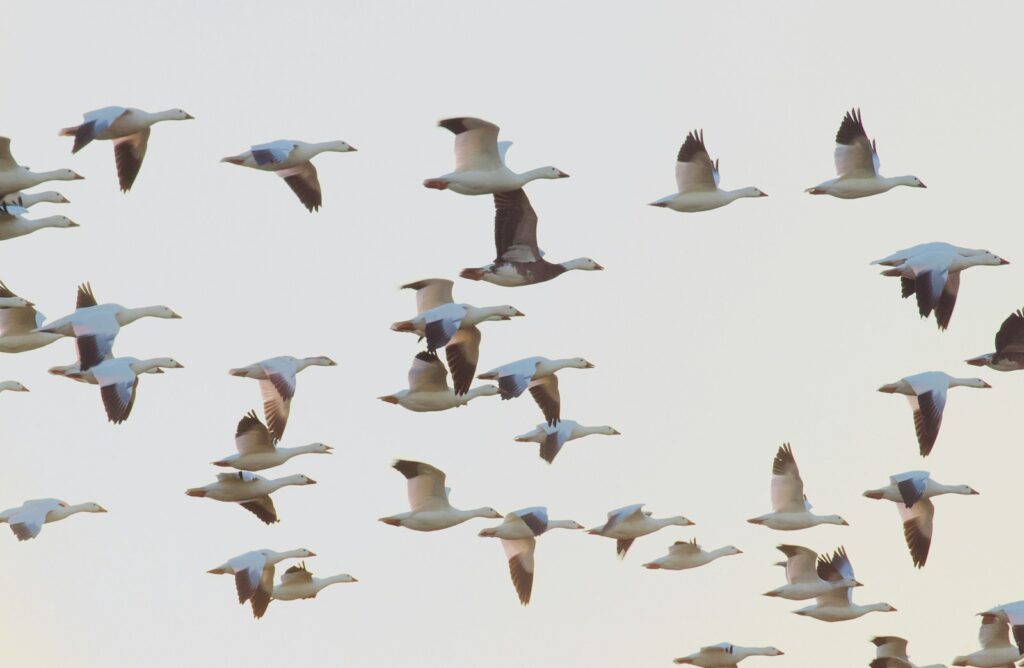
Some bird vagrants may actually be following genetic instructions that are evolutionarily outdated or mutated, sending them on routes that no longer make ecological sense. Genetic studies of certain vagrant populations suggest some individuals inherit migration instructions that reflect ancient routes used by their species thousands of years ago when continents were positioned differently or climate patterns varied. These “genetic ghosts” of past migration patterns occasionally manifest in modern birds, creating what scientists call atavistic migration behavior. Some researchers theorize that rare genetic mutations might create entirely novel migration urges in individual birds, sending them on unprecedented journeys that might—in rare cases—lead to the establishment of new migration routes if these birds survive and reproduce. DNA analysis of vagrant birds sometimes reveals subtle genetic differences from the main population, hinting at the hereditary component of wayward migrations.
The Role of Climate Change in Altering Migration Patterns

Climate change is increasingly disrupting traditional migration cues and creating new patterns of bird vagrancy around the world. Rising global temperatures are shifting the timing of seasonal changes that birds rely on for migration triggers, causing some birds to depart too early or too late relative to favorable conditions along their route. Changing wind patterns associated with climate change alter the atmospheric highways that many birds depend on for efficient long-distance travel. Research tracking vagrant sightings over decades shows clear correlations between increasing climate volatility and rises in off-course bird observations, particularly in regions experiencing rapid warming. Some scientists predict that as climate patterns continue to shift, today’s rare vagrants may become tomorrow’s pioneer populations, establishing entirely new migratory routes and wintering grounds.
Juvenile Birds and Navigation Learning
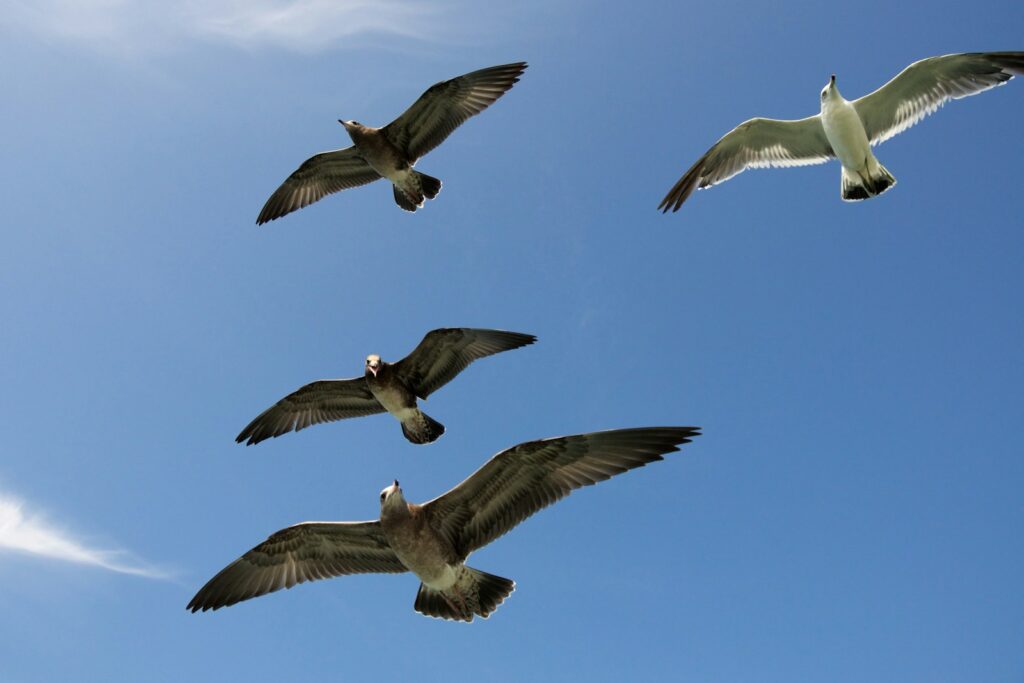
Young birds making their first migration journeys account for a disproportionately high percentage of vagrant sightings, highlighting the importance of experience in avian navigation. In many species, juvenile birds migrate separately from adults, relying heavily on innate genetic programming rather than learned knowledge about routes and stopover sites. Studies tracking age ratios among vagrant birds consistently show that first-year individuals are often three to five times more likely to make significant navigation errors than adults of the same species. This navigation learning curve explains why rare birds appearing far from their normal range are frequently juveniles displaying telltale immature plumage. Researchers have documented higher survival rates for vagrant juveniles that manage to connect with local bird flocks, suggesting social learning may partially compensate for navigation inexperience.
Population Pressure and Exploratory Migration

Not all avian vagrants are lost—some may be pioneers deliberately exploring new territories due to population pressures in their traditional ranges. When bird populations exceed the carrying capacity of their normal habitat, some individuals, particularly young males, may undertake exploratory migrations beyond the species’ usual boundaries in search of new opportunities. This behavioral adaptation can lead to range expansion over time if these pioneers successfully establish themselves in new areas and attract mates. Historical records document numerous cases of bird species gradually expanding their ranges through what initially appeared as random vagrancy but eventually became established migration routes. The European Collared Dove provides a classic example, having spread across Europe and into North America over the past century through a series of what were initially considered vagrant movements.
The Phenomenon of Reverse Migration
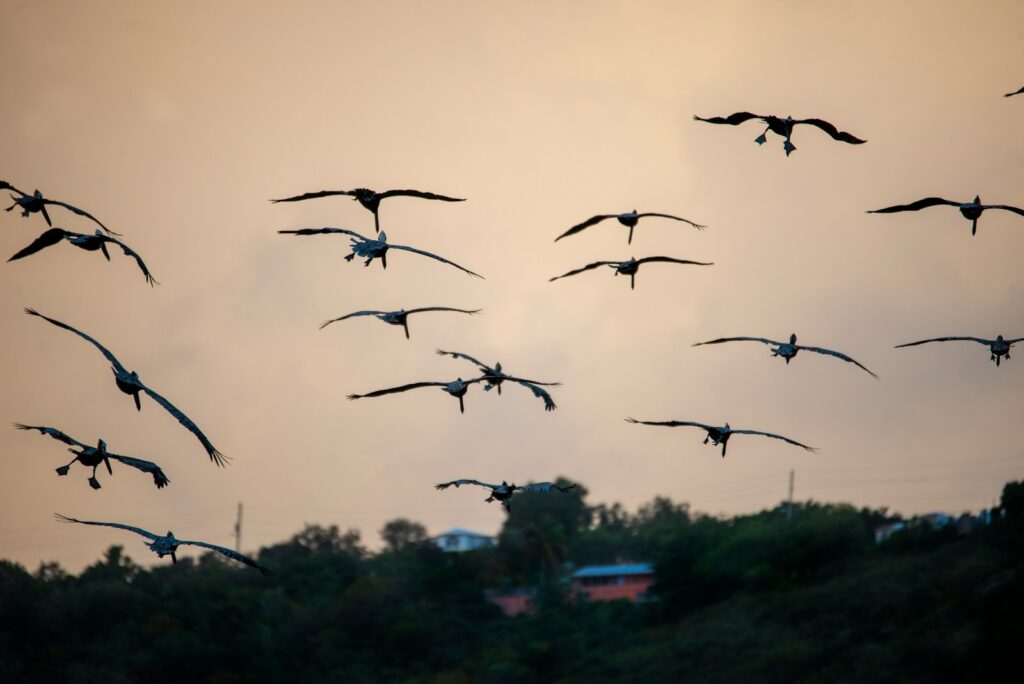
A peculiar navigational error called reverse migration occurs when birds fly in precisely the opposite direction from their normal route, often resulting in spectacular displacements. This phenomenon happens when birds misinterpret directional cues and make a 180-degree error in their orientation, heading north when they should go south, or east instead of west. Reverse migration is particularly common during fall migrations when inexperienced juvenile birds are making their first journeys. Radar studies conducted at migration hotspots have captured this phenomenon in action, showing streams of birds moving contrary to the expected direction during peak migration periods. Bird banding records reveal that some individuals who make this error one year may correct it in subsequent migrations, suggesting they can learn from the experience if they survive the detour.
Ship-Assisted Vagrants: Hitchhikers at Sea

Some birds appearing far from their normal range have had human assistance in the form of ships that provide rest stops during oceanic crossings. Exhausted migrating birds frequently land on vessels at sea, sometimes remaining aboard for days or even weeks as the ship crosses oceans or navigates shipping channels. These ship-assisted vagrants may arrive in distant ports appearing perfectly healthy, having recuperated during their maritime transport. Shipping records correlated with unusual bird sightings have confirmed numerous cases of ship-assisted vagrancy, particularly along major global shipping routes. Certain species, like cattle egrets and barn swallows, have successfully colonized new continents partly through this accidental human assistance, transforming from rare vagrants to established populations in their new homes.
The Ecological Consequences of Vagrancy

While individual vagrant birds often face challenging survival prospects, their wanderings can have significant ecological and evolutionary implications. Vagrants occasionally establish new breeding populations if they find suitable habitat and potential mates, potentially leading to range expansions or even speciation over evolutionary time. The genetic diversity introduced when vagrants breed with local populations can strengthen a species’ adaptive potential and resilience to environmental changes. Historical analysis of bird distribution patterns suggests that some now-common migration routes likely began as rare vagrant pathways that proved advantageous and were subsequently adopted by larger populations. Conservation biologists monitor patterns of vagrancy as potential early indicators of shifting ecosystems and climate change impacts, using these avian pioneers as living barometers of environmental transformation.
Scientific Methods for Studying Bird Vagrancy
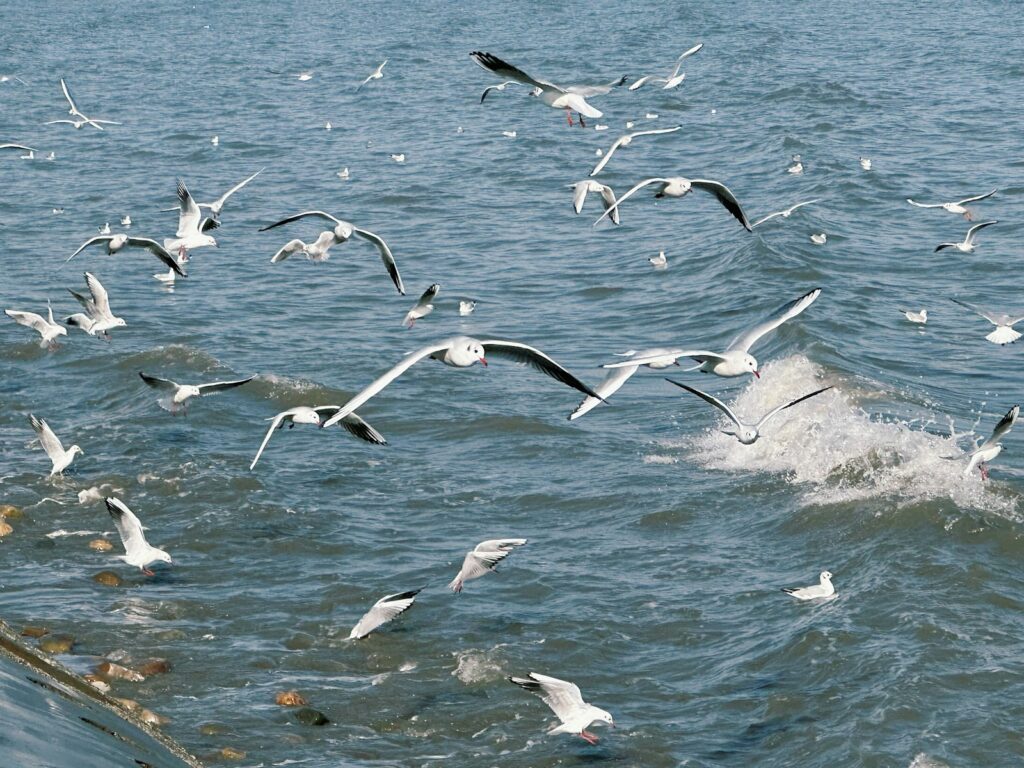
Ornithologists employ increasingly sophisticated methods to study why and how birds end up thousands of miles off course. Lightweight geolocators and satellite transmitters attached to migratory birds now allow scientists to track individual journeys in real-time, revealing exactly when and where navigation errors occur. Stable isotope analysis of feathers can determine where a vagrant bird was born and has traveled by matching chemical signatures in its feathers to environmental isotopes from different regions. Genetic testing helps researchers determine whether vagrants represent unusual populations or subspecies with different migratory behaviors from the main species. Citizen science projects like eBird have revolutionized vagrant bird documentation by creating massive databases of sightings that allow scientists to analyze vagrancy patterns across continents and decades, revealing previously undetectable trends in when and where birds go astray.
What Vagrant Birds Teach Us About Adaptation

The phenomenon of bird vagrancy offers profound insights into how species adapt to our rapidly changing planet. These avian explorers, whether lost or pioneering, demonstrate the behavioral flexibility that has allowed birds to colonize virtually every habitat on Earth through evolutionary time. When vagrant birds successfully establish new migration routes or breeding populations, they provide real-time examples of adaptation in action, showing how species can respond to environmental changes. The study of vagrant birds highlights the delicate balance between hard-wired genetic programming and learned behavior in animal navigation, offering lessons that extend beyond ornithology into broader questions of neuroscience and behavior. Perhaps most importantly, these feathered wanderers remind us that what appears as a mistake in the short term—a bird thousands of miles from where it “should” be—can sometimes become an evolutionary innovation that ensures a species’ survival in our ever-changing world.
Conclusion
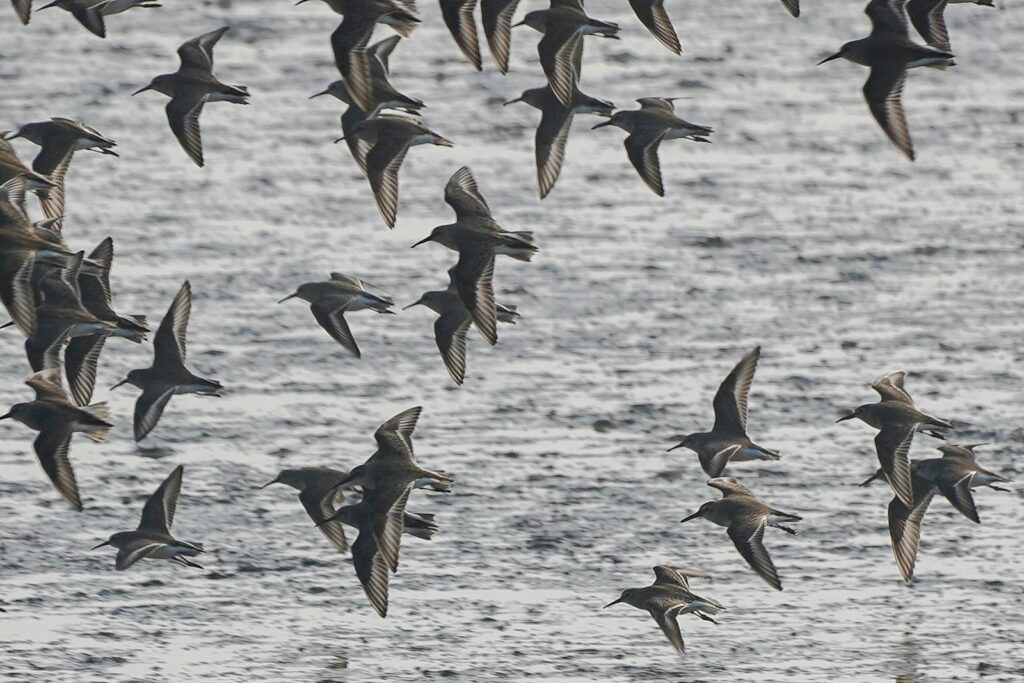
When birds take dramatic detours thousands of miles off course, they reveal the complex interplay of biology, weather, climate change, and even chance that shapes migration. While some of these wayward travelers are truly lost—victims of internal compass failures, weather displacement, or genetic programming errors—others may be pioneering new frontiers that could become standard routes for future generations. Far from being simply navigation failures, these avian vagrants offer scientists valuable data about how birds respond to environmental changes and adapt their remarkable migratory behaviors. As our climate continues to transform, understanding why birds sometimes go dramatically off course may prove crucial for predicting how these magnificent travelers will navigate an increasingly unpredictable world, teaching us lessons about resilience and adaptation that extend well beyond the fascinating world of birds.