

Birds have been migrating across our planet for millennia, following ancient pathways dictated by the seasons, available food, and breeding opportunities. These remarkable journeys, often spanning thousands of miles, represent one of nature’s most spectacular phenomena. However, in recent decades, scientists have observed significant shifts in these time-honored patterns. Climate change has emerged as a powerful force reshaping when, where, and how birds migrate. As global temperatures rise and weather patterns become increasingly erratic, our avian neighbors are being forced to adapt in ways that reveal both their resilience and vulnerability. This article explores the profound impact climate change is having on bird migration, the challenges it creates, and what these changes tell us about the broader health of our planet.
The Ancient Rhythms of Bird Migration

Bird migration represents one of nature’s most impressive adaptations, evolving over millions of years as species developed strategies to exploit seasonal resources across vast geographic ranges. Traditionally, these journeys have been timed to coincide with optimal conditions—departing as food sources dwindle in one region and arriving as they become abundant elsewhere. Many species navigate using a combination of celestial cues, Earth’s magnetic field, geographic landmarks, and even scent to find their way across continents and oceans. These patterns have been remarkably consistent, with birds returning to the same breeding and wintering grounds year after year with astonishing precision. This predictability has allowed birds to synchronize their life cycles with seasonal food availability, particularly the emergence of insects and plants that provide crucial nutrition during the energy-demanding periods of breeding and raising young.
Climate Change as a Migration Disruptor
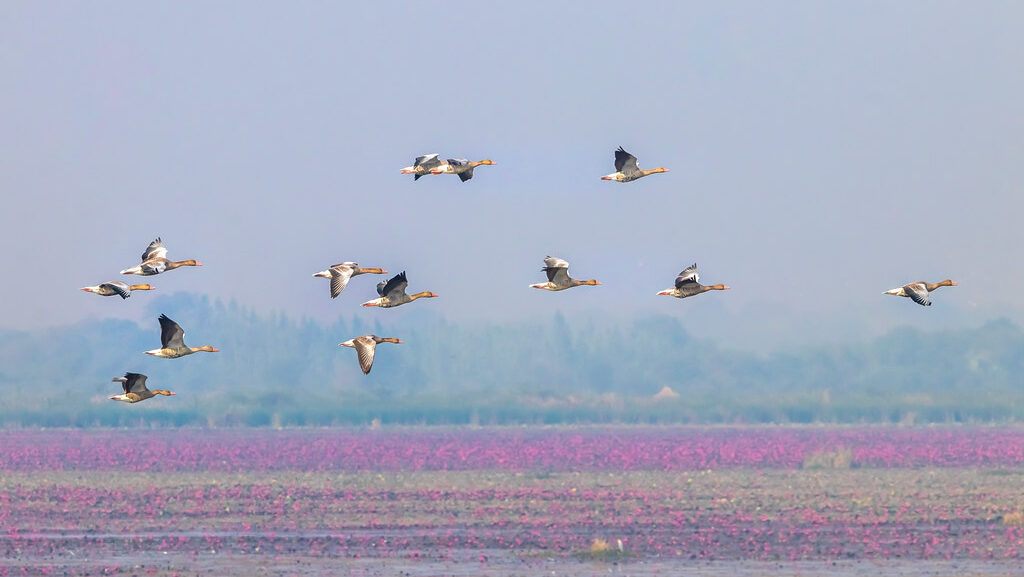
The accelerating pace of climate change is fundamentally altering the environmental cues that birds have relied upon for generations. Rising temperatures are shifting growing seasons and insect emergence timings, creating potential mismatches between when birds arrive at breeding grounds and when food is most abundant. Changing precipitation patterns are transforming habitat quality and food availability along established migration routes, turning once-reliable stopover sites into ecological traps. Increasingly frequent extreme weather events, from unseasonable storms to prolonged droughts, present direct physical threats to migrating birds, especially those whose journeys take them across oceans or deserts with few opportunities to seek shelter. These disruptions are not occurring uniformly across the planet, with some regions warming more rapidly than others, creating complex challenges for species whose annual cycles span multiple climatic zones.
Shifting Migration Timing
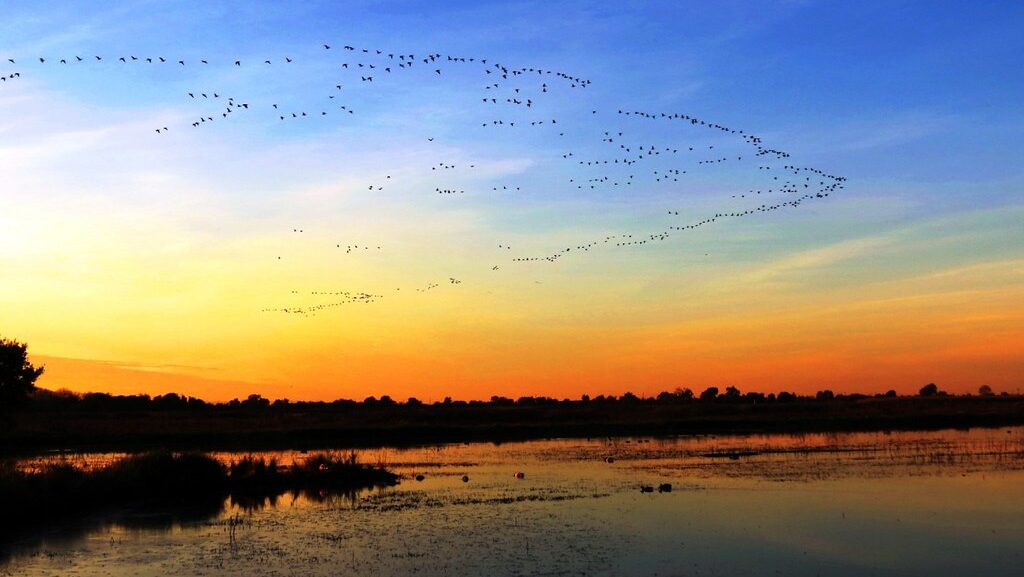
One of the most well-documented effects of climate change on bird migration is the adjustment of departure and arrival dates. Studies across multiple continents have revealed that many species are now migrating earlier in spring than they did just decades ago, with some populations advancing their arrival at breeding grounds by as much as two weeks. This shift corresponds with earlier spring thaws and vegetation development in northern regions. Fall migrations are showing more complex patterns, with some species delaying their southward journeys as mild autumn conditions extend farther into the year. Not all species are responding at the same rate, however, creating potential ecological misalignments among birds that have historically coexisted in balanced communities. Long-distance migrants appear particularly vulnerable, as they may be less able to detect changing conditions at their destination while still at their wintering grounds thousands of miles away.
Changes in Migration Distance

As warming temperatures make northern latitudes more hospitable during winter months, scientists have observed a trend toward shorter migration distances among some bird populations. Species that once traveled to the tropics may now winter in temperate regions, while others may forgo migration entirely and become permanent residents in areas where they once appeared only seasonally. The European blackcap provides a compelling example of this phenomenon, with birds that traditionally wintered in Mediterranean regions now increasingly spending their winters in the milder climate of the British Isles. These adjustments can offer advantages, including reduced energy expenditure and mortality risks associated with long-distance travel. However, they also create new competitive dynamics in winter habitats and may leave birds vulnerable to sudden cold snaps in regions that still experience occasional severe winter weather despite the warming trend.
Altered Migration Routes
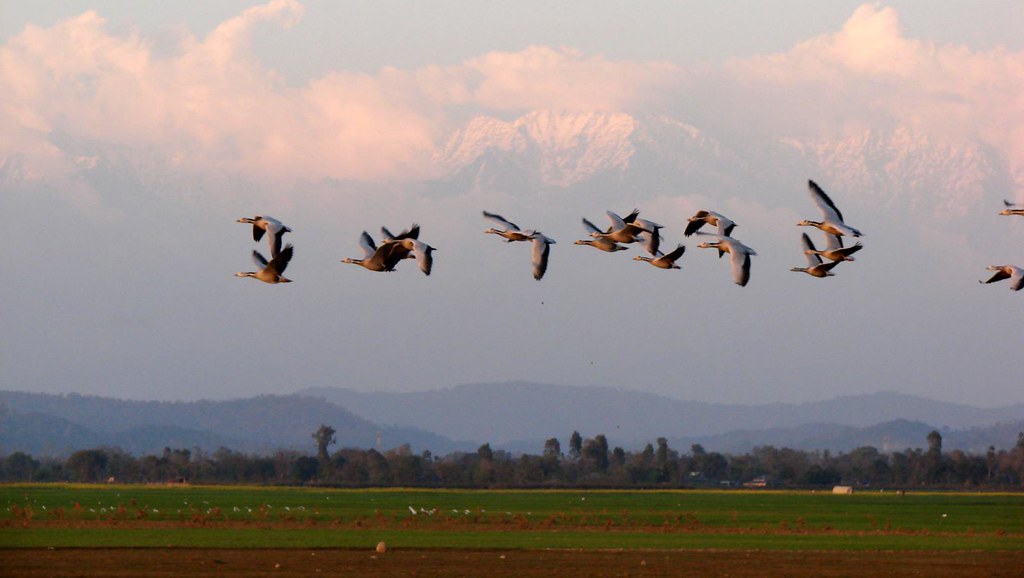
Climate change is not just affecting when birds migrate but also the pathways they follow. As habitat conditions shift, birds are adjusting their routes to take advantage of newly suitable areas or avoid regions that have become less hospitable. Some species are expanding their migration corridors farther north, while others are shifting coastward as inland areas experience more extreme heat or drought. Researchers using sophisticated tracking technologies have documented how some raptor species are altering their migration routes to avoid crossing regions where rising temperatures have intensified thermal updrafts to dangerous levels. These route alterations can have cascading effects on conservation efforts, as protected areas established based on historical migration patterns may no longer serve their intended purpose. The complexity of these shifts highlights the challenge of predicting exactly how different species will respond to continued climate change.
The Ecological Consequences of Disrupted Timing
Perhaps the most significant threat posed by climate-altered migration patterns is phenological mismatch—the desynchronization between birds’ breeding cycles and peak resource availability. Many migratory birds time their nesting to coincide with maximum insect abundance, ensuring adequate food for rapidly growing nestlings. As spring temperatures rise, insect emergence and plant flowering occur earlier, but not all bird species are adjusting their migration timing at the same rate. Research on European flycatchers has revealed populations experiencing reproductive decline because their arrival no longer aligns with peak caterpillar abundance. These mismatches can reduce nesting success, depress population growth, and ultimately threaten species persistence. The consequences extend beyond the birds themselves, affecting seed dispersal, insect control, and other ecosystem services that migratory birds provide across their range.
Winners and Losers in a Changing Climate
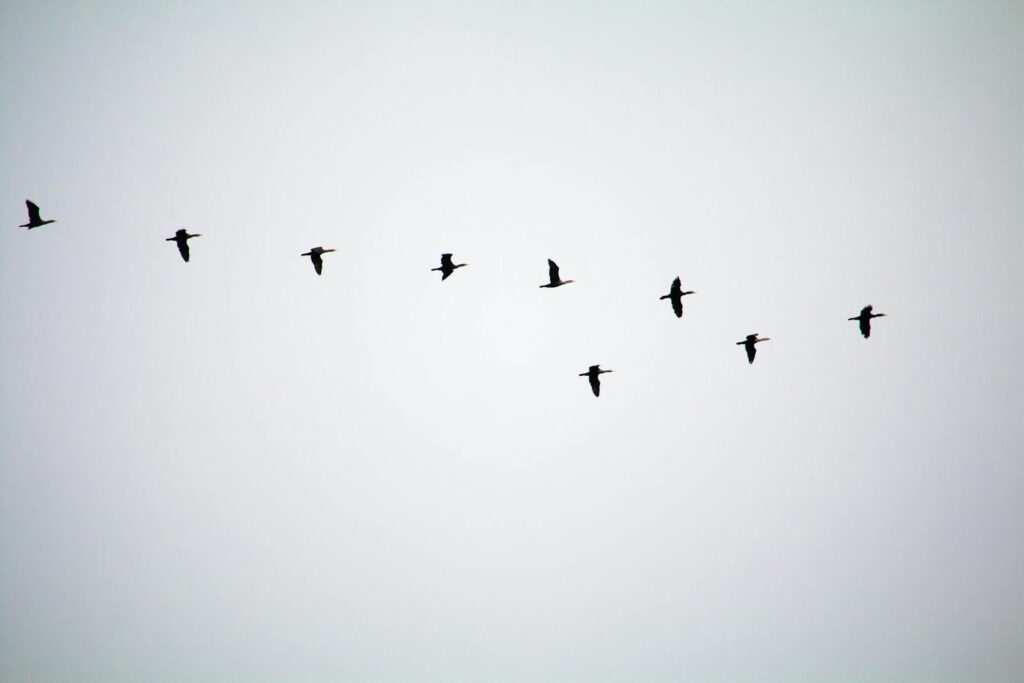
The ability to adapt to changing migration conditions varies dramatically across bird species, creating a landscape of ecological winners and losers. Short-distance migrants and generalist species with flexible diets often show greater capacity to adjust their timing and routes in response to climate shifts. The American robin, for example, has successfully expanded its winter range northward as temperatures moderate. In contrast, long-distance migrants, especially those with highly specialized diets or habitat requirements, face greater challenges. Aerial insectivores like swifts and swallows, which depend on flying insects that emerge under specific temperature conditions, appear particularly vulnerable. Species that migrate across ecological barriers such as oceans or deserts may have fewer options to alter their routes without facing significantly increased energy demands or mortality risks. These differential responses are reshaping bird communities across the globe, potentially reducing diversity in some regions while increasing it in others.
Extreme Weather and Migration Hazards
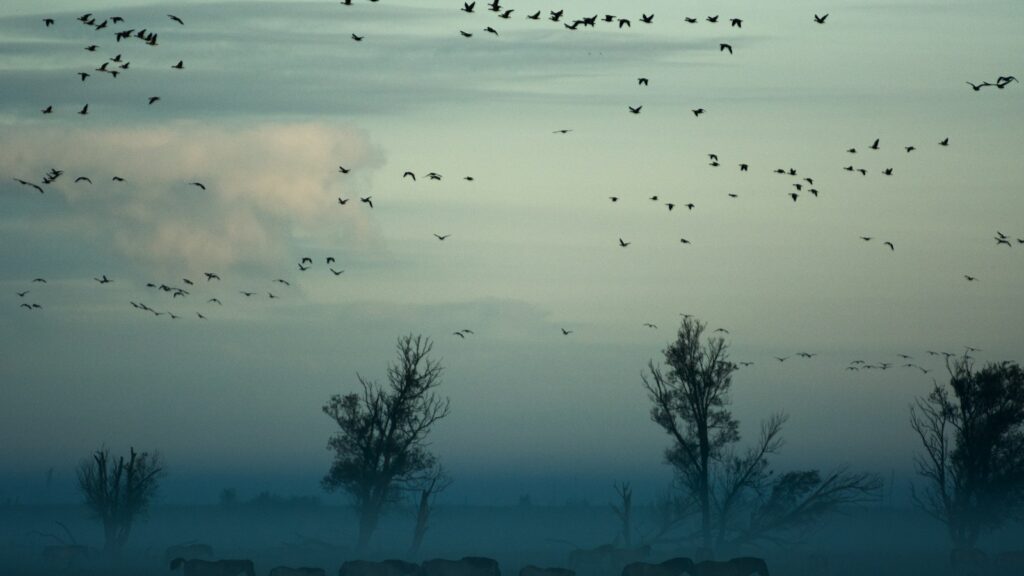
Climate change is intensifying the frequency and severity of extreme weather events, creating additional hazards for migrating birds. Powerful storms can blow migrating flocks hundreds of miles off course, sometimes resulting in mass mortality events when birds are forced down over open water without adequate rest opportunities. Prolonged droughts can diminish food and water availability at critical stopover sites, compromising birds’ ability to refuel for the next leg of their journey. Heat waves can cause direct physiological stress, particularly for species that are already pushing their metabolic limits during the energy-intensive activity of long-distance flight. Researchers have documented cases where unseasonable weather events have decimated migrating populations, such as the 2019 incident in which thousands of migrating birds died in the southwestern United States during an early autumn cold snap following an unusually hot period. These catastrophic events may become more common as climate patterns grow increasingly unpredictable.
The Arctic: A Migration Hotspot Under Threat
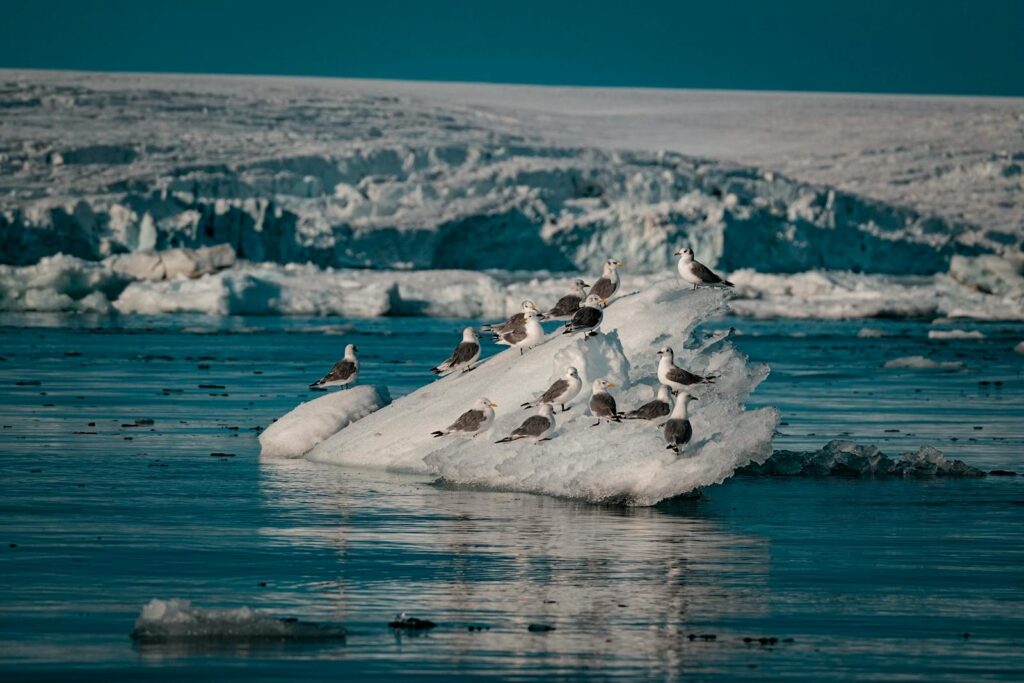
The Arctic region serves as the summer breeding destination for billions of migratory birds from around the world, yet it is warming at more than twice the global average rate. This accelerated warming is dramatically transforming Arctic ecosystems, with permafrost thaw, changing vegetation communities, and altered predator-prey dynamics all affecting the birds that depend on these northern landscapes. Shorebird species that migrate from as far as South America to nest on the Arctic tundra are finding their breeding habitat shrinking as shrubs expand northward. Changes in snow and ice melt timing are affecting nest site availability and predation risk, while earlier insect emergence may occur before birds arrive to capitalize on this critical food source. The compressed breeding season of the Arctic leaves little room for timing errors, making birds that breed in this region particularly susceptible to the mismatches caused by climate change.
Sea Level Rise and Coastal Migration Corridors

Coastal habitats serve as essential refueling stations for many migratory birds, particularly shorebirds that rely on tidal flats and salt marshes to provide abundant invertebrate prey. Climate-driven sea level rise is increasingly threatening these critical habitats, squeezing coastal ecosystems between rising waters and human development. Along the East Asian-Australasian Flyway, which supports over 50 million migratory waterbirds annually, coastal development has already eliminated much of the tidal habitat in key stopover regions like the Yellow Sea. As sea levels continue to rise, the remaining habitat faces further compression, potentially creating bottlenecks that could jeopardize entire migration systems. Saltwater intrusion into freshwater wetlands is altering vegetation communities and food resources, while more frequent coastal flooding can directly destroy nests and reduce reproductive success for species that breed in low-lying coastal areas.
Technological Advances in Tracking Migration Changes
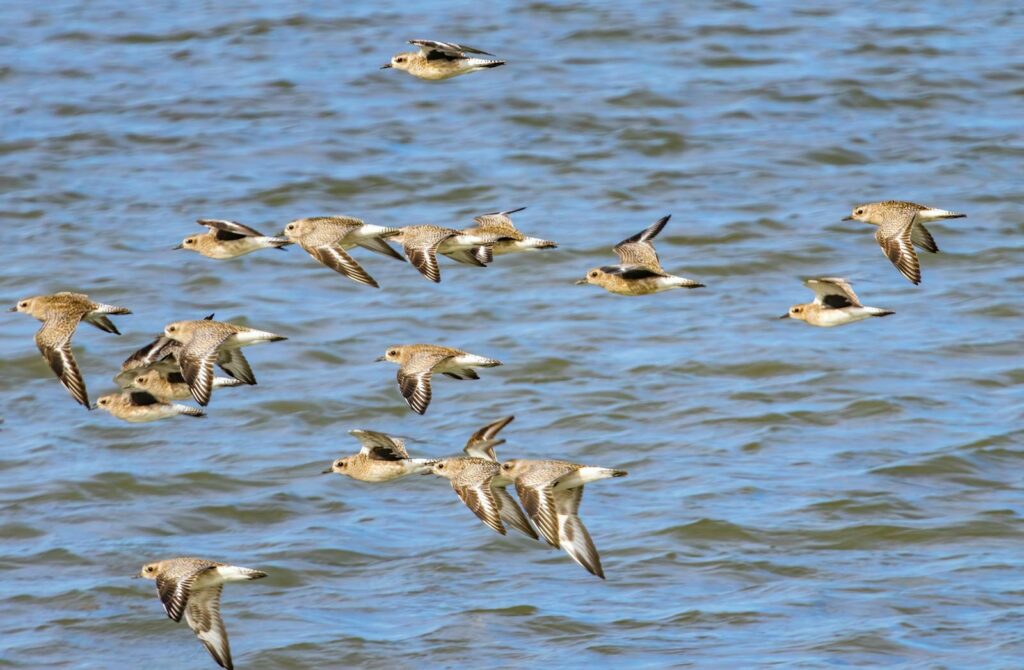
Our understanding of how climate change affects bird migration has been revolutionized by technological innovations in wildlife tracking and monitoring. Miniaturized GPS tags weighing less than a gram now allow scientists to track the movements of even small songbirds across their entire migratory journey, revealing precise routes, stopover locations, and timing with unprecedented detail. Automated radio telemetry networks like the Motus Wildlife Tracking System coordinate hundreds of receiving stations across multiple continents to detect the movements of birds fitted with lightweight radio transmitters. Weather radar networks have become valuable tools for studying bird migration at a continental scale, detecting the mass movements of birds and allowing researchers to correlate these patterns with changing climate conditions. Citizen science initiatives like eBird harness the observational power of millions of birdwatchers to document changes in species distribution and timing across the globe, providing a massive dataset that would be impossible for professional scientists to collect alone.
Conservation Implications and Adaptive Management

The shifting nature of bird migration in response to climate change creates significant challenges for conservation strategies traditionally based on fixed protected areas. Conservation planners are increasingly adopting more dynamic approaches that account for changing migration patterns and habitat needs. This includes protecting networks of stopover sites along migration corridors to provide alternative options as conditions change, and creating habitat connectivity to facilitate range shifts. Some wildlife refuges are implementing adaptive management practices, such as adjusting water levels to accommodate earlier or later arriving migrants. International cooperation has become even more critical, as effective conservation must span political boundaries to protect the full annual cycle of migratory species. Organizations like the Convention on Migratory Species are working to coordinate conservation efforts across countries, recognizing that the challenges facing migratory birds require global solutions matched to the continental scale of their journeys.
Birds as Environmental Indicators

The visible changes in bird migration patterns serve as powerful biological indicators of the broader impacts of climate change on ecological systems. Birds occupy diverse ecological niches across almost every habitat type on Earth, making their responses to climate change particularly informative about ecosystem-wide effects. Their mobility and visibility make changes in their distribution and timing relatively easy to detect compared to many other wildlife groups. The advanced tracking and monitoring systems developed for birds provide models for studying climate impacts on other mobile species. Perhaps most importantly, birds’ cultural significance and popularity make their changing migration patterns an effective way to communicate the reality of climate change to the public in tangible, observable terms. When familiar species no longer appear at expected times or familiar places, it provides a personal connection to global environmental change that can motivate conservation action in ways that abstract climate data often cannot.
As we witness the transformation of one of nature’s most spectacular phenomena—bird migration—we gain profound insights into both the resilience and vulnerability of natural systems facing climate change. Birds are demonstrating remarkable adaptability by shifting their timing, distances, and routes, yet these adjustments come with significant ecological costs and uncertainty. Some species will likely thrive in this new climate reality, while others face mounting challenges that may exceed their capacity to adapt. The changes we observe in bird migration serve as both warning and instruction—revealing the far-reaching impacts of our warming world while highlighting the urgent need for conservation approaches that anticipate and accommodate a dynamic future. By protecting habitat networks, reducing other threats to migratory birds, and addressing the root causes of climate change, we can help ensure that the ancient miracle of bird migration continues to unfold across our skies for generations to come.