
Birds, nature’s tireless travelers, often find themselves in need of rest during their extensive journeys across landscapes and continents. While we typically picture birds perching on branches or nesting in trees, these resourceful creatures frequently surprise us with their unconventional resting spots. From urban environments to remote locations, birds demonstrate remarkable adaptability when seeking temporary havens. This exploration into birds’ unexpected resting places reveals not only their ingenuity but also how they’ve adjusted to human-altered environments and found opportunities in the most surprising locations.
Urban Sculptures and Monuments
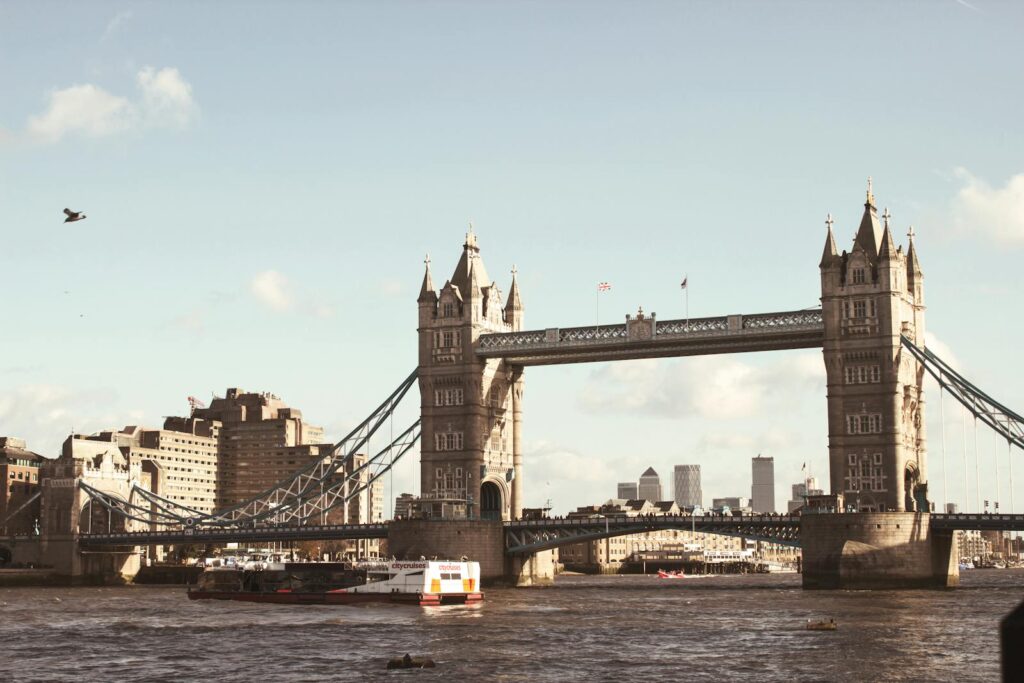
In bustling city centers where trees are scarce, birds have adapted to using human-made structures as temporary perches. Statues, monuments, and public art installations provide elevated resting spots that offer similar advantages to natural perches. The heads and outstretched arms of bronze figures often collect small populations of pigeons, sparrows, and starlings taking momentary breaks. These birds have learned that these immobile figures pose no threat, and the smooth surfaces warmed by the sun create comfortable resting zones. In many major cities, iconic statues have become so associated with their avian visitors that they’ve become part of the cultural landscape, with tourists often photographing the birds alongside the monuments they temporarily call home.
Moving Vehicles
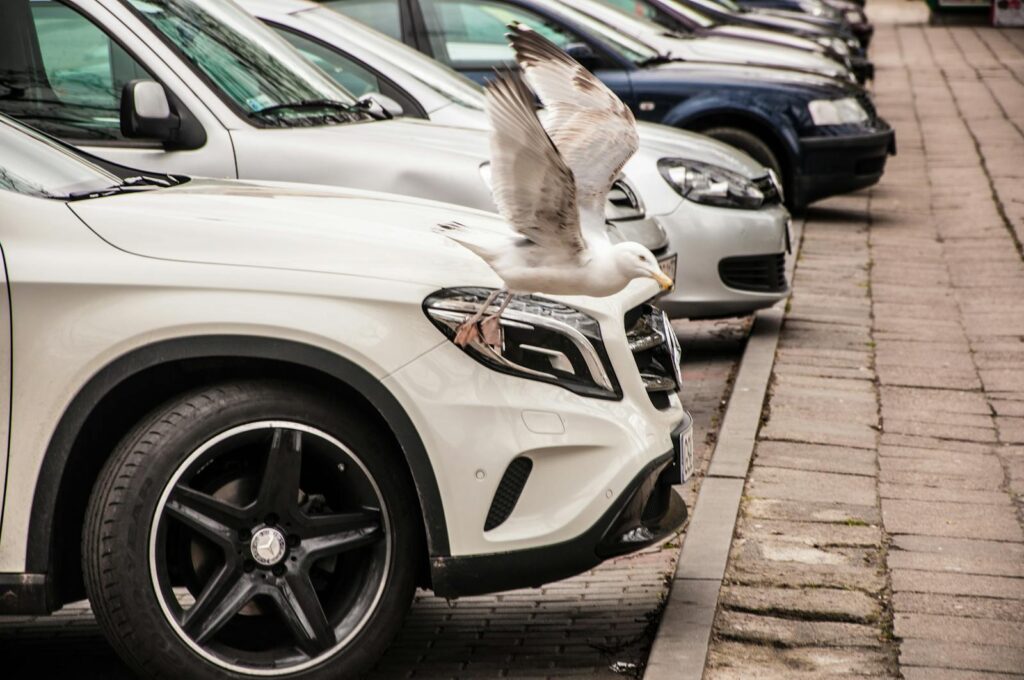
Perhaps one of the most surprising resting places for birds is atop moving vehicles. Seagulls have been documented riding ferries for extended journeys, seemingly understanding that the vessel is heading toward potential food sources. In rural areas, birds occasionally perch on slow-moving tractors to catch insects stirred up by the machinery. Urban pigeons and sparrows have been spotted hitching rides on subway trains as they enter and exit stations, using the brief moments of deceleration to hop on and off. This behavior demonstrates not only opportunism but a sophisticated understanding of human transportation systems, with birds essentially using our vehicles as their own form of transportation while conserving energy.
Industrial Equipment
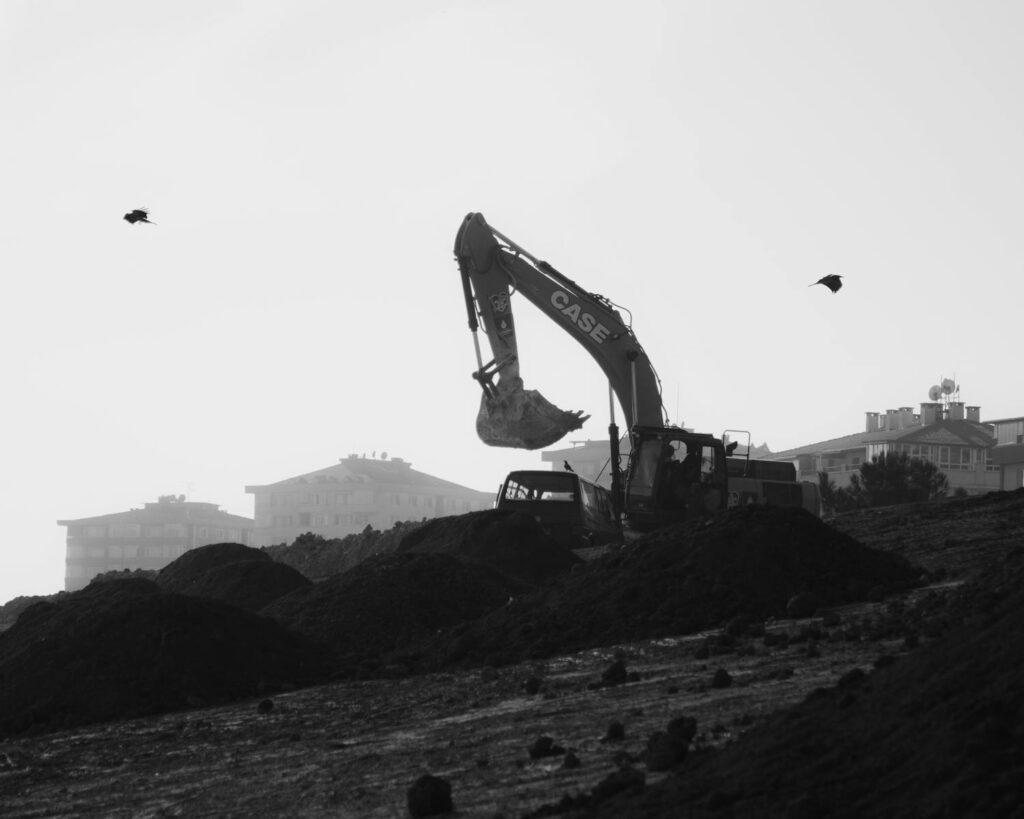
Construction sites and industrial zones, despite their noise and activity, often attract birds seeking rest and vantage points. Cranes, bulldozers, and other large machinery provide excellent elevated perches that give birds commanding views of their surroundings. During work breaks when the equipment sits idle, birds quickly colonize these metal giants, perching on hydraulic arms, cabins, and tracks. Industrial sites near water are particularly attractive to cormorants, herons, and other water birds that use tall equipment as lookout posts for fishing opportunities. Workers on these sites often report returning from lunch breaks to find their equipment temporarily occupied by feathered visitors who scatter as operations resume.
Backs of Large Animals
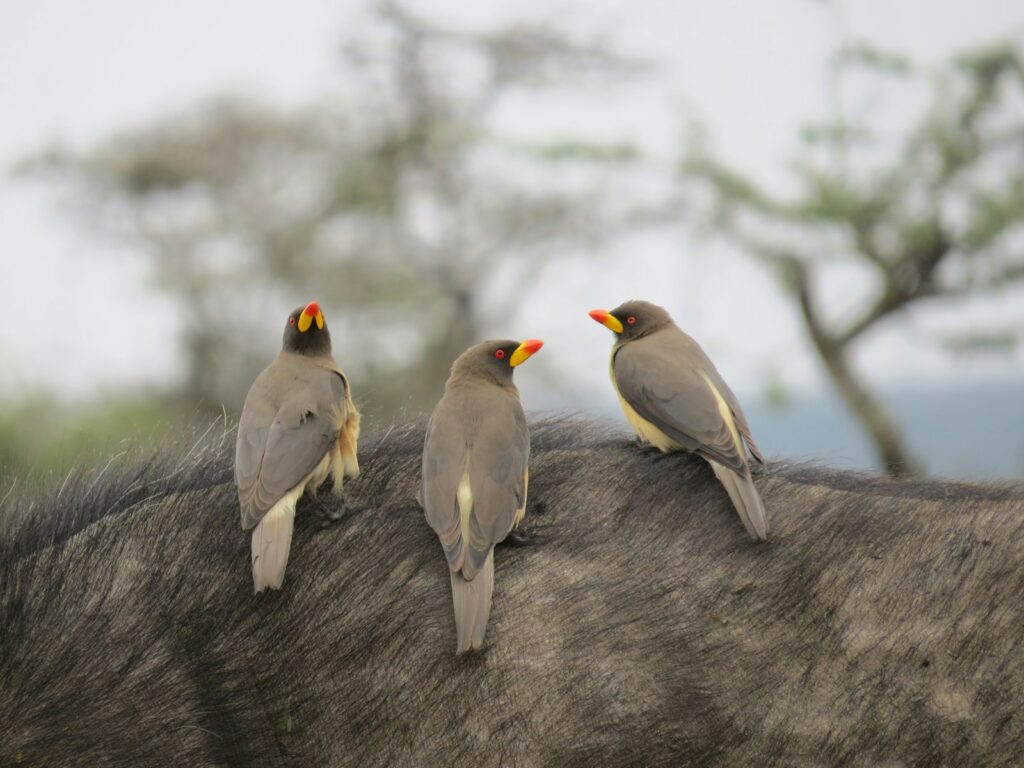
In a fascinating display of inter-species cooperation, some birds rest directly on the backs of large mammals. The classic example is cattle egrets perching on domestic livestock or wild buffalo, catching insects disturbed by the large animals’ movements. Oxpeckers in Africa maintain a similar relationship with rhinos and zebras, resting on their backs while performing the beneficial service of removing parasites. This symbiotic arrangement provides birds with both a mobile resting place and a continuous food source. Less commonly observed but equally remarkable are instances of small birds briefly landing on marine mammals like whales when they surface, using these brief opportunities to rest during long journeys over open water.
Solar Panel Arrays
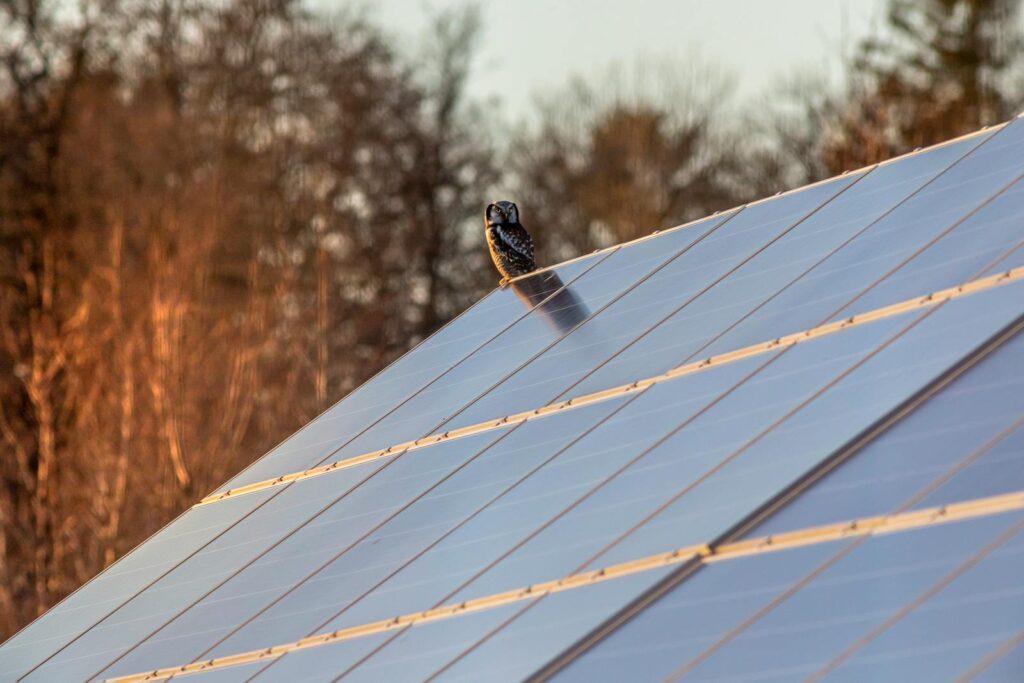
As renewable energy installations spread across landscapes, birds have discovered that solar panel fields make excellent resting locations. The dark surfaces of solar panels absorb heat, creating warm microclimates that are particularly attractive to birds during cooler weather. The elevated nature of many solar installations provides protection from ground predators, while the regular arrangement offers multiple perching options. Birds of prey like hawks and falcons particularly favor these installations as hunting perches, scanning the cleared areas beneath panels for small mammals and reptiles. This adaptation shows how quickly birds can identify and utilize new features in their environment, even when these structures have existed for just a few years.
Active Sports Fields
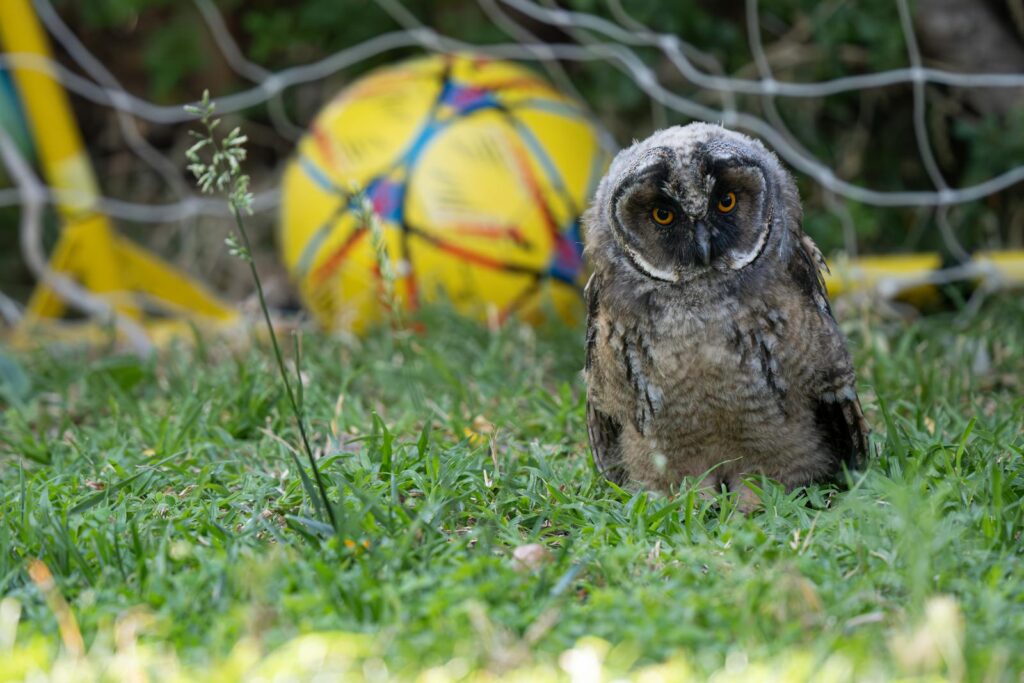
Despite the presence of human activity, birds frequently make brief stops on active sports fields during games and events. Seagulls are notorious for landing on baseball and cricket fields mid-game, seemingly unfazed by the action around them. During televised soccer matches, viewers occasionally witness birds landing briefly on the pitch, sometimes even interacting with the ball or players. These bold interruptions demonstrate birds’ opportunistic nature, as they take advantage of the insects stirred up by player movement or are attracted by discarded food in spectator areas. Sports organizations have occasionally needed to develop protocols for handling these feathered interruptions without harming the unexpected visitors.
Television and Radio Antennas
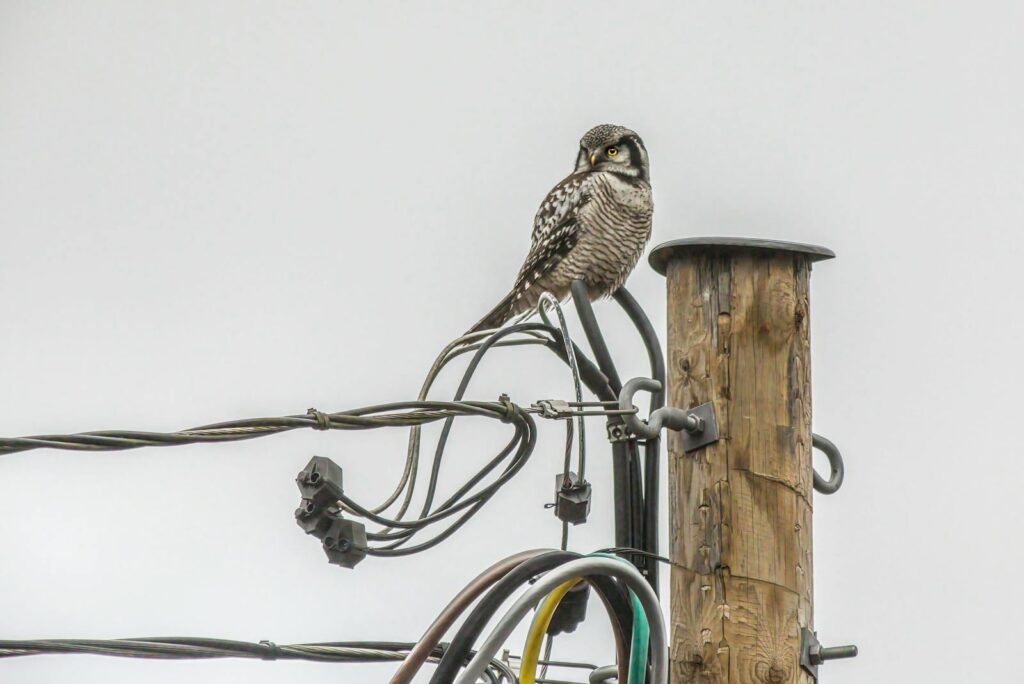
The proliferation of communication technology has inadvertently created ideal perching spots for birds across urban and suburban landscapes. Tall television antennas and satellite dishes offer high vantage points that mimic the natural elevated perches birds prefer for safety and surveying territories. These artificial structures have become particularly important stopover points for migratory birds navigating through developed areas with few trees. Birds of prey like peregrine falcons and hawks have shown particular preference for these metal structures, using them as hunting platforms in cities. The irony isn’t lost on ornithologists that while technology often displaces wildlife, these broadcasting tools have become critical infrastructure for urban bird populations.
Recently Landed Aircraft
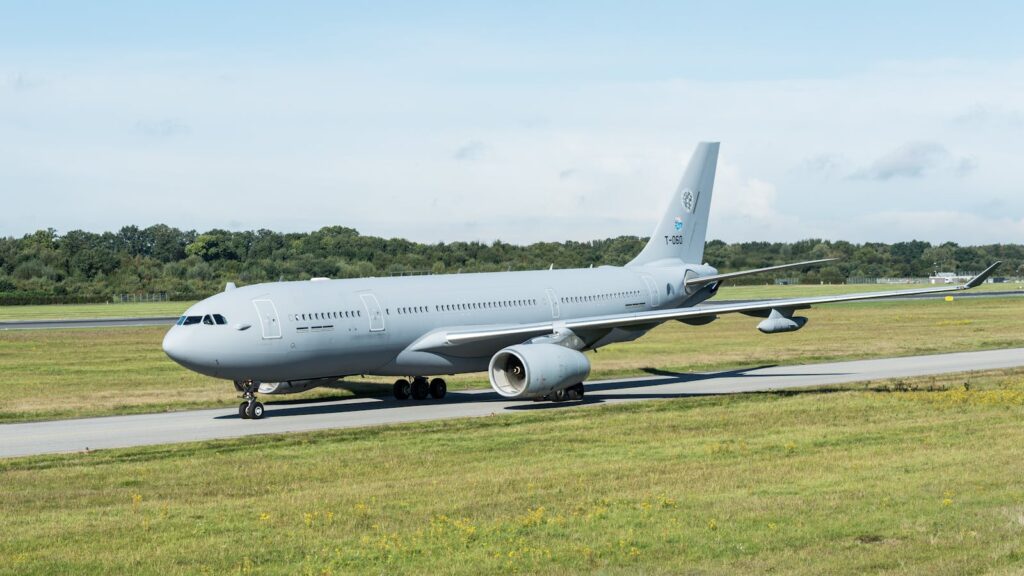
Airport personnel frequently encounter birds using recently landed aircraft as temporary resting places, creating both fascination and concern among aviation professionals. The warm engines and elevated wings provide attractive perching spots, particularly in airports located along migratory routes. Small passerines and even larger birds like gulls have been observed landing on planes during turnaround periods at gates. This behavior presents unique challenges for aviation safety, as birds must be discouraged from these resting spots before aircraft can safely depart again. Some airports have developed specific protocols involving non-harmful deterrent methods to manage these avian visitors without disrupting tight flight schedules.
Floating Debris in Oceans
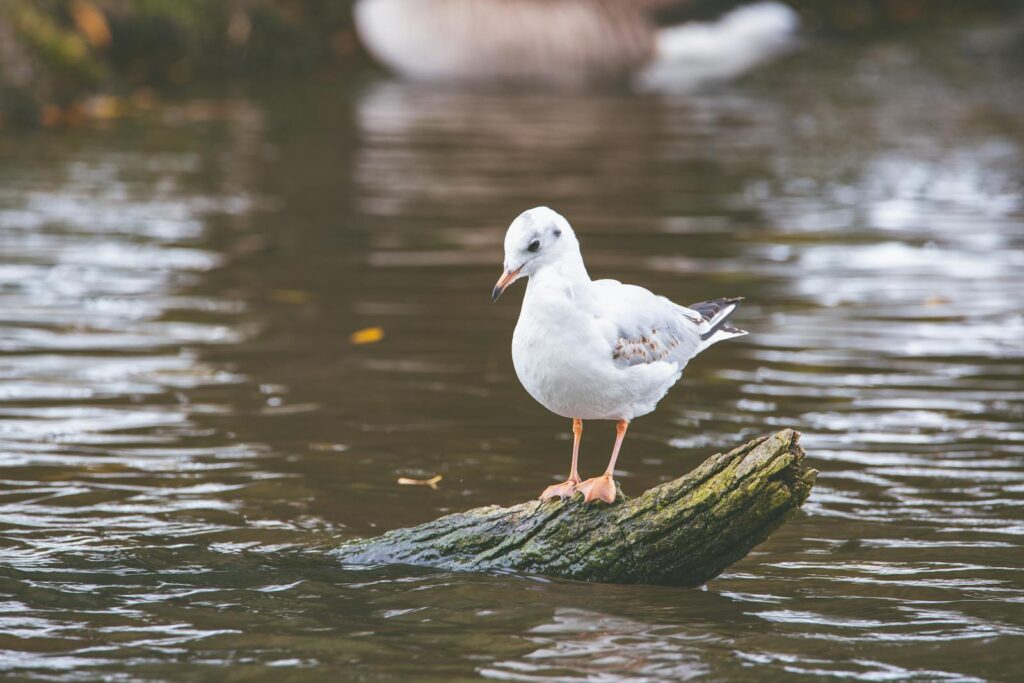
Open ocean birds face particular challenges finding rest during long journeys, leading to some of the most surprising adaptations in avian resting behavior. Seabirds including petrels, shearwaters, and albatrosses have been documented resting on floating debris ranging from natural driftwood to plastic waste and abandoned fishing equipment. These birds may sleep while floating on water, but solid objects provide valuable energy-saving opportunities during extended flights. Marine researchers have observed birds fighting over prime positions on floating objects, indicating the high value of these rare resting opportunities in the open ocean. Unfortunately, this adaptation has the negative consequence of increasing birds’ exposure to plastic pollution and entanglement risks.
Active Oil Rigs and Offshore Platforms
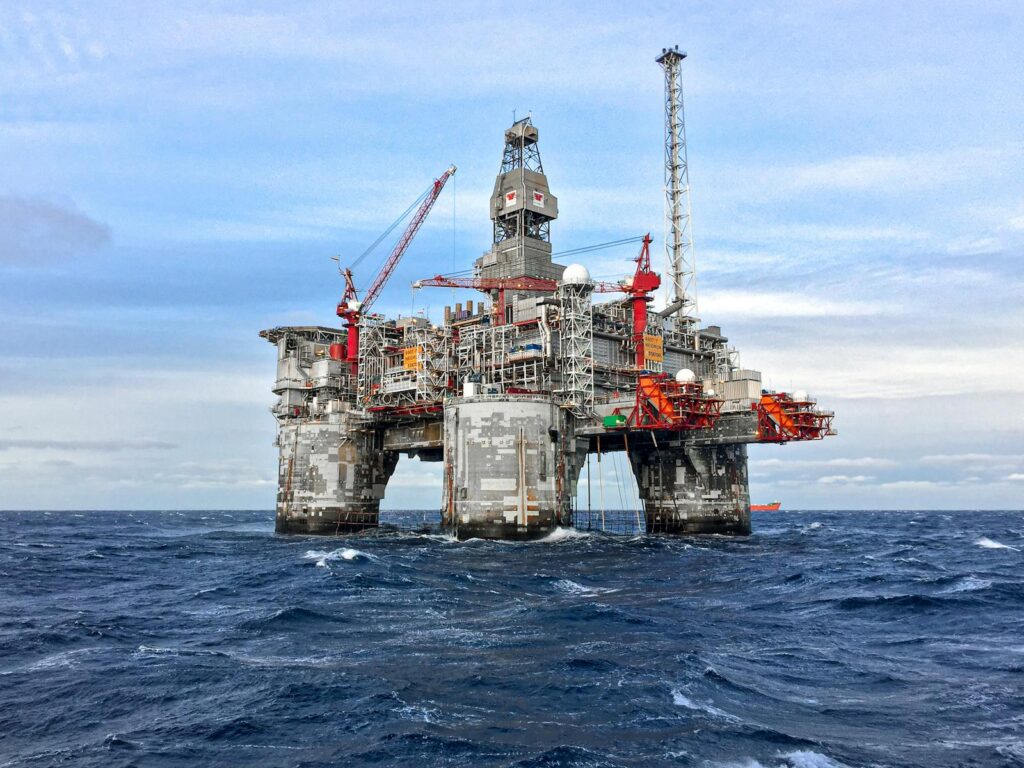
Offshore industrial structures serve as critical but unexpected rest stops for migratory birds crossing large bodies of water. Oil rigs, wind farms, and research platforms become artificial islands offering life-saving respite for exhausted birds that might otherwise perish during challenging sea crossings. Ornithologists studying this phenomenon have documented dozens of species using these structures, from tiny warblers to larger hawks and falcons. During peak migration periods, workers on these platforms report encountering hundreds of birds temporarily taking shelter, creating surreal scenes of natural wildlife amid industrial equipment. These observations have prompted some energy companies to install specific bird-friendly features on offshore structures, recognizing their unintended but important role in supporting bird migration.
Busy Shopping Centers
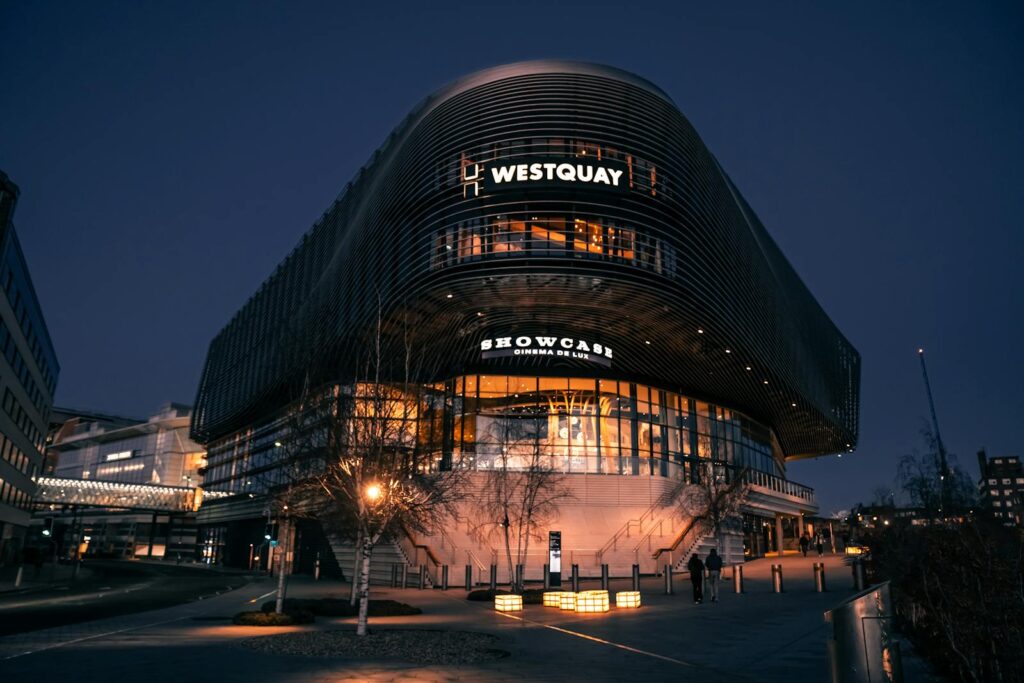
The controlled climate and protected environment of indoor shopping malls occasionally attract birds seeking shelter from harsh weather conditions. Birds enter through loading docks, ventilation systems, or when doors remain open, finding themselves in these unexpected indoor settings. Once inside, they often perch on decorative elements, store signage, or structural beams running along the ceiling. Mall management frequently needs to call in wildlife specialists to safely remove these visitors, though some birds become semi-permanent residents, surviving on food court scraps and indoor plantings. These indoor adventures reveal birds’ remarkable adaptability to human-created environments and their ability to find rest even in the most artificial settings.
The Human Body
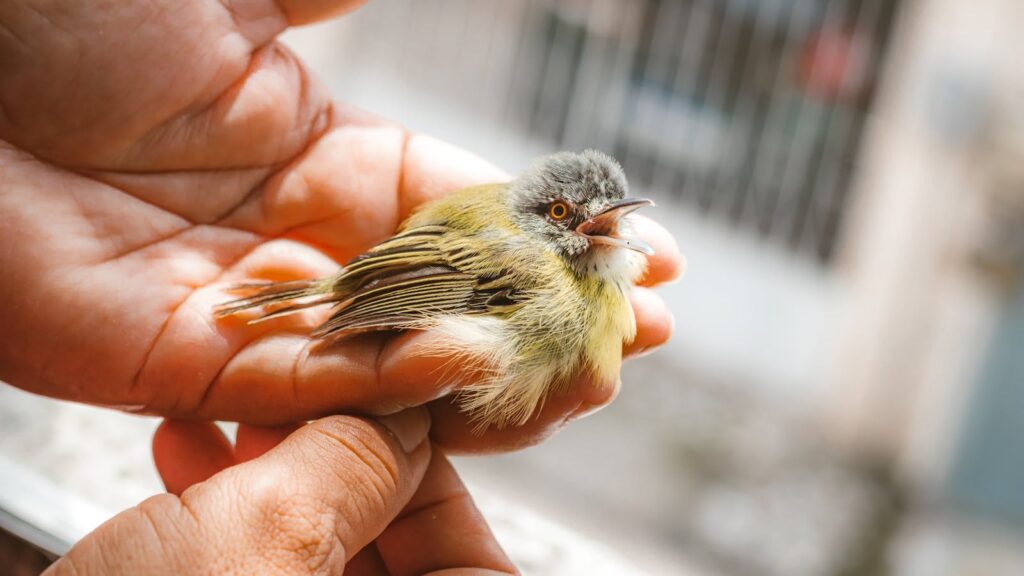
Perhaps the most intimate and unexpected resting place for birds is directly on humans themselves. Wildlife photographers, researchers, and outdoor enthusiasts occasionally experience birds landing directly on their heads, shoulders, or outstretched hands. In locations where birds have limited exposure to humans or have been gradually habituated, species including chickadees, robins, and even wild parrots may briefly perch on people they perceive as non-threatening. These magical encounters, though brief, create powerful connections between humans and wild birds. Bird sanctuary workers develop these relationships intentionally, with some individuals becoming so trusted by resident birds that they serve as regular living perches during feeding or socialization activities.
The remarkable adaptability birds display in finding resting places showcases their intelligence and resilience in an ever-changing world. From hitching rides on moving vehicles to repurposing our infrastructure as temporary homes, birds demonstrate an impressive ability to integrate human elements into their survival strategies. These unexpected resting spots not only provide fascinating glimpses into avian behavior but also remind us of our responsibility to consider wildlife when designing and managing our built environment. As we continue to transform landscapes, understanding how birds utilize these unconventional havens helps us create more bird-friendly spaces and maintain crucial connectivity for these essential members of our ecosystems.