

Migration is one of nature’s most spectacular phenomena, with billions of birds embarking on incredible journeys spanning continents each year. While these epic travels are fraught with numerous dangers, from storms to predators, one habitat stands out as particularly treacherous: deserts. These barren landscapes present a unique combination of challenges that make them the most hazardous terrain for migrating birds to cross. From extreme temperatures and scarce resources to navigational difficulties and physiological demands, desert crossings represent the ultimate test of avian endurance and survival. This article explores why these arid expanses have become dangerous bottlenecks in migration routes worldwide, and how climate change threatens to make these crossings even more perilous in the future.
The Physiological Challenge of Desert Heat

Desert crossings subject migrating birds to extreme temperature fluctuations that push their bodies to physiological limits. During daylight hours, temperatures can soar well above 100°F (38°C), forcing birds to expend precious energy on thermoregulation while simultaneously trying to maintain the high metabolic rates needed for sustained flight. Many species must shift their migration timing to fly predominantly at night when temperatures are cooler, but this introduces other challenges including navigation difficulties and increased predation risk. The extreme heat can lead to potentially fatal dehydration, as birds lose moisture through respiration and evaporative cooling. For smaller songbirds with higher surface-area-to-volume ratios, these thermal challenges are especially dangerous and can quickly become life-threatening if they cannot find shelter during the hottest parts of the day.
Water Scarcity and Dehydration Risks

The defining characteristic of deserts—lack of water—presents perhaps the most immediate threat to migrating birds. Unlike some mammals, birds cannot carry substantial water reserves, making them particularly vulnerable to dehydration during desert crossings. Most migratory species must rely on their body’s ability to metabolize fat into water, a process that produces about 1 gram of water for every 1 gram of fat metabolized, but this is rarely sufficient for long desert passages. Birds that become severely dehydrated experience increased blood viscosity, impaired flight muscle function, and diminished cognitive abilities, all of which compromise their migration abilities. Research tracking migrants crossing the Sahara Desert has documented alarming rates of water loss, with some birds losing up to 30% of their body mass during the crossing, pushing them dangerously close to lethal dehydration thresholds.
Food Scarcity and Energy Depletion
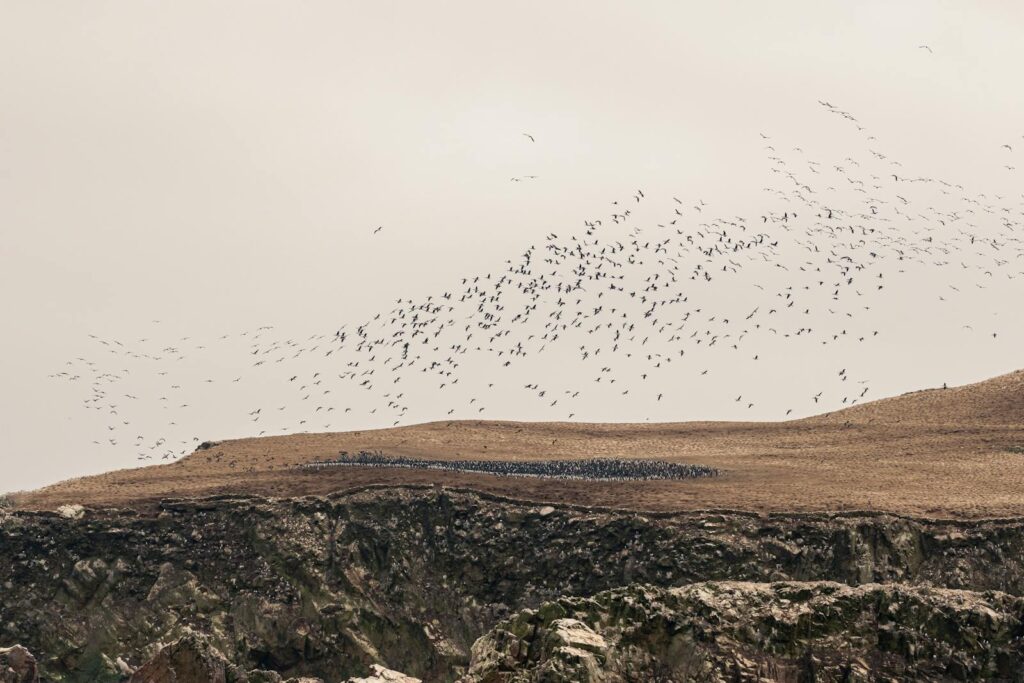
Deserts offer notoriously limited food resources, creating an energy supply challenge for migrating birds that must maintain high metabolic rates. Before attempting desert crossings, birds typically enter a state of hyperphagia, dramatically increasing their food intake to build fat reserves that will fuel their journey. However, these reserves are finite, and miscalculations can be fatal. For insectivorous and nectarivorous species, the scarcity of their preferred foods in desert environments means they cannot replenish energy along the way. Studies using tracking technology have revealed that many birds lose 50-60% of their pre-migration body mass during desert crossings, with mortality rates increasing significantly when birds begin their journey with insufficient fat stores. This energy limitation creates a precarious balance where any additional stressor—wind, heat, or navigation error—can deplete the bird’s resources beyond survivable limits.
Navigational Challenges in Featureless Landscapes
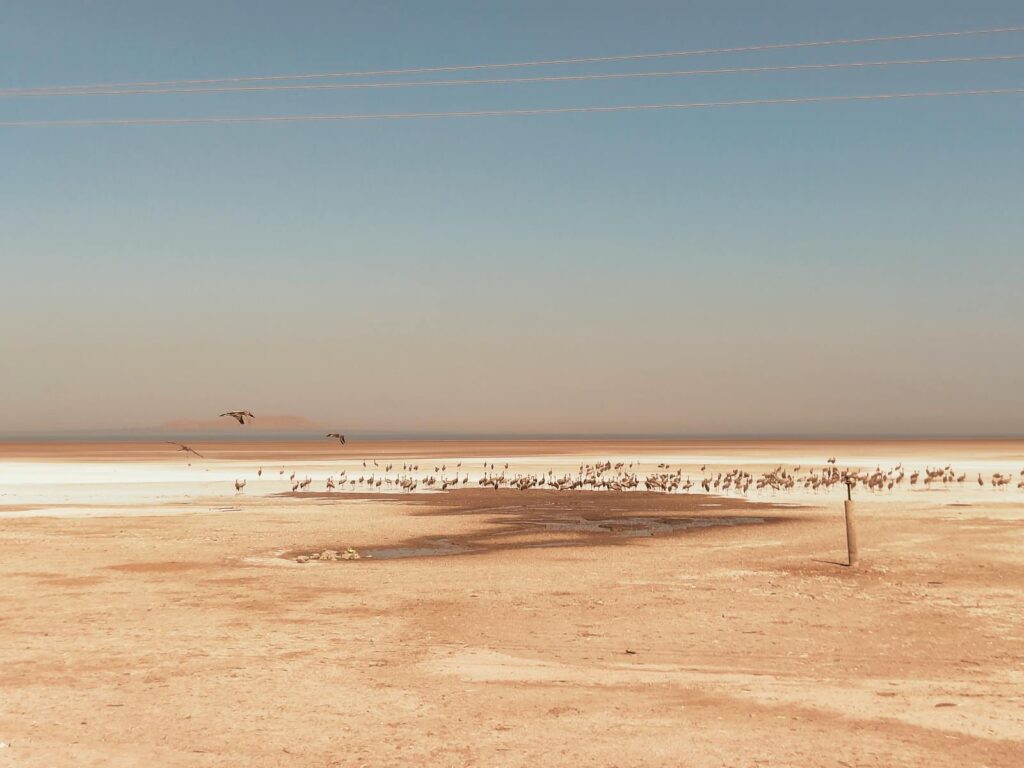
Deserts present unique navigational challenges that can disorient even the most experienced migratory birds. The relative uniformity and lack of distinctive landmarks in desert environments make visual navigation extremely difficult, forcing birds to rely more heavily on celestial cues and their magnetic sense. Sand and dust storms, common in desert regions, can obscure these celestial navigation aids and temporarily disable birds’ ability to orient correctly. Research using GPS tracking has documented birds making significant course corrections after dust storms, indicating periods of disorientation that cost precious energy and time. For inexperienced juvenile birds making their first migration, these navigational challenges are particularly dangerous, as they haven’t yet memorized the optimal routes and may stray into areas with even fewer resources or greater predation risk.
Sandstorms and Extreme Weather Events

Desert regions are prone to sudden, violent weather events that can prove catastrophic for migrating birds. Sandstorms can arise with little warning, creating conditions where visibility drops to near zero and winds exceed 50 mph, making flight difficult or impossible. Birds caught in such storms may be forced to land in unfamiliar territory, where they face increased predation risk and resource scarcity. The abrasive nature of sand-filled winds can damage birds’ plumage, reducing flight efficiency and impairing thermoregulation. Climate tracking studies have documented mass mortality events coinciding with major sandstorms along migration routes crossing the Sahara and Arabian deserts, with thousands of birds perishing in a single weather event. Even after storms pass, the altered landscape features can disorient birds, causing them to expend additional energy reestablishing their intended course.
Predation Risks in Exposed Environments

The sparse vegetation of desert landscapes offers little cover for migrating birds, exposing them to heightened predation risks. Raptors and other avian predators have adapted to patrol these open spaces, where migrating birds stand out against the barren background. Exhausted migrants are particularly vulnerable, as their depleted energy reserves limit their escape capabilities. Desert predators have evolved to capitalize on the predictable pulses of migrating birds, with some species timing their own breeding cycles to coincide with peak migration periods. Studies in the Sahel region bordering the Sahara have documented increased concentrations of raptors during migration seasons, with predation rates significantly higher than in more vegetated transit habitats. For smaller passerines crossing deserts, this predation pressure adds another layer of stress to an already challenging journey.
The Challenge of Finding Safe Stopover Sites
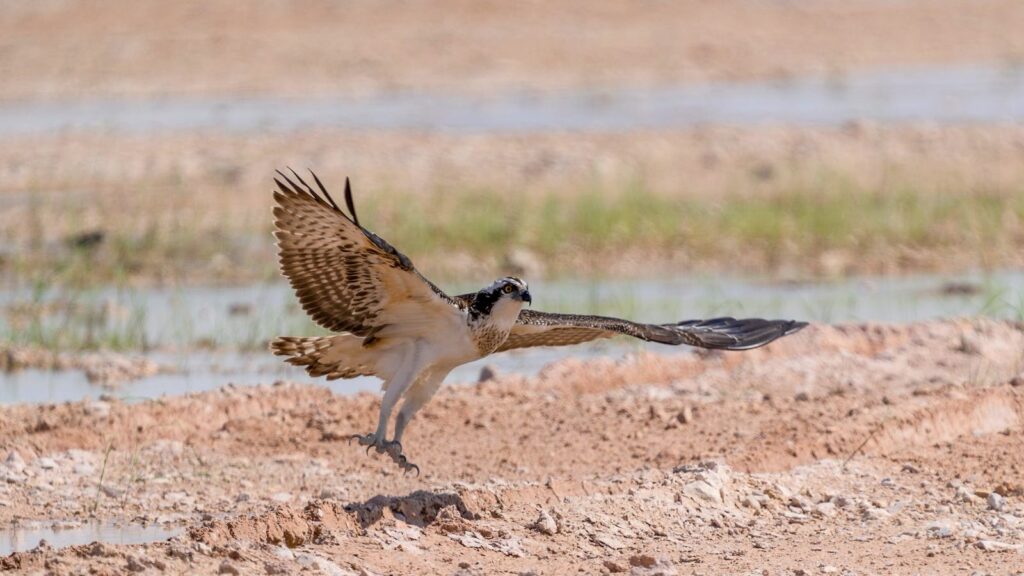
Suitable stopover habitats—areas where birds can rest and refuel—are critically scarce in desert environments, forcing many species to attempt non-stop crossings. Oases and other water features in deserts are few and far between, often separated by hundreds of miles of inhospitable terrain. These limited stopover sites create bottlenecks where large numbers of migrants concentrate, increasing competition for resources and exposure to predators and diseases. Research using satellite imagery combined with bird tracking data has identified these critical desert stopover locations as conservation priorities, as their degradation or loss can impact entire migration systems. For species that cannot physically complete a desert crossing in a single flight, the distribution and quality of these stopover sites directly determine migration success rates.
Human Development and Habitat Degradation
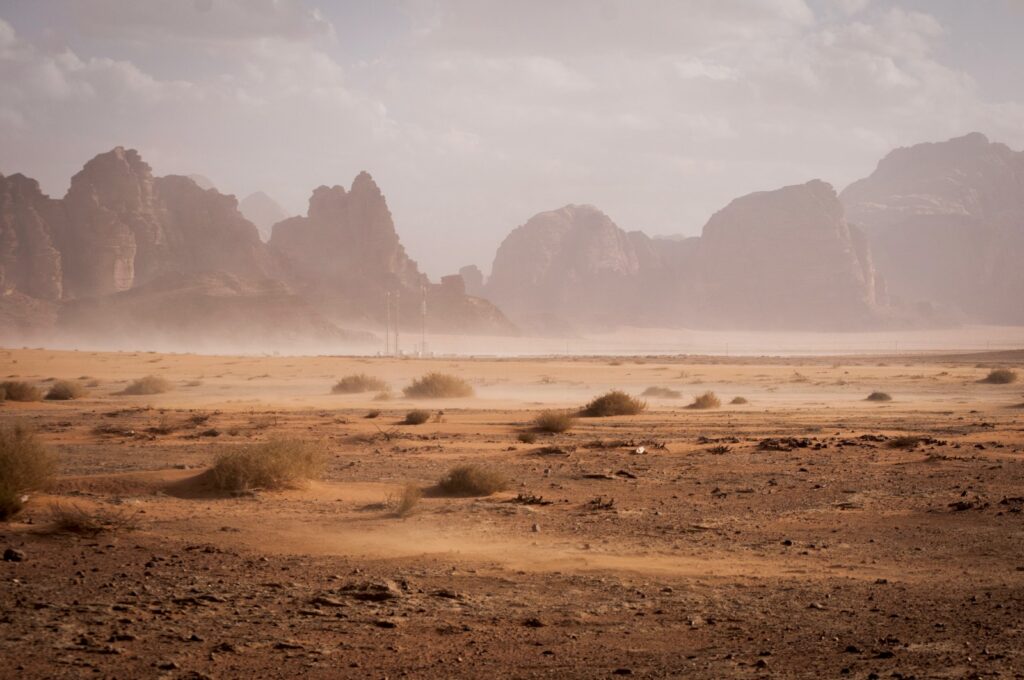
Human activities are increasingly encroaching on desert migration corridors, adding new hazards to already challenging crossings. Development of desert regions for agriculture, energy production, and urban expansion has eliminated or degraded many traditional stopover sites that once provided critical resources for migrating birds. Light pollution from desert developments disrupts nocturnal navigation, potentially leading birds off course or extending their journey durations. Military conflicts in desert regions like the Sahel and Middle East create additional hazards, with studies documenting altered migration patterns in areas of active conflict. Conservation efforts are complicated by the transboundary nature of migration routes, requiring international cooperation to protect the entirety of critical flight paths through desert regions.
Climate Change: Making Desert Crossings Even Riskier

Climate change is amplifying the risks of desert crossings through multiple mechanisms that threaten migratory birds. Rising temperatures are expanding desert regions through desertification, effectively widening the inhospitable barriers birds must cross. Increased frequency and intensity of heat waves subject migrants to longer periods of extreme physiological stress during crossings. Shifting precipitation patterns are altering the availability of already scarce water sources in desert environments, further complicating migration timing and route selection. Research modeling these climate impacts suggests that some traditional migration routes may become completely impassable within decades, forcing birds to either adapt rapidly or face population collapse. Species with limited adaptive capacity or those already declining for other reasons face particularly grave threats from these climate-driven changes to desert migration routes.
Physiological Adaptations for Desert Crossing
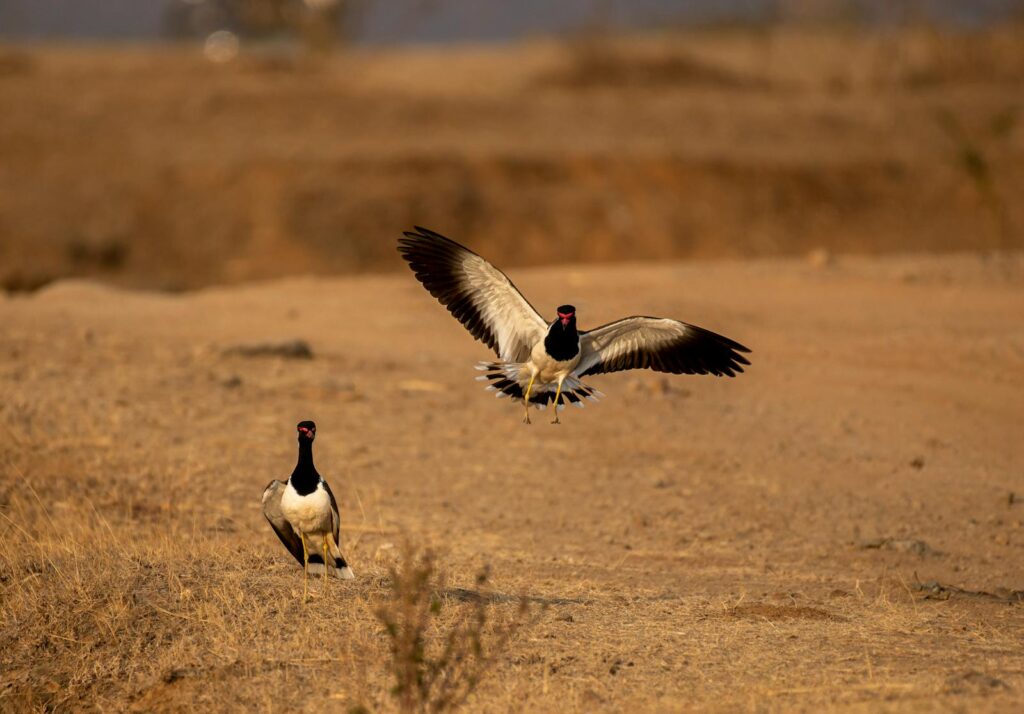
Some migratory bird species have evolved remarkable adaptations to improve their desert crossing success rates. Certain long-distance migrants can increase their pre-migration fat loads to over 50% of their total body weight, providing sufficient energy reserves for non-stop desert passages. Some species exhibit remarkable kidney adaptations that enhance water conservation, reducing dehydration risk during crossings. Bar-tailed godwits and other ultra-marathon migrants temporarily shrink non-essential organs before migration to reduce weight and energy demands during their journeys. Physiological studies have revealed that some migrants can enter controlled hypothermia during nighttime flights, reducing their metabolism and water loss while maintaining sufficient function for continued flight.
Behavioral Strategies for Desert Survival

Birds employ various behavioral strategies to mitigate the risks associated with desert crossings. Many species adjust their migration timing to coincide with slightly more favorable conditions, such as after rare rainfall events or during seasonal shifts in prevailing winds. Flocking behavior increases during desert crossings, with birds benefiting from collective navigation abilities and predator detection. Some migrants alter their daily activity patterns during desert passages, flying exclusively at night when temperatures are lower and resting in whatever minimal shade they can find during daylight hours. Research using geolocators has documented how some species make significant detours to avoid the most extreme portions of deserts, trading longer flight distances for reduced physiological stress and mortality risk.
Conservation Efforts to Protect Desert Migrants

International conservation initiatives are increasingly focusing on the unique challenges facing birds during desert migrations. The African-Eurasian Migratory Waterbird Agreement specifically addresses the conservation of desert wetlands and oases that serve as critical stopover sites for birds crossing the Sahara. Remote sensing technologies are being deployed to identify and monitor key desert migration corridors and stopover locations, allowing for more targeted conservation interventions. Conservation organizations are working with governments to establish protected corridors that span entire migration routes, including their desert components. Innovative approaches include the creation of artificial oases and water points strategically placed along migration routes to provide emergency resources during particularly harsh conditions.
Desert crossings represent the most formidable challenge in the already arduous journeys undertaken by migratory birds. The combination of extreme heat, water scarcity, limited food availability, navigational difficulties, and increased predation risk creates a perfect storm of hazards that results in significantly higher mortality rates compared to other migration segments. As climate change intensifies these challenges and human development continues to encroach on migration corridors, the plight of desert-crossing migrants becomes increasingly precarious. Understanding the specific mechanisms that make desert crossings so dangerous is crucial for developing effective conservation strategies that can help preserve these remarkable migratory journeys for future generations. The resilience of birds that successfully navigate these hostile landscapes speaks to the extraordinary adaptability of avian physiology and behavior, representing one of nature’s most impressive endurance feats.