

Seabirds have evolved remarkable strategies for survival, including the ingenious use of ocean currents to conserve energy during their extensive flights. These marine birds, ranging from albatrosses to petrels, have developed specialized techniques to harness the power of air currents that form above ocean waters. This fascinating relationship between seabirds and oceanic movements represents one of nature’s most elegant examples of adaptation. By taking advantage of the patterns and forces created by moving water masses, these birds can travel thousands of miles while expending minimal energy – a critical advantage in harsh marine environments where food resources may be scattered and unpredictable.
The Physics Behind Ocean-Generated Air Currents

Ocean currents create distinct patterns of airflow above the water’s surface that birds can exploit during flight. When water masses move, they interact with the air above them, creating predictable wind patterns including updrafts, downdrafts, and horizontal air movements. Temperature differences between water bodies generate thermal gradients that further influence air movement, creating reliable corridors of moving air. These dynamics are particularly pronounced where warm and cold currents meet, creating convergence zones with strong upward air movements. Seabirds have evolved to detect and utilize these invisible highways in the sky, essentially converting the ocean’s kinetic energy into free transportation.
Dynamic Soaring: The Albatross Specialty
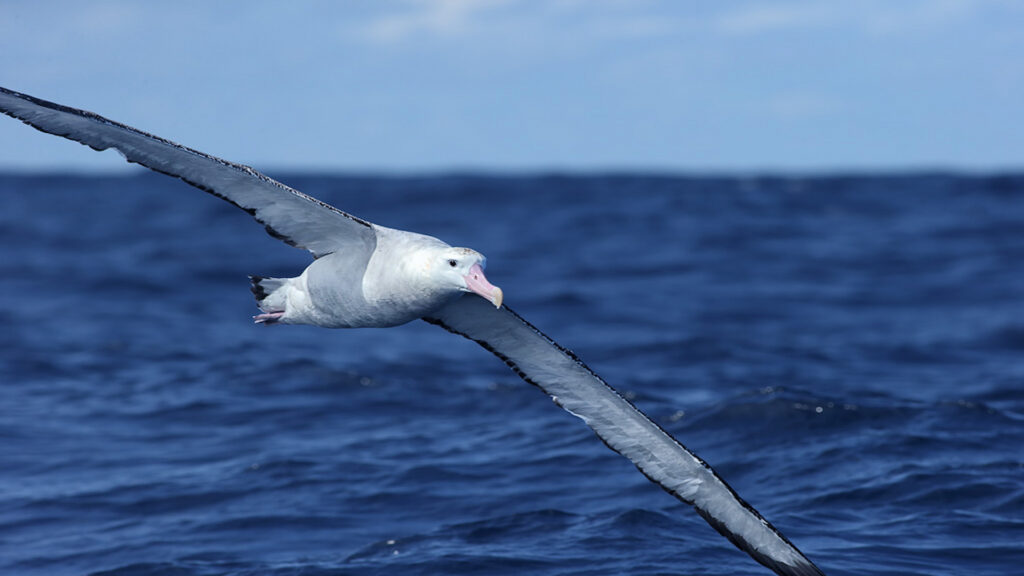
Albatrosses have perfected a technique called dynamic soaring that allows them to extract energy from wind shear over ocean surfaces. This method involves repeatedly crossing between air layers of different velocities – diving from faster-moving upper air into slower air closer to the water, then banking upward back into the faster airstream. By cycling between these layers, albatrosses can maintain flight speeds of over 50 miles per hour without a single wing flap for hours on end. Research has shown that heart rates of albatrosses during this type of flight barely rise above resting levels, indicating the extraordinary efficiency of this technique. A wandering albatross might travel over 10,000 miles in a single foraging journey while expending minimal metabolic energy thanks to this specialized flight pattern.
Slope Soaring Along Wave Fronts

Many seabirds utilize slope soaring techniques along the windward sides of ocean waves to gain lift without flapping. As wind strikes the face of a wave, it creates an updraft that birds can ride to maintain altitude with minimal effort. Shearwaters and petrels are particularly adept at this technique, often flying in a zigzag pattern just inches above the water surface to maximize their exposure to these wave-generated updrafts. During storms, these birds can utilize the more powerful updrafts created by larger waves to travel even more efficiently. This adaptation allows them to cover vast oceanic territories while hunting for food, giving them access to resources that would be energetically prohibitive to reach through powered flight alone.
Thermals and Oceanic Upwellings
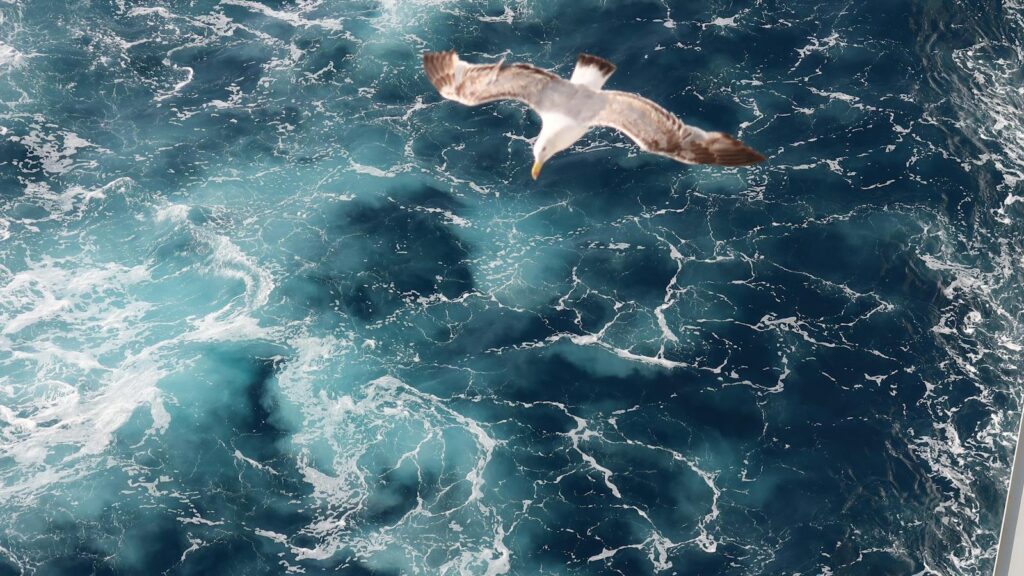
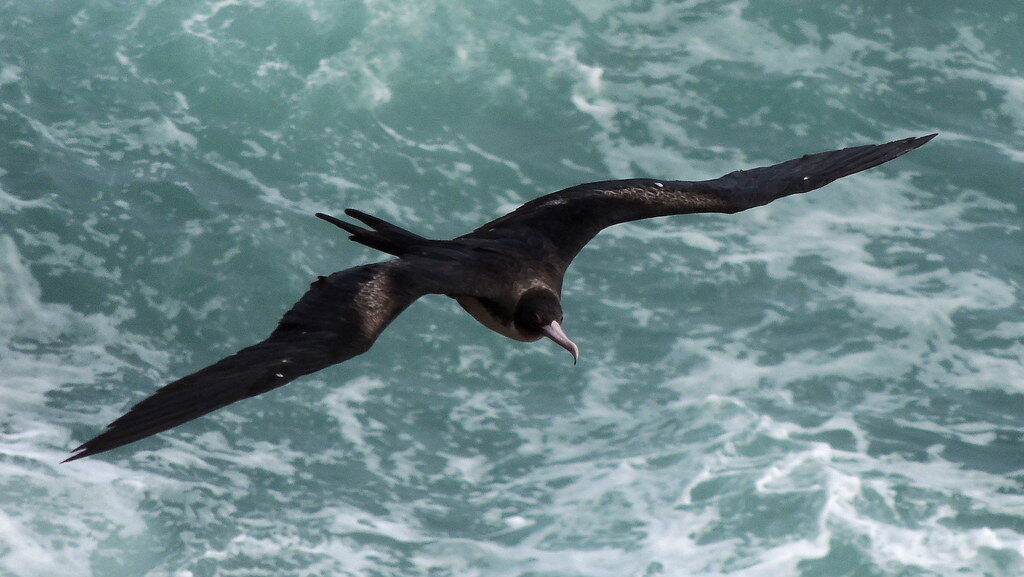
Oceanic upwellings occur when deep, nutrient-rich water rises to the surface, creating not only feeding opportunities but also thermal air currents that seabirds can exploit. These upwellings create columns of rising warm air that birds can spiral within to gain altitude with minimal wing flapping. Some species, like frigatebirds, have specialized in using these thermals to reach impressive heights before gliding long distances to new feeding grounds. Research using GPS trackers has documented frigatebirds climbing to altitudes exceeding 2,500 meters using these thermal columns. By linking together these rising air columns above nutrient-rich upwellings, seabirds effectively create energy-efficient flight paths that connect productive feeding zones across vast oceanic regions.
Frontal Soaring Along Ocean Boundaries
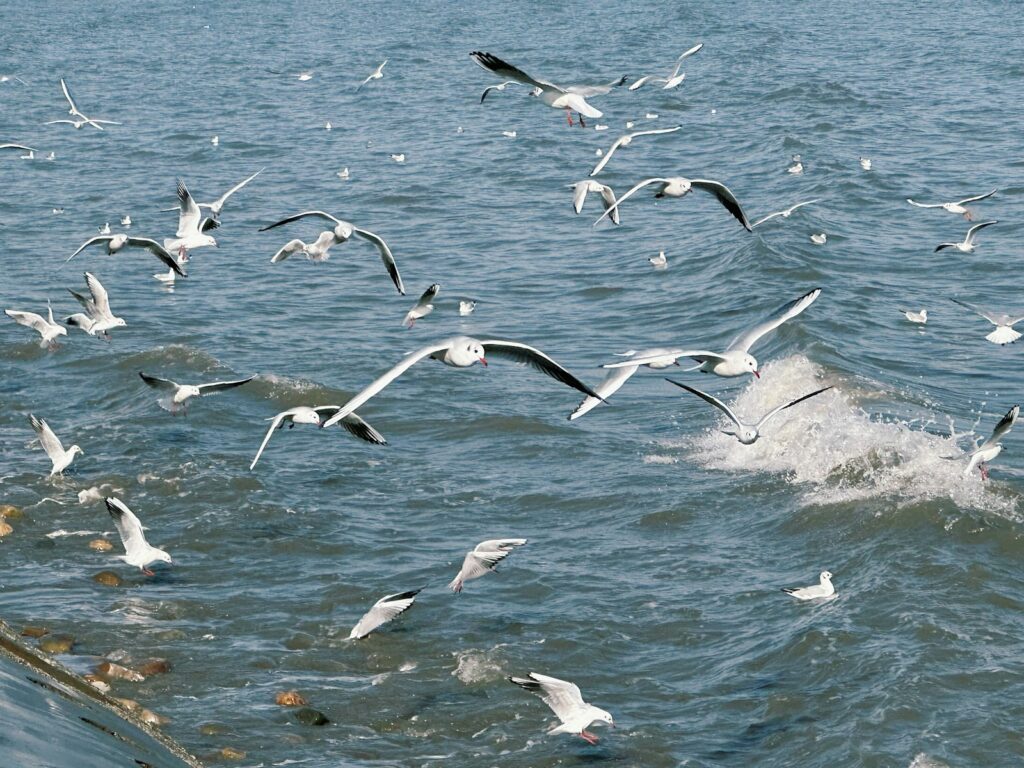
Where different water masses meet – such as at ocean fronts, eddies, or current boundaries – distinct air movement patterns form that provide seabirds with predictable flight assistance. These boundaries often create convergence zones where air is forced upward, providing birds with reliable lift. Many pelagic species deliberately seek out these oceanographic features during long migrations or feeding trips. Studies using satellite tracking have revealed that species like shearwaters and petrels will adjust their flight paths by hundreds of kilometers to follow these oceanic boundaries. For these birds, the energy savings gained by following these invisible atmospheric highways far outweighs the additional distance traveled compared to taking a direct route.
Seasonal Migration Strategies Using Current Systems
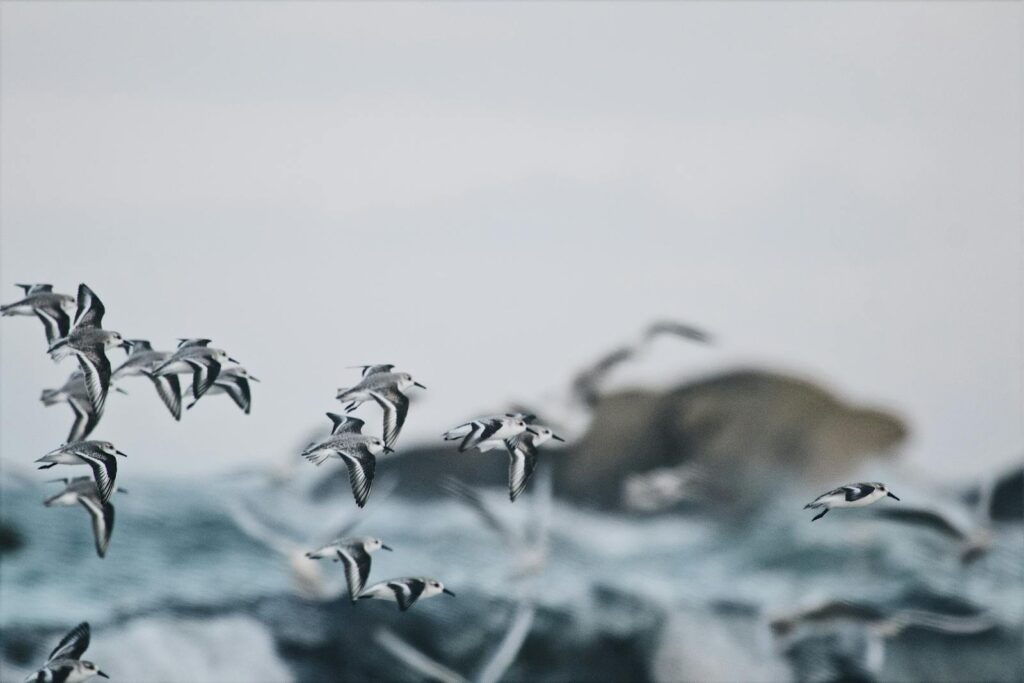
Many seabird species time their long-distance migrations to coincide with seasonal shifts in major ocean current systems and their associated air movements. For example, sooty shearwaters undertake one of the longest migrations of any bird, traveling from breeding grounds in the Southern Hemisphere to feeding areas in the Northern Pacific by following a figure-eight pattern that takes advantage of prevailing winds created by ocean circulations. These migrations, often exceeding 40,000 miles annually, would be energetically impossible without the assistance provided by current-generated wind patterns. By synchronizing their movements with these large-scale oceanic and atmospheric circulation patterns, seabirds significantly reduce the energetic costs of their extraordinary journeys.
Geolocator Studies Revealing Flight Efficiency

Modern tracking technologies have revolutionized our understanding of how seabirds utilize ocean currents for energy conservation. Lightweight geolocators and GPS tracking devices attached to birds have revealed astonishing flight efficiencies that were previously only theoretical. Data from tracked albatrosses shows that these birds can maintain heart rates only slightly above resting levels while covering hundreds of miles per day using dynamic soaring techniques. Some studies have calculated energy savings of up to 70% when birds utilize ocean-generated air currents compared to powered flight. These tracking studies have also revealed that seabirds will often make significant detours from direct routes to access favorable wind conditions, demonstrating the critical importance of these energy-saving techniques.
Morphological Adaptations for Current Exploitation
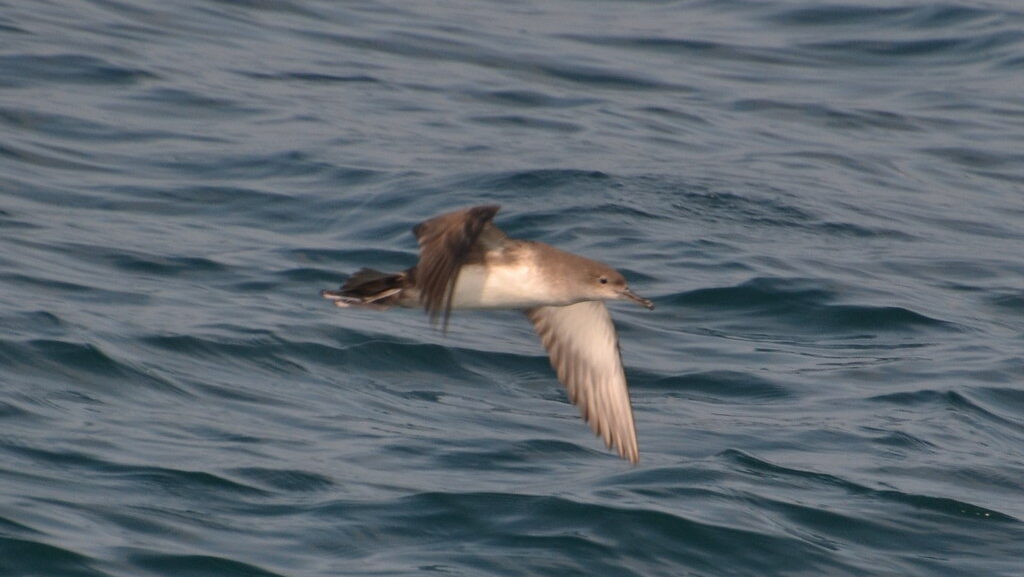
Seabirds that specialize in using ocean currents have evolved specific physical characteristics that enhance their ability to harness these energy sources. The exceptionally high aspect ratio wings of albatrosses – long, narrow, and rigid – are perfectly designed for dynamic soaring in the strong winds generated by ocean movements. Shearwaters and petrels have evolved wings that allow them to alternate between efficient gliding and quick, powerful flapping when necessary to maintain position relative to wave-generated updrafts. The tail structures of many ocean-going birds provide precise control surfaces for the fine adjustments needed when riding air currents at high speeds. These morphological adaptations represent millions of years of evolutionary refinement, resulting in flying machines perfectly matched to their oceanic environment.
Energy Conservation During Breeding Seasons
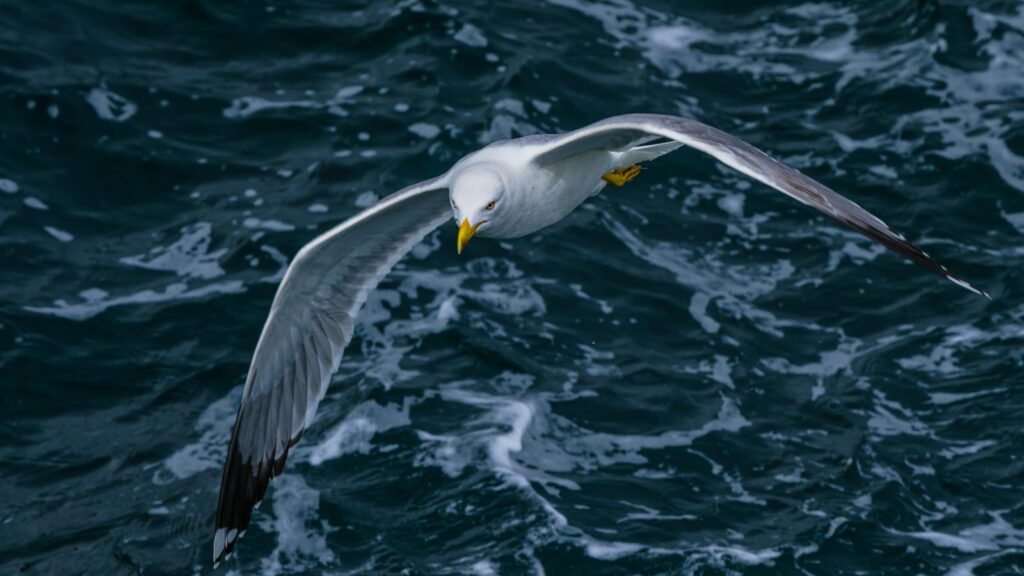
During breeding seasons, many seabirds must make repeated long-distance journeys between nesting colonies and feeding grounds, making energy efficiency paramount to successful reproduction. Parents must balance the energetic demands of their own survival with the need to return to the nest with food for hungry chicks. Species like the Laysan albatross nesting in Hawaii may travel to feeding grounds off Alaska, covering thousands of miles in a single foraging trip while using ocean-generated winds to minimize energy expenditure. Without these energy-saving flight techniques, many seabird species simply could not maintain the energetic balance required for successful breeding. The ability to exploit ocean currents effectively can determine whether a breeding season results in healthy fledglings or widespread nest failure.
Climate Change Impacts on Current-Dependent Flight
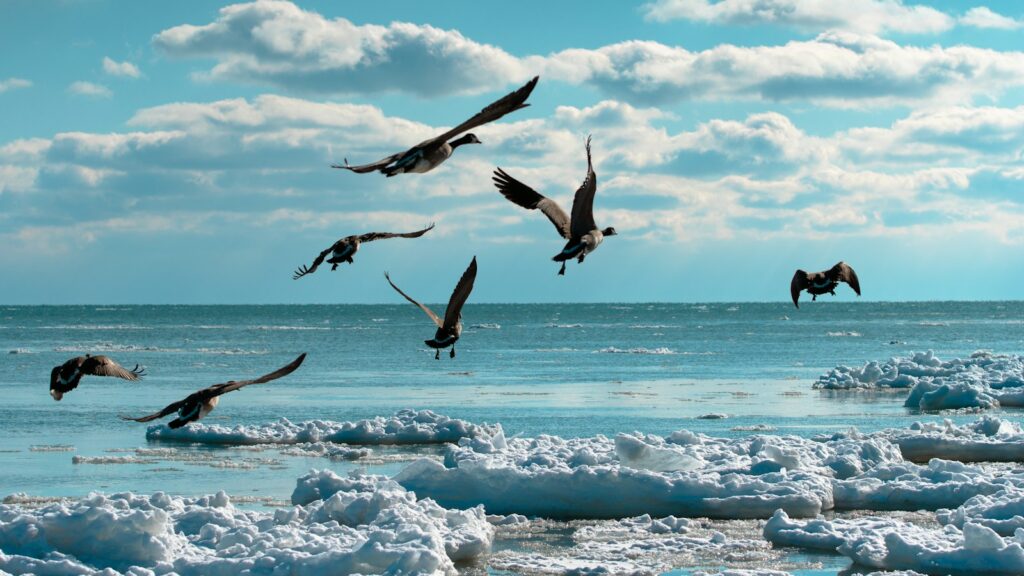
Climate change poses significant threats to seabirds through alterations in the ocean current systems they depend upon for efficient flight. As sea surface temperatures rise and circulation patterns shift, the predictable wind patterns seabirds have evolved to utilize may become less reliable or change location. Some models predict weakening of major current systems like the Gulf Stream, which could fundamentally alter the flight dynamics seabirds have evolved to exploit. For species already living on tight energy budgets, these changes could force longer powered flights, reducing breeding success and overall population viability. Research tracking black-browed albatrosses has already documented changes in foraging patterns that correspond to shifts in wind fields associated with climate oscillations.
Learning and Cultural Transmission of Flight Techniques
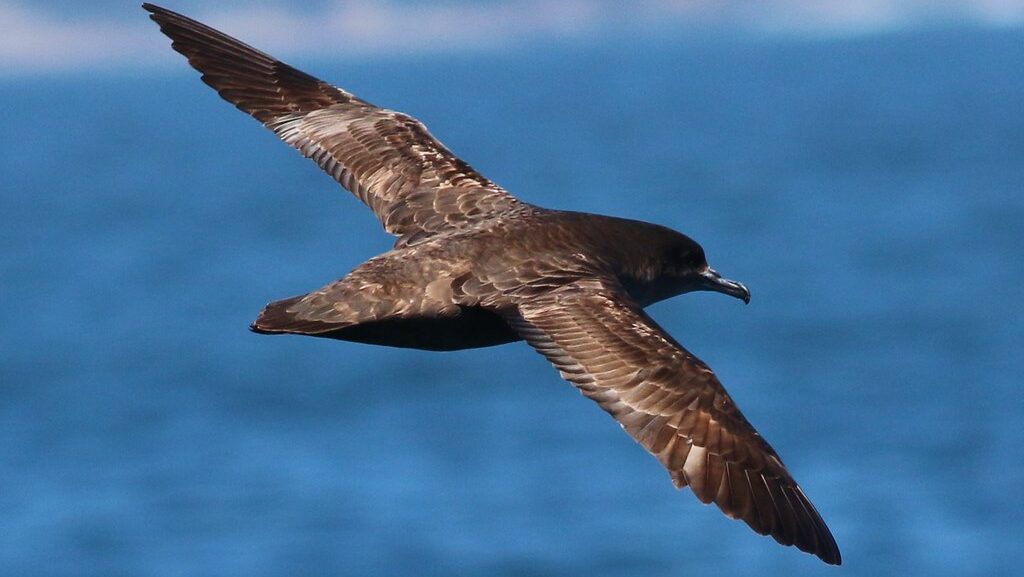
Evidence suggests that young seabirds must learn the complex techniques required to effectively use ocean currents for energy-efficient flight. Juvenile albatrosses, for example, typically spend their first years at sea perfecting the challenging timing and positioning required for effective dynamic soaring. Studies comparing flight paths of inexperienced birds versus adults show clear differences in efficiency and ability to exploit favorable wind conditions. This learning period represents a critical phase in seabird development, with survival likely dependent on mastering these specialized flight techniques. Some researchers theorize that there may even be cultural transmission of specific flight routes that offer optimal current exploitation, passed from generation to generation within seabird populations.
Conservation Implications of Current-Dependent Flight
Understanding how seabirds utilize ocean currents has important implications for marine conservation efforts. Marine protected areas designed without considering the air currents seabirds depend upon may fail to adequately protect critical habitat these birds need for efficient travel. Offshore wind farms, while important for renewable energy, must be carefully sited to avoid disrupting key wind corridors that seabirds rely upon during migration or feeding trips. Conservation strategies that integrate knowledge of oceanic processes with seabird flight requirements are more likely to successfully protect these remarkable birds. By protecting both feeding areas and the energetic pathways connecting them, conservationists can ensure seabirds maintain access to the energy-saving flight techniques that make their oceanic lifestyle possible.
The remarkable relationship between seabirds and ocean currents represents one of nature’s most elegant examples of evolutionary adaptation. By developing specialized flight techniques and physical characteristics that allow them to harness energy from moving air masses generated by ocean movements, these birds have conquered one of Earth’s most challenging environments. This interdependence between oceanic processes and avian flight not only showcases the incredible efficiency of natural selection but also highlights the vulnerability of these systems to environmental change. As we continue to advance our understanding of these complex relationships through modern tracking technologies and field studies, we gain not only scientific knowledge but also crucial insights needed to protect these magnificent birds and the invisible highways they travel above our world’s oceans.