
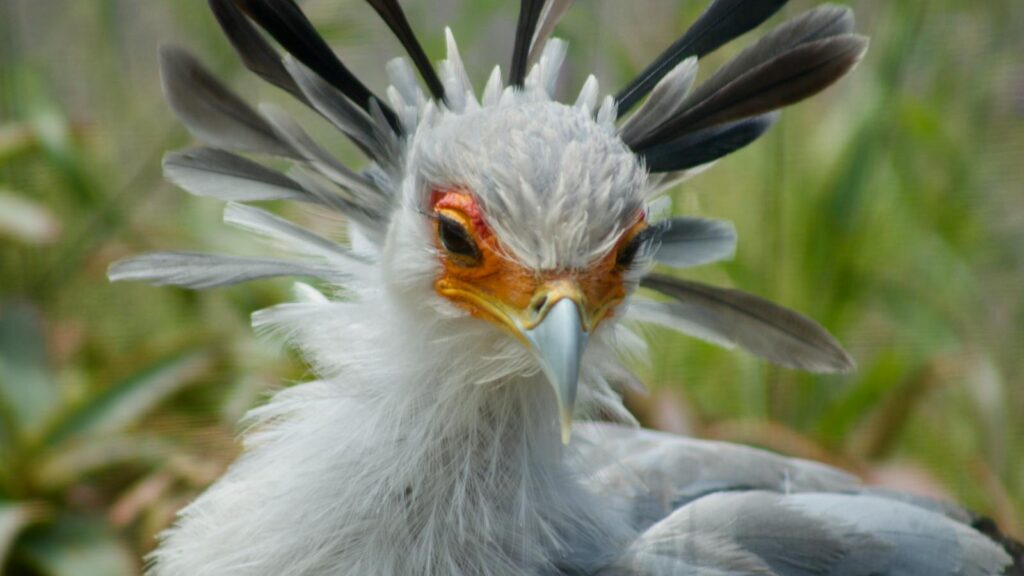
The secretary bird, with its distinctive appearance and hunting methods, stands as one of Africa’s most fascinating avian predators. Most people recognize these birds for their striking appearance – long legs, eagle-like head, and peculiar crest feathers resembling quill pens (which gave rise to their name, reminiscent of secretaries with quills tucked behind their ears). However, what truly makes these birds remarkable is their unique hunting technique. Rather than swooping down on prey like typical raptors, secretary birds are famous for their powerful, precise stomping attacks. This behavior, while seemingly straightforward, conceals fascinating evolutionary adaptations, specialized physical characteristics, and surprising ecological advantages that have allowed these birds to thrive in the grasslands of Africa. This article delves into the lesser-known aspects of the secretary bird’s remarkable stomping behavior – revealing scientific insights that showcase nature’s ingenious solutions to survival challenges.
The Extraordinary Force Behind Each Stomp
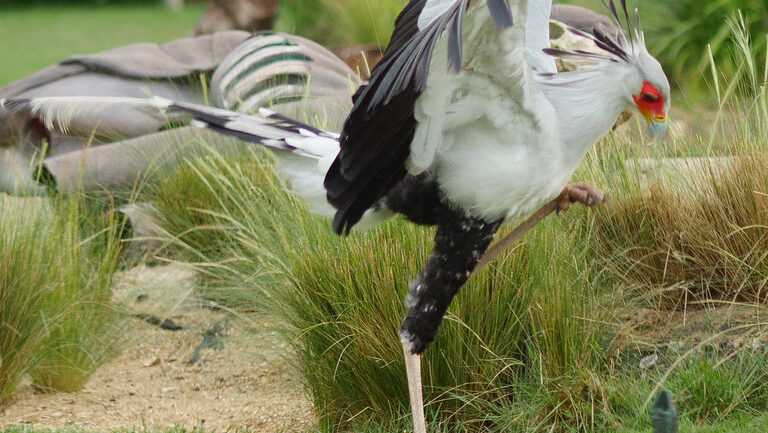
When a secretary bird strikes, it delivers a blow with astonishing force for its size. Scientific measurements have revealed that these birds can stomp with a force five times their body weight, generating impact speeds of up to 6 meters per second. This controlled violence happens in just 15 milliseconds – faster than the human eye can effectively track. Researchers from the Royal Veterinary College discovered that this force is sufficient to kill venomous snakes instantly, preventing any chance of retaliation. What makes this even more remarkable is that secretary birds weigh only about 4 kilograms (8.8 pounds), yet their specialized legs function like precision hammers, delivering concentrated force to a small impact area with surgical accuracy.
An Evolutionary Adaptation for Dangerous Prey
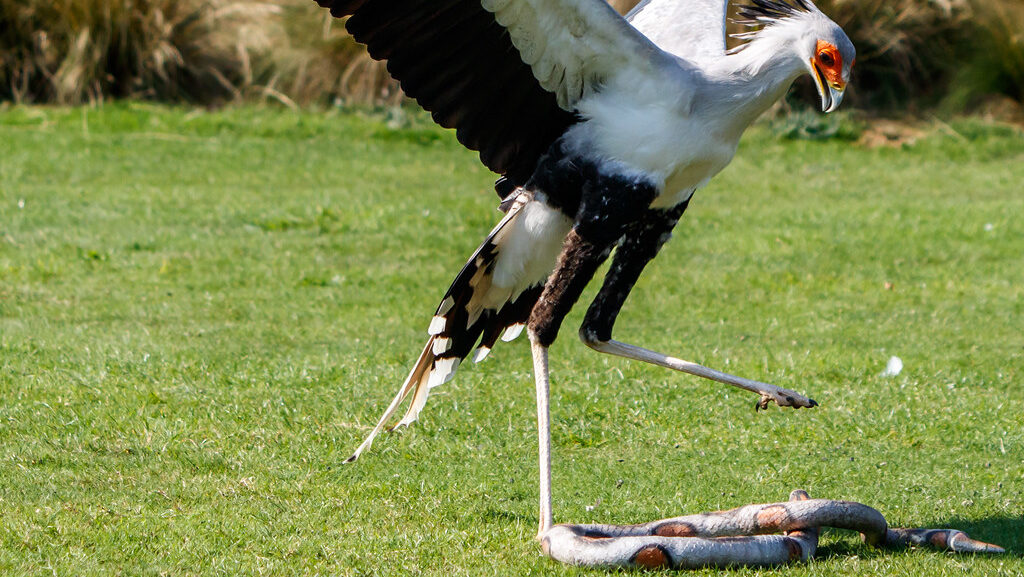
The stomping technique evolved specifically as a safe approach to handling dangerous prey. Secretary birds frequently target venomous snakes, including cobras and black mambas, which pose a lethal threat to most predators. By using their long legs to attack from a distance, these birds maintain a crucial safety buffer between themselves and potentially deadly fangs. This evolutionary strategy represents a remarkable solution to the challenge of exploiting dangerous but nutritious food sources. Other predators might avoid venomous snakes entirely, but secretary birds have developed this specialized method that minimizes risk while maximizing hunting success. This adaptation demonstrates a fascinating example of coevolution between predator hunting techniques and dangerous prey.
The Role of Specialized Leg Anatomy
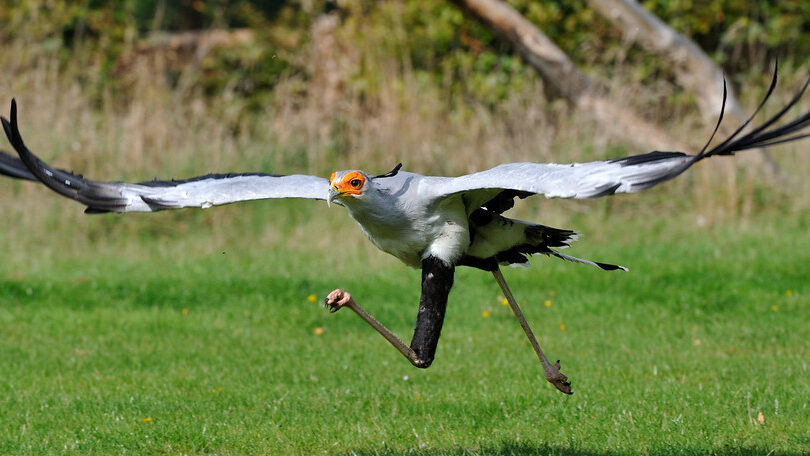
Secretary birds possess highly specialized leg anatomy that makes their stomping attacks possible. Their legs are not only exceptionally long for a raptor but also feature thick scales that serve as natural armor against snake bites. Inside these remarkable limbs, specialized tendons and muscles allow for explosive strikes while maintaining perfect balance. The birds’ leg bones are unusually thin yet strong, reducing weight while maximizing striking speed through reduced inertia. Most surprisingly, their ankle joints contain specialized shock-absorbing structures that prevent injury during repeated high-impact strikes. This complete anatomical package represents millions of years of evolutionary refinement specifically directed toward this unique hunting method.
The Precision Targeting System
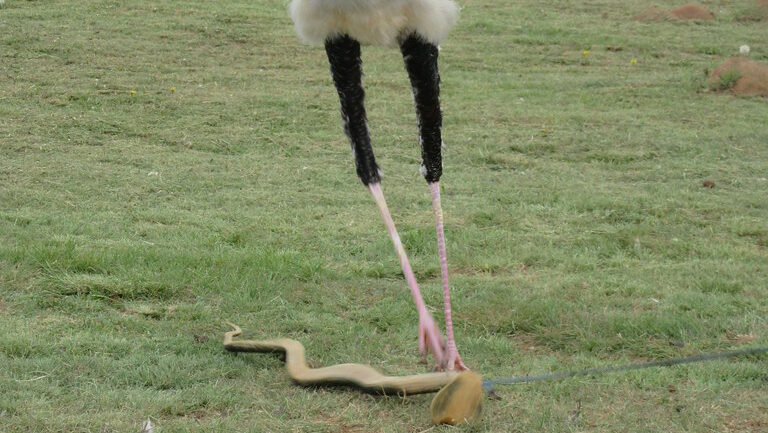
Secretary birds don’t just stomp with force – they stomp with remarkable precision. High-speed video analysis has revealed that these birds target specific points on their prey, often aiming directly for the head or neck region of snakes. This precision requires extraordinary visual acuity and spatial awareness, with the birds demonstrating an ability to track fast-moving targets while simultaneously positioning their striking foot. Research indicates they can adjust their strikes in mid-action, recalibrating if the prey suddenly changes direction. Even more impressively, secretary birds appear to possess an intuitive understanding of snake anatomy, preferentially targeting the most vulnerable regions to achieve quick kills. This combination of visual processing, motor control, and tactical targeting represents one of the most sophisticated hunting systems in the avian world.
The Energy Efficiency Advantage
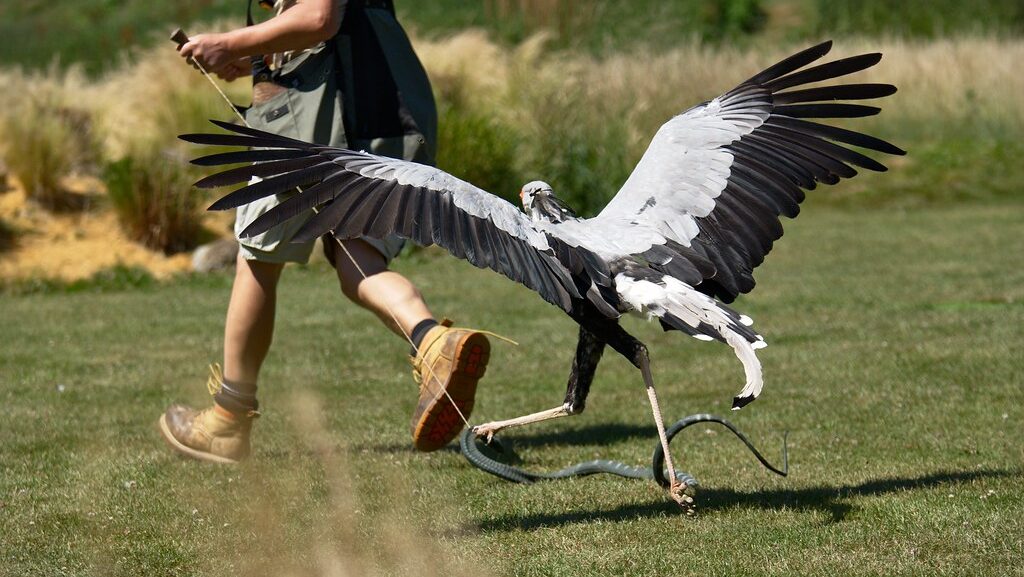
One of the most surprising aspects of the stomping technique is its remarkable energy efficiency. Unlike aerial hunting birds that must expend enormous energy in flight to catch prey, secretary birds use a relatively low-energy approach. Their methodical walking hunting style allows them to cover large territories while conserving energy between strikes. Bioenergetic studies suggest that secretary birds expend approximately 30% less energy per successful kill than comparable aerial hunters. This efficiency becomes particularly valuable in arid grassland environments where prey may be sparse and widely distributed. The stomping technique essentially represents an evolutionary solution to the challenge of hunting efficiently in open habitats where hiding and ambush tactics would be ineffective.
A Multi-Purpose Hunting Tool
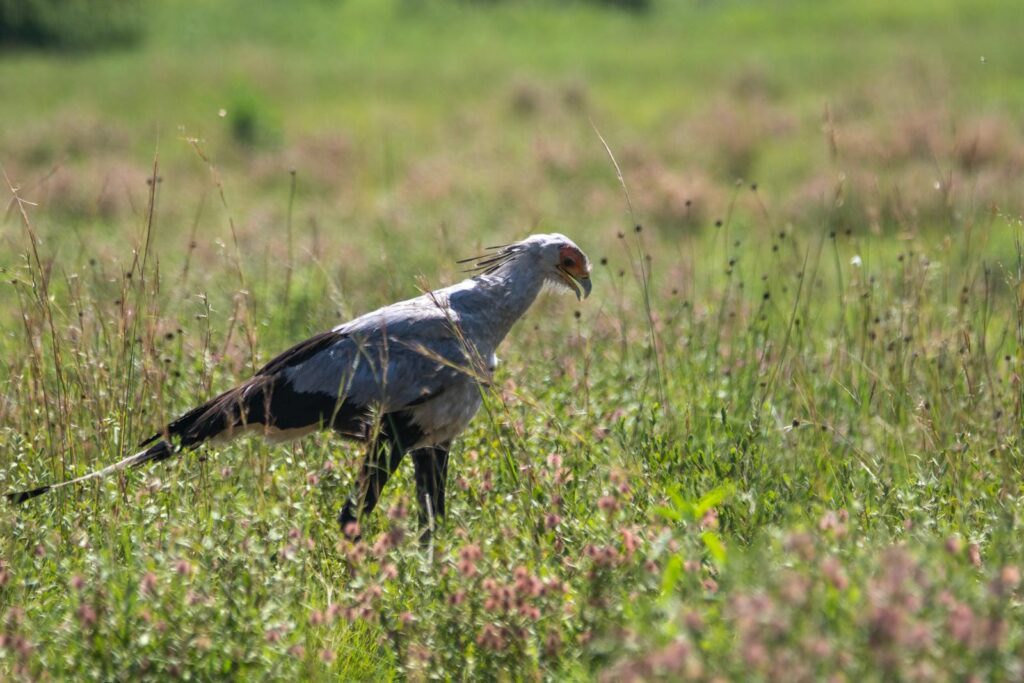
While snake hunting receives the most attention, secretary bird stomping serves as a versatile technique for capturing various prey types. These adaptable birds use the same basic stomping motion to flush out hidden prey from grass or burrows, effectively transforming their feet into multipurpose tools. When hunting small mammals, they may use rapid, less forceful stomps to stun rather than kill, allowing for easier capture. For insect prey like grasshoppers, they employ lighter, more frequent stomps to disturb vegetation and expose hidden meals. Researchers have documented secretary birds using different stomping patterns and forces depending on the prey type, revealing a sophisticated hunting intelligence that allows them to exploit diverse food sources across their range.
The Cognitive Complexity Behind Stomping
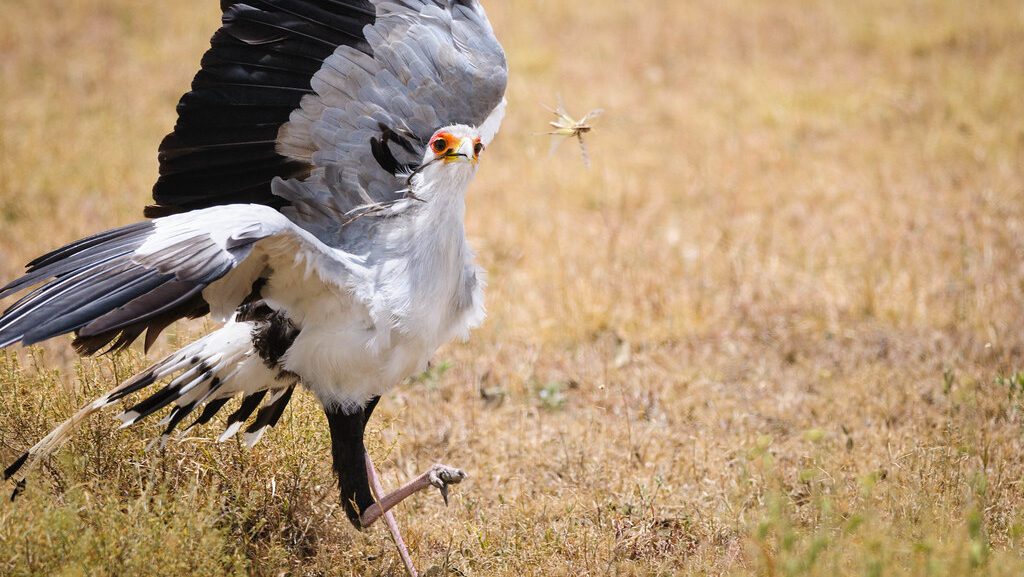
Recent studies have revealed surprising cognitive sophistication in the secretary bird’s hunting approach. Far from being a simple reflexive behavior, their stomping involves complex decision-making processes and learning. Young secretary birds show distinct learning curves as they master stomping techniques, with adult birds demonstrating refined strategies that appear to incorporate past experiences. Captive studies have shown these birds can distinguish between various prey types and adjust their stomping force accordingly – using powerful strikes for dangerous prey and gentler approaches for harmless food items. Some research even suggests regional variations in stomping techniques across different secretary bird populations, potentially indicating cultural transmission of hunting knowledge between generations.
Teamwork: The Rare Cooperative Stomping Behavior
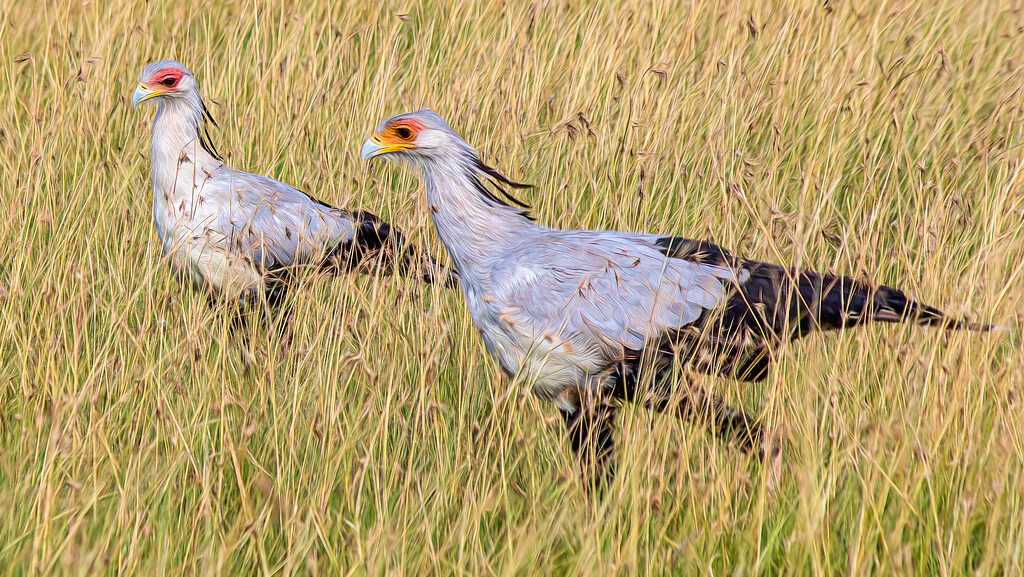
While generally solitary hunters, secretary birds occasionally demonstrate a fascinating cooperative hunting behavior that revolves around their stomping technique. In rare documented cases, mated pairs have been observed using coordinated stomping to handle exceptionally challenging prey like large monitor lizards or very aggressive snakes. In these situations, one bird typically acts as a distraction while the other delivers precisely timed stomps from behind or from the side. Researchers have noted that this cooperation appears most common during breeding seasons when energy demands are highest. This behavior represents an unusual level of tactical cooperation for raptors and highlights the cognitive flexibility that underlies the seemingly simple stomping technique.
The “Dance” Before the Stomp
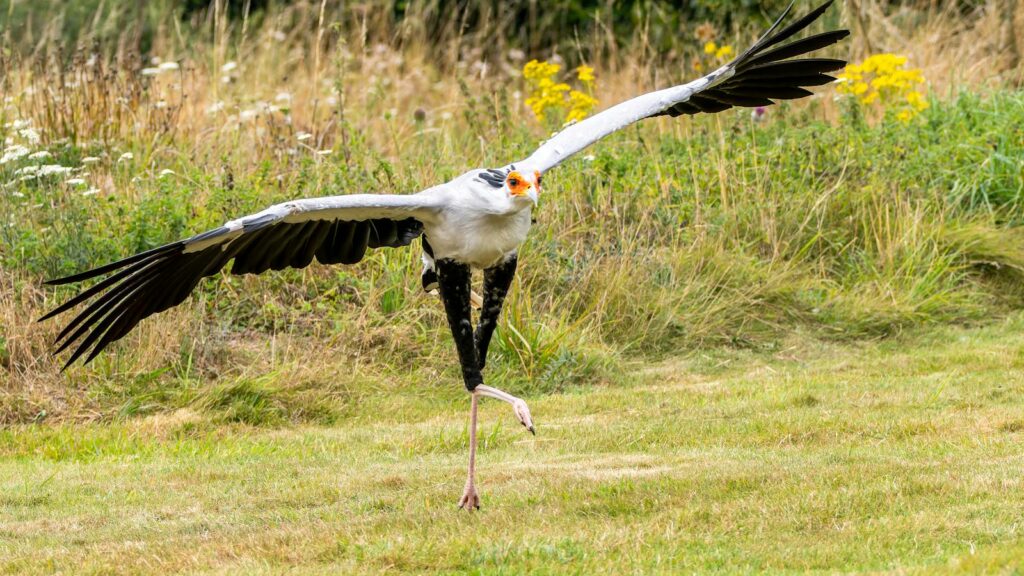
Secretary birds perform a distinctive pre-stomping ritual that serves multiple purposes beyond mere preparation for the strike. This behavior, sometimes called the “snake dance,” involves rhythmic wing-spreading, head-bobbing, and deliberate foot movements that create vibrations in the ground. These vibrations serve to confuse prey, particularly snakes that rely on ground-transmitted sensory information. The dance also appears to distract the prey’s attention, creating brief moments of disorientation that provide opening for a successful strike. Ethologists have noted that more experienced birds perform more elaborate pre-stomping displays, suggesting this behavior becomes refined with practice. Additionally, this display serves as a visual warning to potentially dangerous prey, establishing the bird’s presence and perhaps deterring defensive strikes.
The Ecological Impact of Stomping

The secretary bird’s stomping behavior has broader ecological significance beyond simply obtaining food. By targeting venomous snakes, these birds provide a form of natural pest control that benefits other species, including humans. In agricultural areas, their preference for rodents and insects makes them valuable allies for farmers facing crop damage from these pests. Ecological studies have demonstrated that secretary bird territories typically show lower concentrations of certain venomous snake species compared to similar areas without these birds. Their ground-focused hunting style also creates minor soil disturbances that can promote seed dispersal and small-scale habitat diversity. This makes secretary birds ecological engineers whose impact extends well beyond their role as predators.
The Threats to This Specialized Hunting Technique

The secretary bird’s specialized stomping technique faces several modern threats that could impact its effectiveness and survival. Habitat conversion to intensive agriculture eliminates the open grasslands these birds need for their walking-based hunting approach. Pesticide use reduces insect populations and can contaminate the food chain, potentially affecting the birds’ neurological systems that control their precise stomping movements. Climate change presents another challenge, as prolonged droughts can harden soil, making it more difficult for secretary birds to detect underground prey through vibrations and potentially causing foot injuries during stomping. Conservation efforts now focus on preserving not just the birds themselves but the specific habitat conditions that allow their unique hunting technique to remain effective.
Cultural Significance of the Stomping Behavior

The secretary bird’s distinctive stomping has earned it a special place in African cultural traditions and symbolism. Several indigenous cultures incorporate the secretary bird into folklore, often as a symbol of justice – its stomping of snakes representing the triumph over evil or danger. This symbolism has continued into modern times, with the secretary bird appearing on coats of arms, including that of Sudan and South Africa, specifically highlighting its snake-killing prowess. Traditional healers in some regions have historically observed secretary bird hunting techniques to identify medicinal plants, following the birds to locate certain herbs that grow where snakes are common. The bird’s methodical, purposeful manner of walking and striking has also influenced ceremonial dances in several cultures across its range.
Future Research Directions
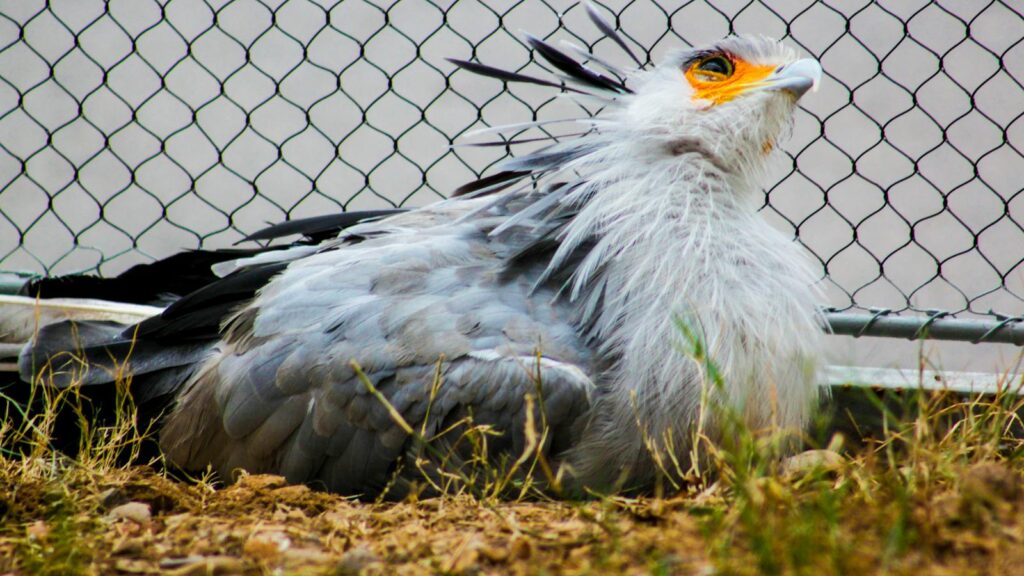
Scientists continue to explore new aspects of the secretary bird’s remarkable stomping behavior using advanced technologies. Current research employs high-speed 3D cameras to map the precise biomechanics of the strike, while accelerometers attached to captive birds are helping quantify the forces involved. Neurobiologists are investigating the specialized brain structures that allow for such precise targeting and force control. Perhaps most exciting is the potential application of these studies to robotics – engineers have already developed prototype robots with stomping mechanisms inspired by secretary birds for tasks involving precision impacts in hazardous environments. Conservation geneticists are also studying how the specialized adaptations for stomping might affect the species’ ability to adapt to changing environments, information crucial for effective protection of these remarkable birds.
Conclusion
The secretary bird’s distinctive stomping behavior represents one of nature’s most fascinating specialized hunting adaptations. Far from being a simple technique, this method involves complex biomechanics, specialized anatomy, sophisticated cognitive processes, and remarkable evolutionary adaptations. The force, precision, and versatility of their stomps demonstrate the incredible solutions that natural selection can produce when specific ecological niches present unique challenges. As we continue to study these remarkable birds, we gain not only a deeper appreciation for their specialized hunting methods but also valuable insights into biomechanics, predator-prey relationships, and the importance of preserving specialized adaptations in a rapidly changing world. The secretary bird stands as a testament to evolution’s capacity for creating highly specialized solutions—reminding us that even seemingly simple behaviors often conceal remarkable complexity.