

Nightjars remain among the most enigmatic birds in the avian world, captivating birdwatchers with their mysterious nocturnal habits and remarkable adaptations. These crepuscular and nocturnal birds belong to the family Caprimulgidae and are found across diverse habitats worldwide. Despite their widespread distribution, nightjars often go unnoticed due to their exceptional camouflage and primarily nocturnal lifestyle. For birdwatchers hoping to glimpse these elusive creatures, understanding their secretive behaviors and unique characteristics is essential. This article explores ten fascinating aspects of nightjar biology and behavior that will enhance any bird enthusiast’s appreciation for these remarkable birds and potentially improve your chances of spotting them in the wild.
The Masters of Camouflage
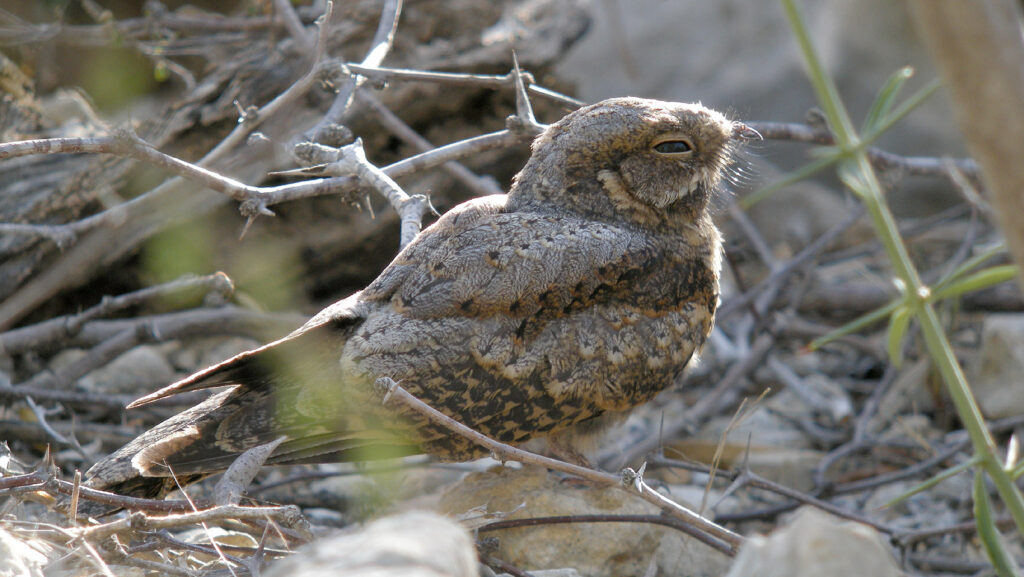
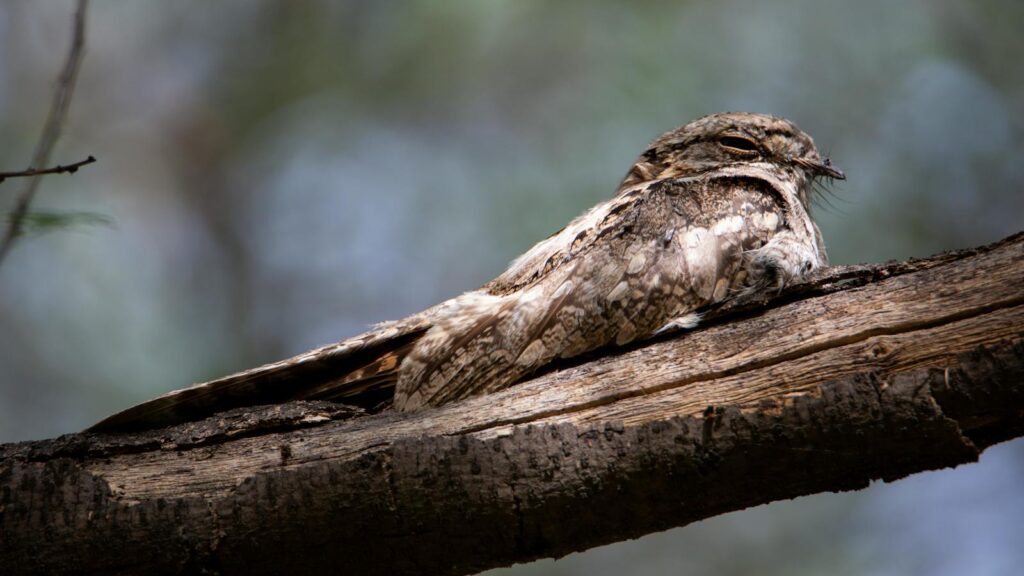
Nightjars possess some of the most remarkable camouflage in the bird world, with plumage that perfectly mimics leaf litter, bark, or soil depending on the species. This cryptic coloration, consisting of mottled browns, grays, and blacks, allows them to virtually disappear when resting on the ground or perched lengthwise on branches during daylight hours. The common nighthawk’s plumage, for example, so perfectly matches tree bark that even experienced birdwatchers can walk right past without noticing the motionless bird. This extraordinary camouflage serves as their primary defense mechanism against predators, as nightjars typically freeze rather than flee when threatened. Some species enhance their disguise by closing their eyes to narrow slits, eliminating the shine that might otherwise give away their position to predators or curious humans.
The “Goatsucker” Myth
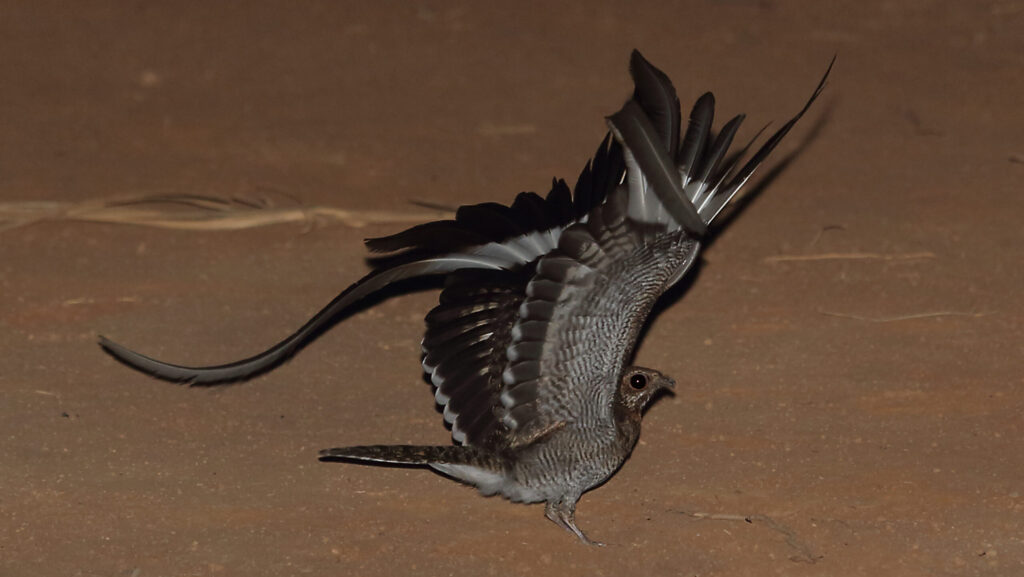
The family name Caprimulgidae comes from the Latin words “capra” (goat) and “mulgere” (to milk), reflecting an ancient and persistent myth that these birds suckled milk from goats. This curious misconception arose because nightjars were often spotted flying around livestock at dusk, but they were actually hunting the insects attracted to the animals. The European nightjar in particular suffered persecution due to this unfounded belief, which persisted in rural areas well into the 20th century. Some local names like “goatsucker” still reflect this mythology despite having no basis in reality. The birds’ wide gaping mouths, which help them catch insects in flight, may have contributed to the persistence of this strange folklore when they were seen near farm animals in low light conditions.
Unique Vocal Repertoire
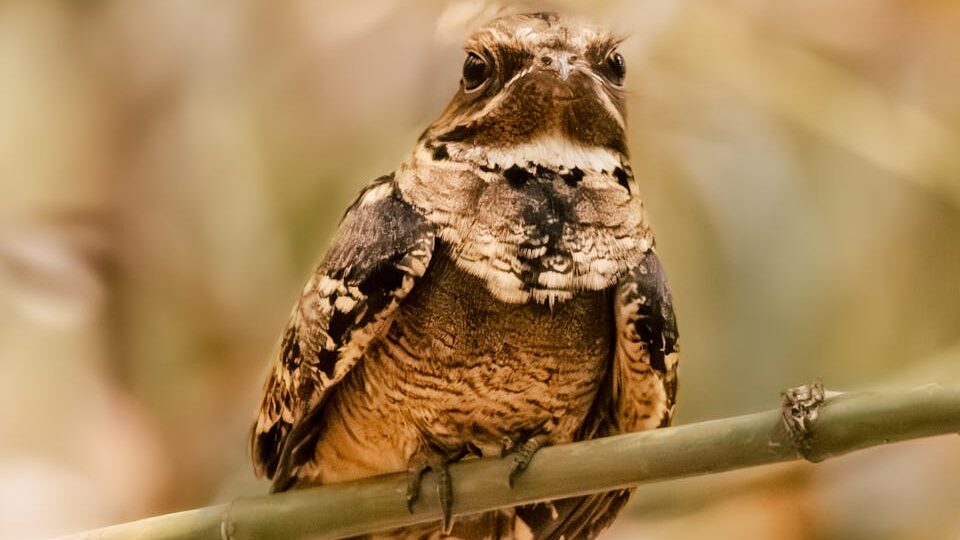
Nightjars are renowned for their distinctive vocalizations that often become the soundtrack of summer nights in many regions. Species like the Eastern Whip-poor-will are named for their repetitive, onomatopoeic calls that can continue uninterrupted for hours. The common poorwill produces a soft, rhythmic “poor-will” that carries across desert landscapes, while the chuck-will’s-widow delivers its name in a loud, distinctive pattern. These calls are primarily made by males during breeding season to establish territory and attract mates. Perhaps most remarkable is the European nightjar, which produces a continuous mechanical-sounding churring that can last for several minutes without pause. Recordings have documented individual European nightjars sustaining this trill for over 10 minutes, making it one of the longest continuous vocalizations in the bird world.
Extraordinary Mouths and Bristles
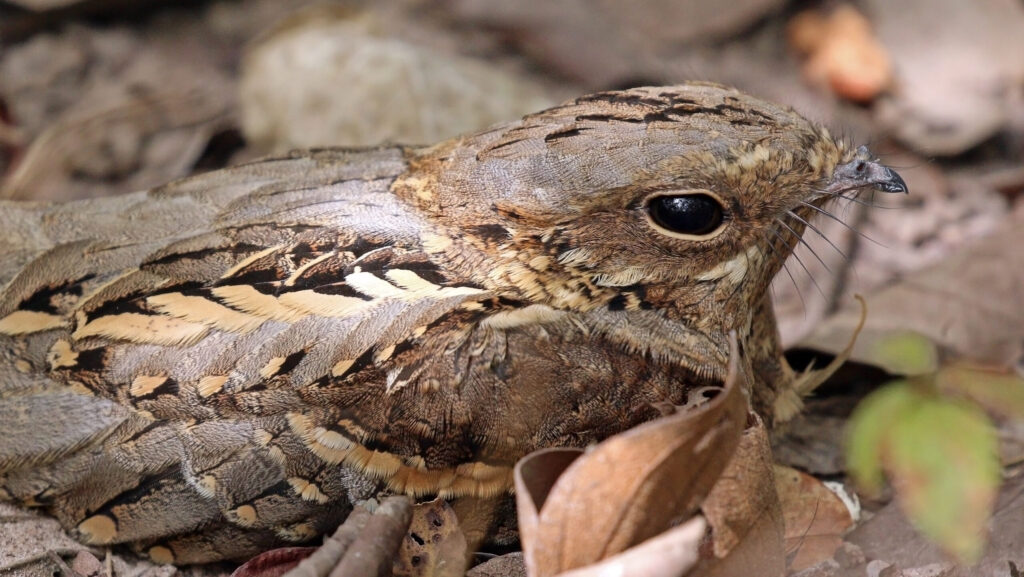
The nightjar’s mouth is a marvel of evolutionary adaptation, specially designed for aerial insect capture. When opened, their gape is astonishingly wide, extending well beyond the edges of their small beaks almost to the eyes, creating an effective net for catching flying insects. This remarkable feature is complemented by rictal bristles – specialized feathers that resemble stiff whiskers extending from the base of the bill. These tactile bristles are thought to help funnel insects into their mouths and possibly protect their eyes during high-speed feeding flights. Some species, like the Common Nighthawk, have bristles that can be up to half an inch long, forming a virtual insect-trapping basket around their mouth. The inside of a nightjar’s mouth is often lined with a sticky saliva that helps secure small prey as they fly with their mouths agape through swarms of insects.
Exceptional Night Vision
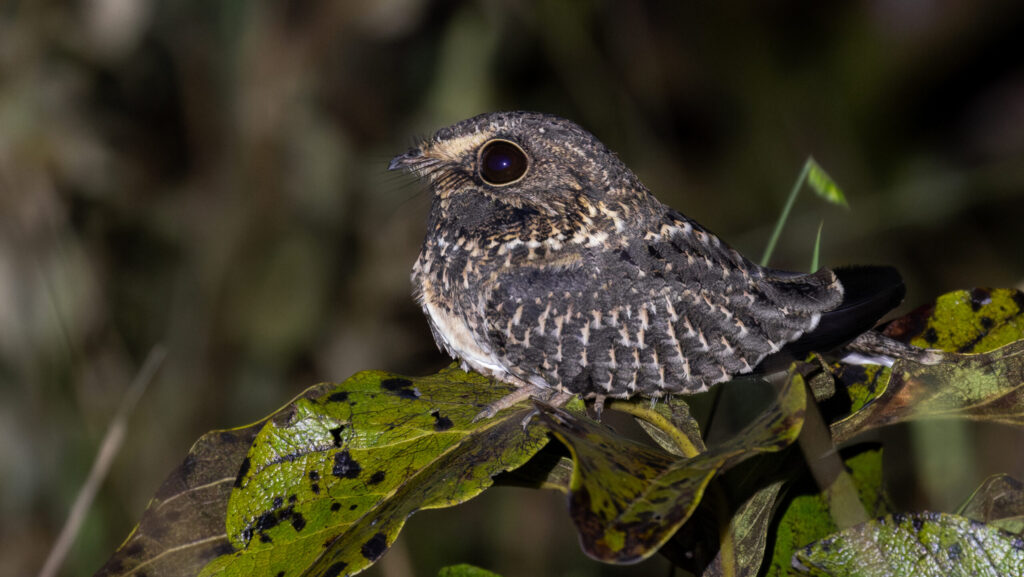
Nightjars possess remarkable visual adaptations that allow them to hunt effectively in extremely low light conditions. Their large, sensitive eyes contain a high concentration of rod cells – specialized photoreceptors that work well in dim light – giving them vision capabilities estimated to be 100 times more sensitive than human eyes. Located on the sides of their head, these specialized eyes provide nightjars with nearly 180-degree vision, helping them detect both prey and predators in the darkness. A reflective layer called the tapetum lucidum behind their retinas enhances their night vision by reflecting light back through the photoreceptor cells, effectively giving photons a second chance to be detected. This adaptation is similar to what gives cats their distinctive eyeshine when caught in headlights, though nightjars typically show red eyeshine rather than the greenish-yellow seen in felines.
Aerial Feeding Specialists
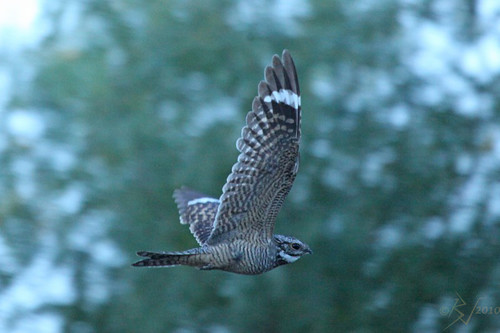
Nightjars are consummate aerial insectivores, capturing the majority of their prey on the wing during sophisticated flight maneuvers. Their lightweight bodies and long, pointed wings enable remarkable agility, allowing them to perform quick turns and swoops to snatch flying insects from the air. A single nightjar can consume hundreds of mosquitoes, moths, beetles, and flying ants in a night, making them valuable natural pest controllers. Some species, like the Common Nighthawk, feed at higher altitudes, sometimes hunting insects more than 500 feet above the ground, while others like the Eastern Whip-poor-will typically forage closer to the forest canopy or clearings. Research has shown that nightjars time their foraging activity to coincide with peak insect activity, which typically occurs during dusk and dawn or on moonlit nights when their prey is most active and visible.
Minimal Nest Building
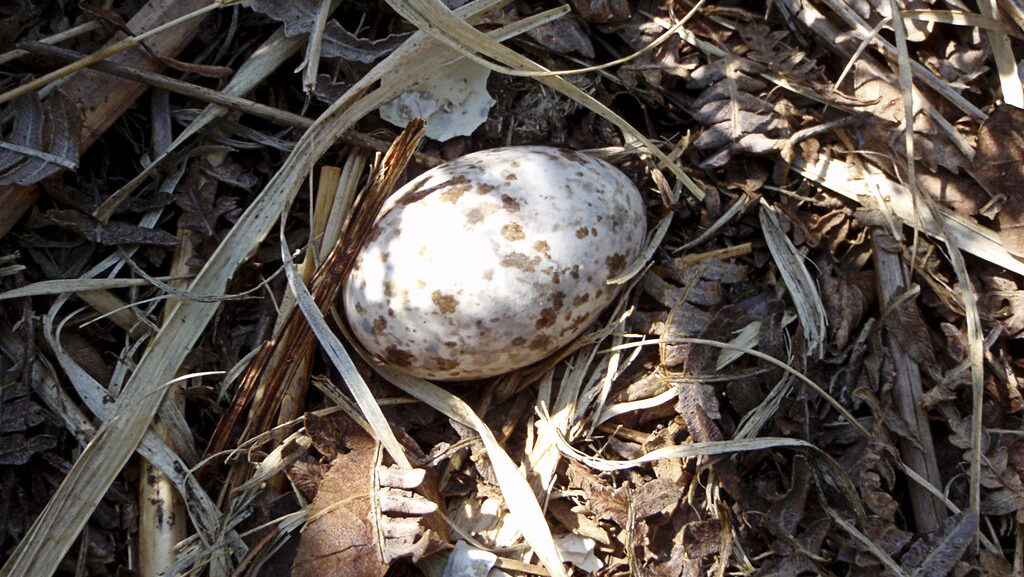
Unlike many birds that construct elaborate nests, nightjars take a remarkably minimalist approach to nesting. Most species lay their eggs directly on bare ground, using only natural depressions without adding any nesting materials. This seemingly vulnerable strategy is actually quite effective when combined with their excellent camouflage and secretive behavior. Female nightjars typically lay just one or two eggs, which blend remarkably well with the surrounding substrate due to their mottled coloration. The incubating parent (often the female) remains motionless on the nest, virtually invisible to predators passing nearby. Some species, like the Common Poorwill, show remarkable site fidelity, returning to the exact same nesting location year after year despite the apparent lack of any permanent nest structure.
Torpor and Hibernation
Perhaps one of the most extraordinary adaptations observed in nightjars is their ability to enter torpor – a state of dramatically reduced metabolism and body temperature that helps conserve energy during periods of food scarcity or harsh weather. While many nightjar species can enter short-term torpor, the Common Poorwill takes this adaptation to an extreme as the only known hibernating bird in the world. During winter months in the southwestern United States, poorwills can remain in hibernation for weeks or even months, their body temperature dropping from about 40°C (104°F) to as low as 18°C (64°F), while their heart and respiration rates slow dramatically. Native American tribes recognized this unique behavior long before Western science, with the Hopi people referring to the poorwill as “the sleeping one.” Recent research suggests that other nightjar species may also undergo longer periods of torpor than previously recognized, though none match the poorwill’s extended hibernation capability.
Moonlight-Dependent Activity
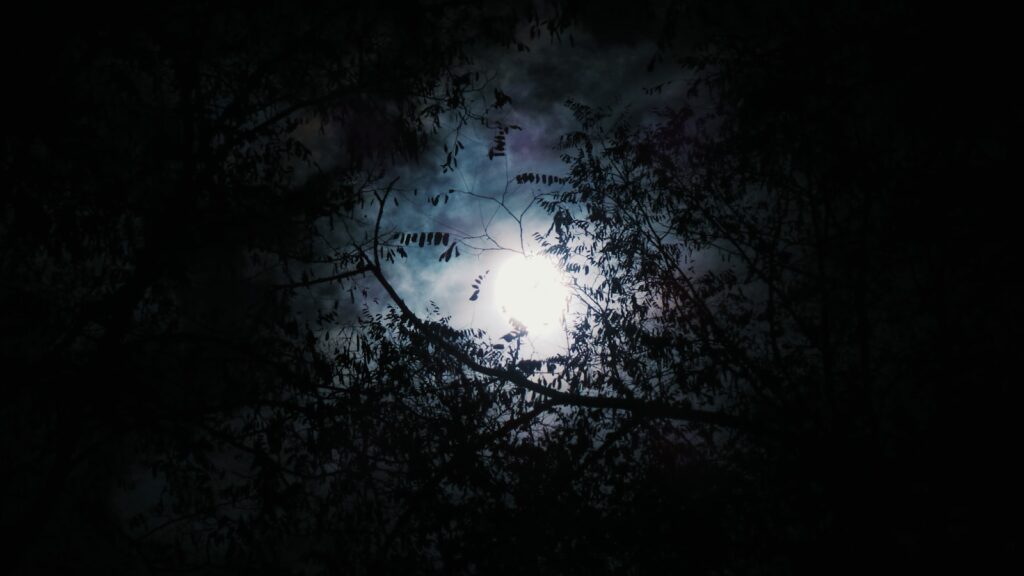
The activity patterns of nightjars are strongly influenced by lunar cycles, with many species showing significantly increased foraging and calling behavior during moonlit nights. This phenomenon, known as lunar philia, occurs because moonlight improves their hunting efficiency by making flying insects more visible while still providing enough shadow for the nightjars to remain relatively concealed from their own predators. Research tracking nightjar movements has revealed that some species may alter their hunting territories based on moonlight availability, moving to more open areas during brighter nights. Breeding activities are also synchronized with lunar cycles in many species, with egg-laying often timed so that the high-demand chick-rearing period coincides with full moons when foraging is most productive. This lunar dependency creates a fascinating rhythm to nightjar behavior that birdwatchers can leverage to increase their chances of observing these elusive birds.
Long-Distance Migration
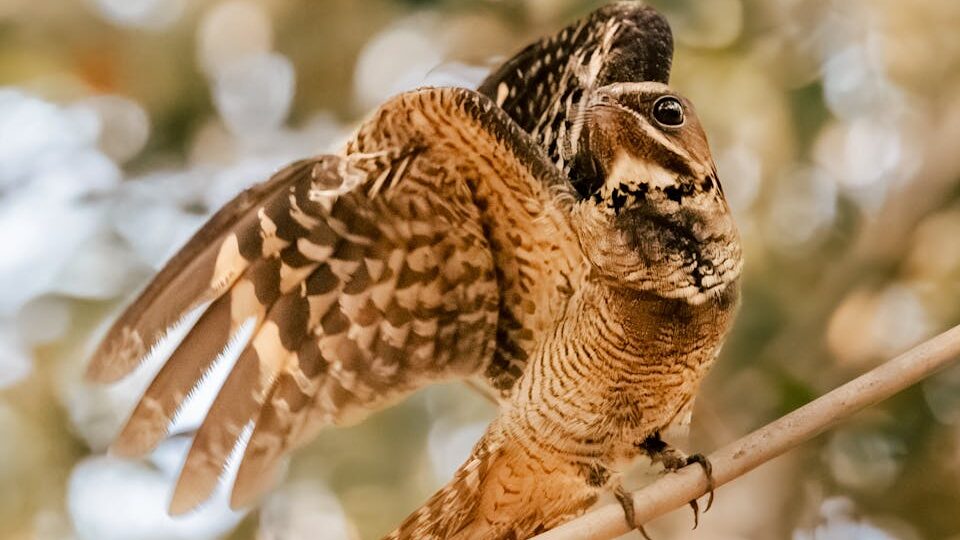
Many nightjar species undertake remarkable long-distance migrations, navigating thousands of miles between breeding and wintering grounds. The Common Nighthawk, for example, breeds across North America but winters in South America, with some individuals traveling over 4,000 miles each way. Even more impressive is the European Nightjar, which migrates from Europe to sub-Saharan Africa, crossing both the Mediterranean Sea and the Sahara Desert during its journey. These migrations typically occur at night, making them difficult to study until recent advances in miniaturized tracking technology. GPS tracking has revealed that nightjars often travel alone rather than in flocks, maintaining straight and efficient flight paths even across vast geographical barriers. Remarkably, juvenile nightjars undertake these complex migrations without the guidance of adults, relying entirely on innate navigational abilities for their first journey.
Conservation Challenges
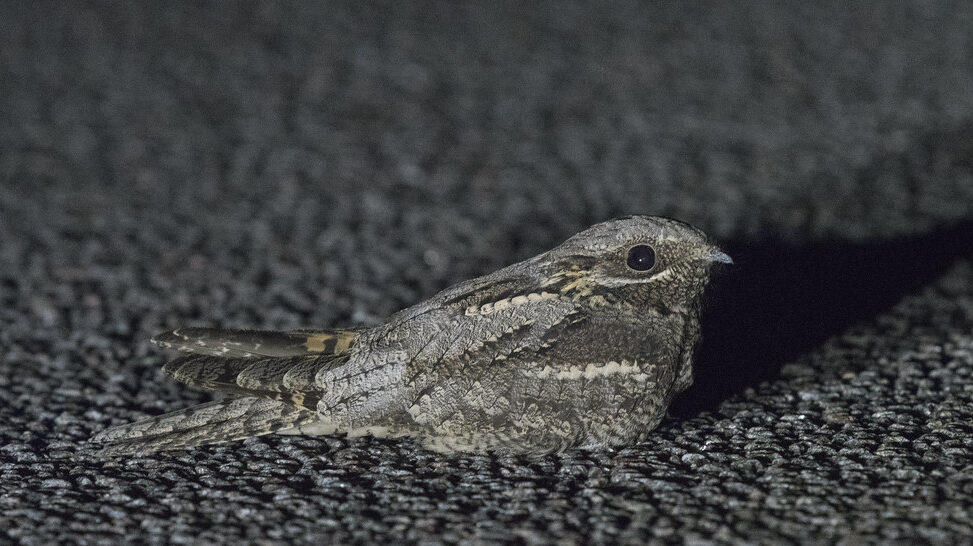
Many nightjar species face significant conservation challenges, with several experiencing troubling population declines across their ranges. Habitat loss represents perhaps the greatest threat, as urbanization eliminates the open woodlands, scrublands, and forest edges that many nightjars require for breeding. Light pollution poses another serious challenge by disrupting their nocturnal feeding patterns and potentially interfering with their ability to navigate during migration. Vehicle collisions are a surprisingly common cause of mortality, as nightjars often rest on warm roads at night or hunt insects attracted to headlights. Climate change represents an emerging threat by potentially creating mismatches between the timing of nightjar breeding and peak insect abundance. Conservation efforts for these mysterious birds are complicated by their cryptic nature and nocturnal habits, which make population monitoring particularly challenging compared to more visible diurnal species.
Best Viewing Techniques for Birdwatchers

For birdwatchers eager to observe nightjars, specific techniques can significantly improve the chances of a successful encounter. Timing is crucial – focus your efforts around dusk and dawn during the breeding season (typically late spring through summer in temperate regions) when males are most actively calling and performing aerial displays. Habitat selection is equally important; depending on the species, target forest edges, woodland clearings, scrubby heathland, or desert washes where nightjars typically forage. Listening for their distinctive calls is often the best way to locate nightjars; once a calling male is identified, patiently scan open areas against the darkening sky to spot their silhouettes in flight. Using a red-filtered flashlight rather than white light reduces disturbance while still allowing you to potentially spot their distinctive eyeshine if they’re perched nearby. Patience and repeated visits to the same location often yield the best results, as nightjars frequently establish regular roosting and foraging patterns that can be predicted once you become familiar with local individuals.
Conclusion
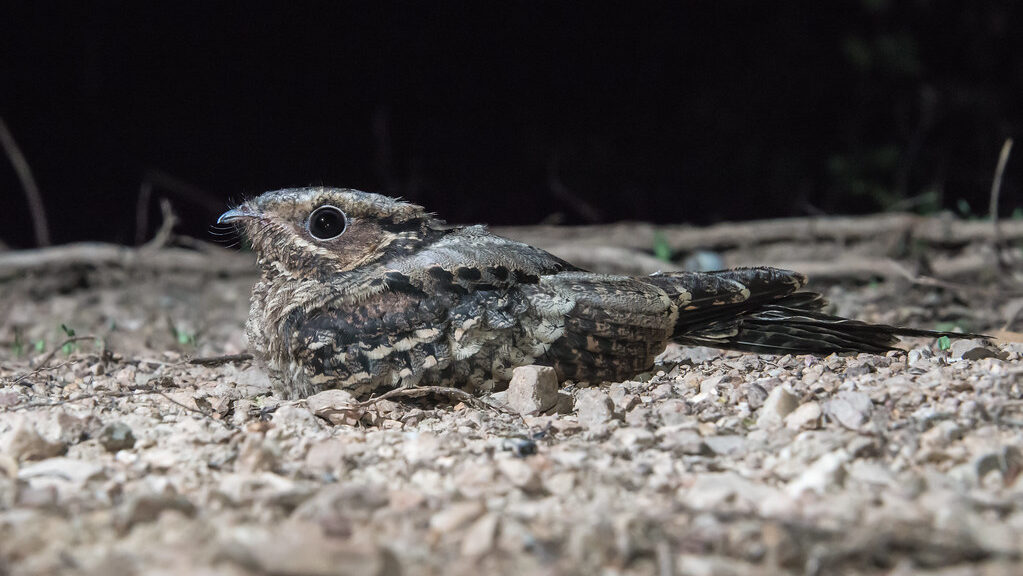
The secretive lives of nightjars represent one of the most fascinating chapters in avian biology. From their remarkable adaptations for nocturnal living to their mysterious migrations and unusual breeding strategies, these birds exemplify evolutionary specialization. For birdwatchers willing to venture out at twilight and equipped with knowledge of their habits, nightjars offer some of the most rewarding and memorable wildlife encounters possible. As we continue to learn more about these enigmatic birds through advancing research technologies, their full story continues to unfold, reminding us that even in our well-documented natural world, some creatures still maintain an air of mystery that makes their discovery all the more thrilling.