
The avian world is filled with remarkable species that captivate our imagination, from the flamboyant peacock to the ingenious crow. Yet standing tall among these celebrated birds—quite literally—is the secretary bird, a remarkable predator whose unique hunting technique and striking appearance have long been overlooked by mainstream wildlife enthusiasts. As we approach 2025, conservation biologists and ornithologists are increasingly highlighting this extraordinary raptor as one deserving far more recognition. With its distinctive snake-stomping behavior, impressive stature, and crucial ecological role, the secretary bird is poised to capture the spotlight as perhaps the most underrated bird species of the coming year. This remarkable creature challenges our understanding of avian hunting techniques and demonstrates evolutionary adaptations that are both fascinating and unique in the bird world.
The Unmistakable Appearance of the Secretary Bird
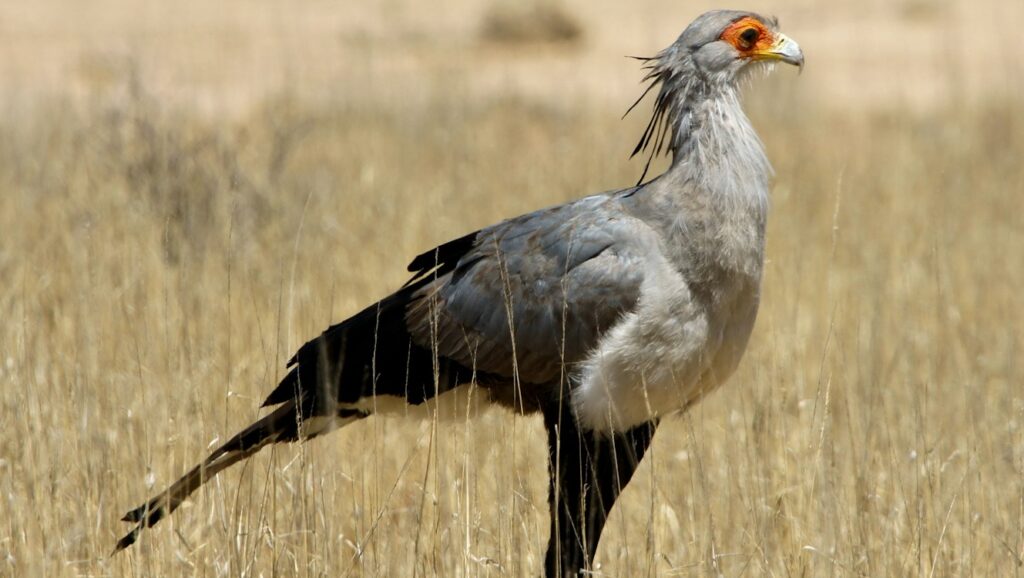
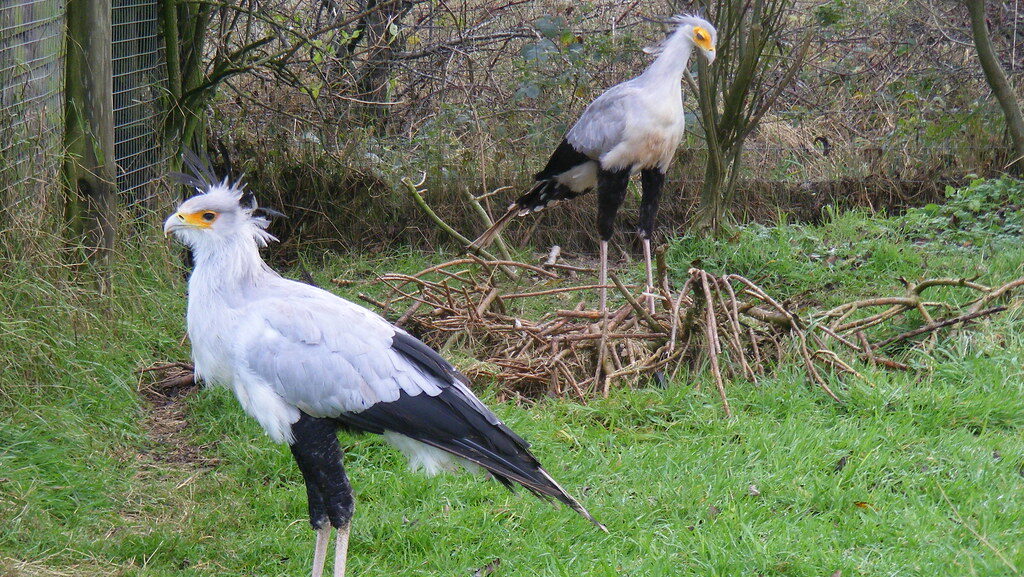
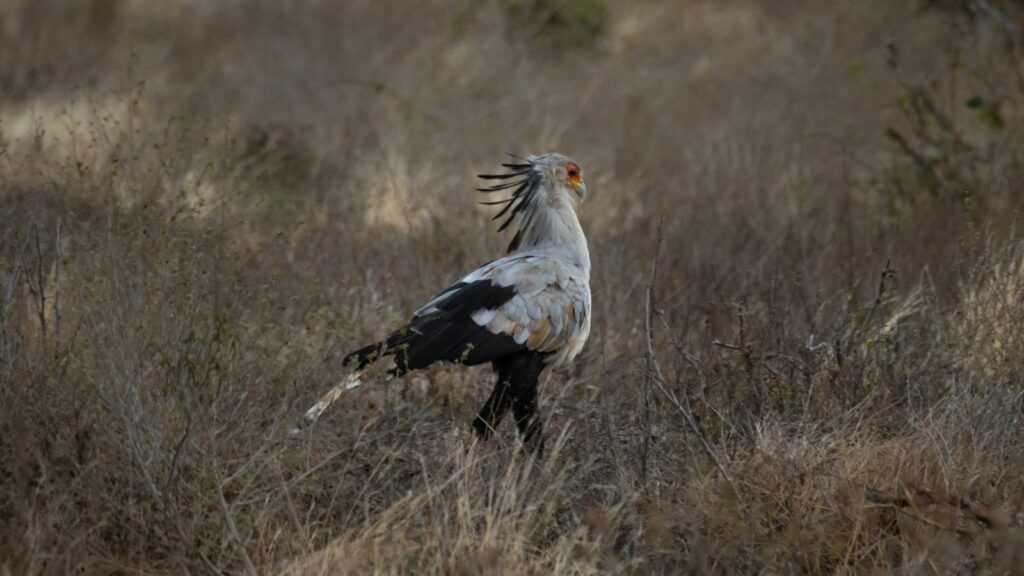
Standing at nearly 4 feet tall with legs that can measure up to 2 feet in length, the secretary bird (Sagittarius serpentarius) cuts an imposing figure across the African savannas. Its most distinctive feature is undoubtedly the crest of black feathers that extend from the back of its head, resembling quill pens that 19th-century secretaries would tuck behind their ears—hence its unusual name. The bird’s body is primarily covered in light gray feathers, while the flight feathers, thighs, and crest are black, creating a striking contrast. Its face is characterized by bare orange-red skin and piercing yellow eyes that provide exceptional vision for spotting prey. Unlike most raptors that have heavily feathered legs, the secretary bird’s legs are long, powerful, and mostly unfeathered, an adaptation crucial to its unique hunting style.
A Taxonomic Oddity Among Raptors
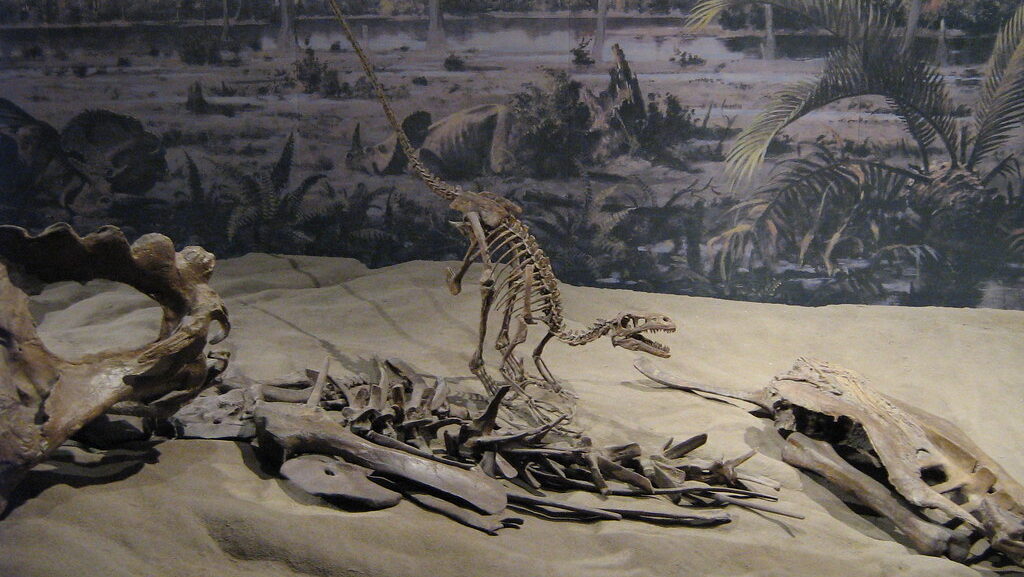
The secretary bird occupies a curious position in avian taxonomy that contributes to its underappreciated status. As the sole member of the family Sagittariidae, it stands apart from other raptors both genetically and behaviorally. Phylogenetic studies place it within the Accipitriformes order alongside eagles, hawks, and vultures, but its unique morphology and hunting techniques make it an evolutionary outlier. Scientists believe the secretary bird diverged from other raptors approximately 50 million years ago, developing its distinctive terrestrial lifestyle while retaining certain raptor characteristics. This taxonomic uniqueness has sometimes caused the bird to fall between classification cracks in both scientific study and conservation attention. Recent DNA analysis has further confirmed its ancient lineage, revealing that secretary birds represent one of the earliest branches in the raptor evolutionary tree, making them living windows into avian evolutionary history.
The Remarkable Stomping Technique
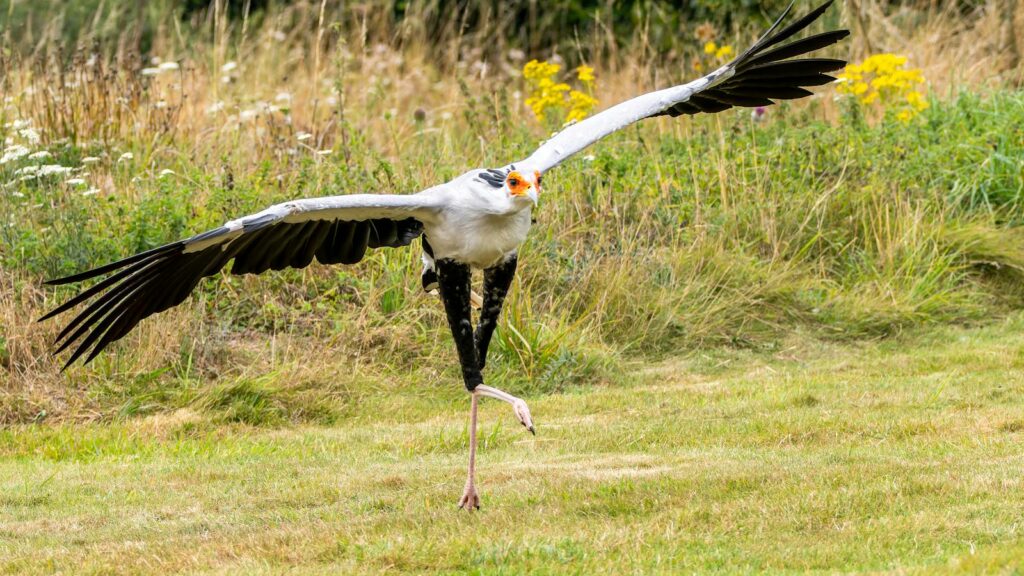
What truly sets the secretary bird apart is its extraordinary hunting method—a powerful, precisely targeted stomping technique used to dispatch prey. Unlike other raptors that primarily use their talons and beaks for catching prey mid-flight or pouncing from above, secretary birds are terrestrial hunters that walk up to 20 miles a day searching for prey on the ground. When a secretary bird locates a potential meal—often a snake—it assumes a distinctive hunting posture, spreading its wings for balance while delivering rapid, powerful kicks that can strike with up to five times the bird’s body weight in force. High-speed camera studies have revealed that these strikes occur in just 15 milliseconds, delivering blunt force trauma that stuns or kills the prey instantly. The bird may stomp repeatedly, sometimes up to 12 times, before picking up the subdued prey in its beak, often tossing it around further before consumption.
Snake Specialists of the Savanna
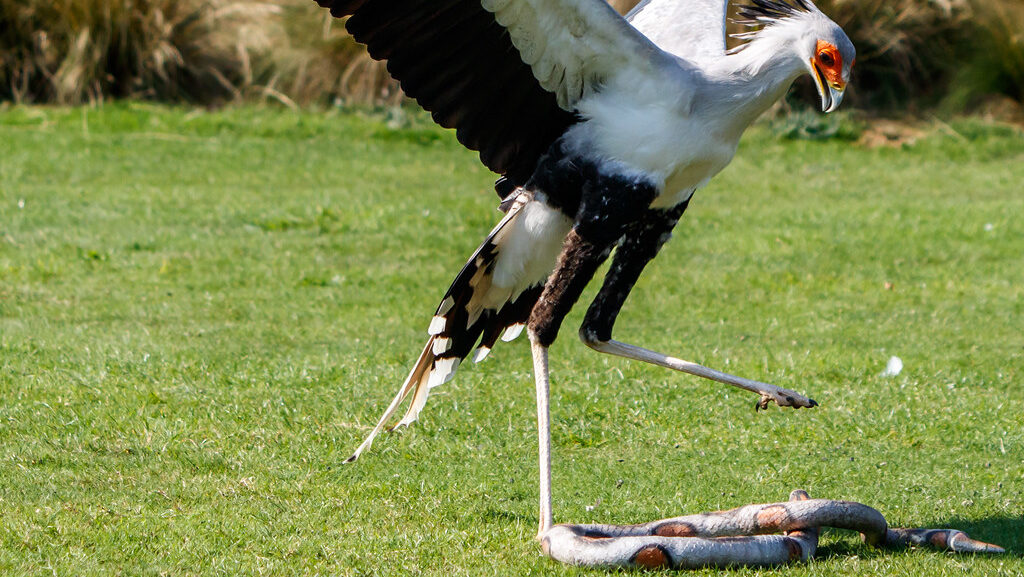
Secretary birds have earned a well-deserved reputation as nature’s snake controllers, specializing in hunting some of Africa’s most venomous species. These birds regularly tackle deadly serpents including black mambas, cobras, and puff adders, dispatching them with remarkable efficiency and apparent immunity to venom. Their specialized hunting technique keeps them safely beyond striking distance of even the fastest snakes, while their scaly legs provide limited protection against bites that might occur. This specialization has made them culturally significant across Africa, where many communities value them for their role in controlling snake populations around human settlements. Beyond snakes, secretary birds are opportunistic hunters that also prey on lizards, rodents, amphibians, and even small mammals such as hares. Research from the Serengeti has shown that a single secretary bird territory may contain significantly fewer venomous snakes than comparable unoccupied areas, underscoring their ecological importance.
The Scientific Breakthrough of 2024
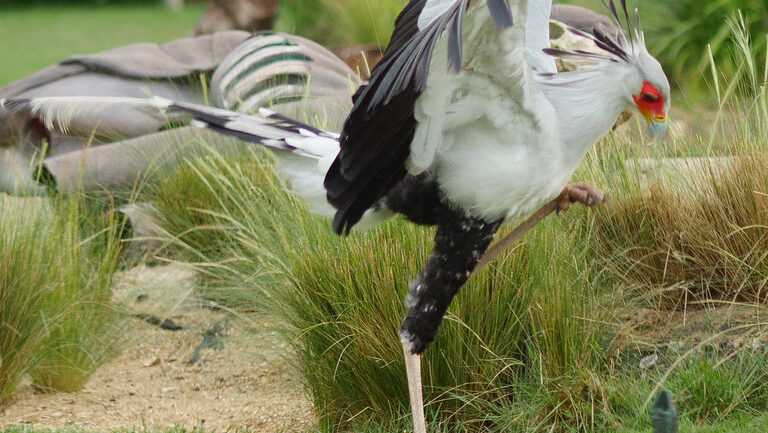
A groundbreaking study published in late 2024 by researchers at the University of Cape Town has revealed previously unknown aspects of the secretary bird’s hunting mechanics, propelling this species into the scientific spotlight. Using advanced biomechanical sensors and high-speed imaging, the research team documented how secretary birds modulate their strike force based on the type of prey encountered, demonstrating a level of cognitive hunting adaptation previously unrecognized in avian predators. The study found that the birds deliver precisely calibrated strikes—softer, more controlled stomps for smaller prey and maximum-force blows for dangerous snakes. Additionally, the research identified specialized shock-absorbing structures in the bird’s legs that prevent injury during these high-impact strikes. This discovery has captured the attention of engineers working on impact-resistant materials and has sparked new interest in the species among both the scientific community and wildlife enthusiasts, setting the stage for the secretary bird’s rising profile in 2025.
Cultural Significance Across Africa

Throughout African cultural history, the secretary bird has held special significance across numerous societies, contributing to its potential for greater appreciation in 2025. In ancient Egypt, the bird’s image appeared in hieroglyphics, believed to represent protection and vigilance against evil spirits often symbolized by snakes. Among the Maasai people of East Africa, secretary birds feature prominently in traditional stories as clever heroes who protect communities from dangerous serpents. In South Africa, the secretary bird appears on the national coat of arms, representing vigilance and military prowess, with its outstretched wings symbolizing protection. Several African nations have featured the secretary bird on postage stamps and currency, recognizing its cultural and ecological importance. As global interest in indigenous knowledge systems grows, these cultural connections are being increasingly highlighted by ornithologists and conservation organizations, helping to elevate the bird’s profile internationally.
Conservation Status and Emerging Threats
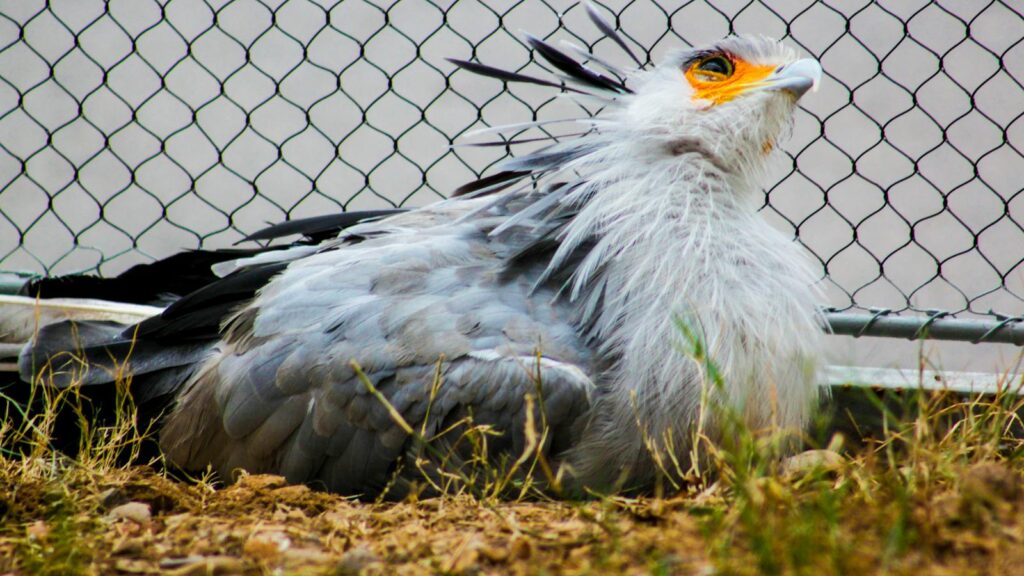
Despite its impressive adaptations, the secretary bird faces mounting conservation challenges that have contributed to its recent designation as vulnerable on the IUCN Red List. Habitat loss represents the most significant threat, as grasslands and savannas across Africa are converted to agricultural land or lost to urban development. Secretary birds require extensive territories of open habitat for their ground-hunting lifestyle, with a single pair needing up to 50 square kilometers. Climate change poses additional threats, altering precipitation patterns in ways that affect both the birds and their prey species. Human persecution, while less common than in the past, still occurs in some regions where the birds are wrongly believed to prey on domesticated animals. Collisions with power lines represent a newer threat, as these tall birds often fly at the same height as electrical infrastructure. Conservation programs launching in 2025 aim to address these challenges through habitat protection, community education, and international cooperation.
Breeding Behavior and Reproductive Challenges
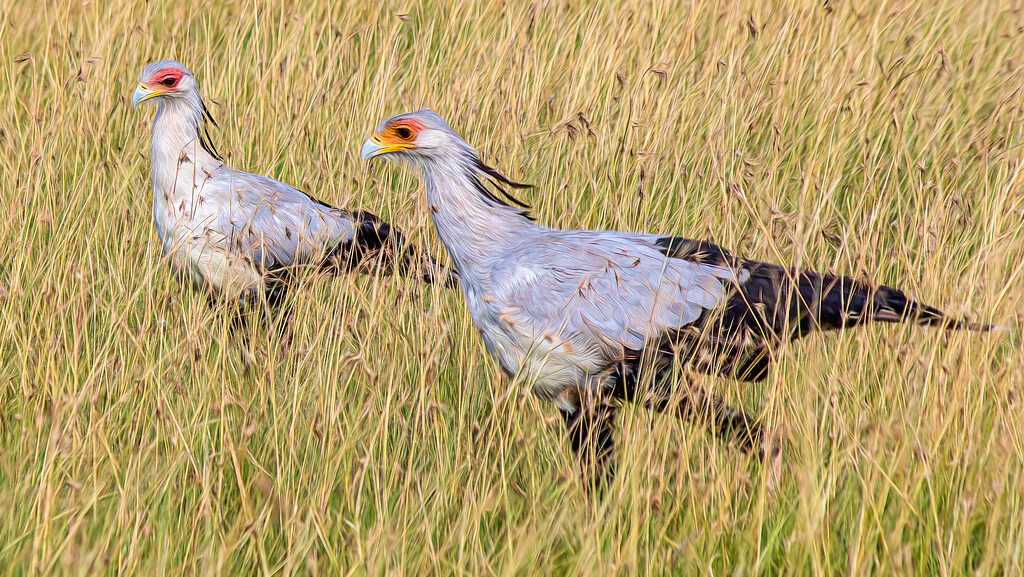
Secretary birds exhibit fascinating reproductive behaviors that are increasingly drawing scientific attention as researchers work to understand their declining population. These monogamous birds form long-term pair bonds and engage in elaborate courtship displays that include synchronized soaring, ceremonial food offerings, and dramatic chases through the air. Pairs construct massive platform nests atop flat-crowned acacia trees, sometimes reaching eight feet in diameter, where they typically lay 1-3 eggs. Both parents participate in the roughly 45-day incubation period and subsequent chick-rearing, which can last up to 65-80 days before fledging. Recent studies indicate concerning declines in reproductive success, with many pairs attempting to nest but failing to produce viable offspring. Research programs slated for expansion in 2025 are investigating potential causes, including environmental contaminants, prey availability changes, and habitat fragmentation that may be separating optimal nesting and hunting grounds.
The Secretary Bird’s Role in Ecosystem Health
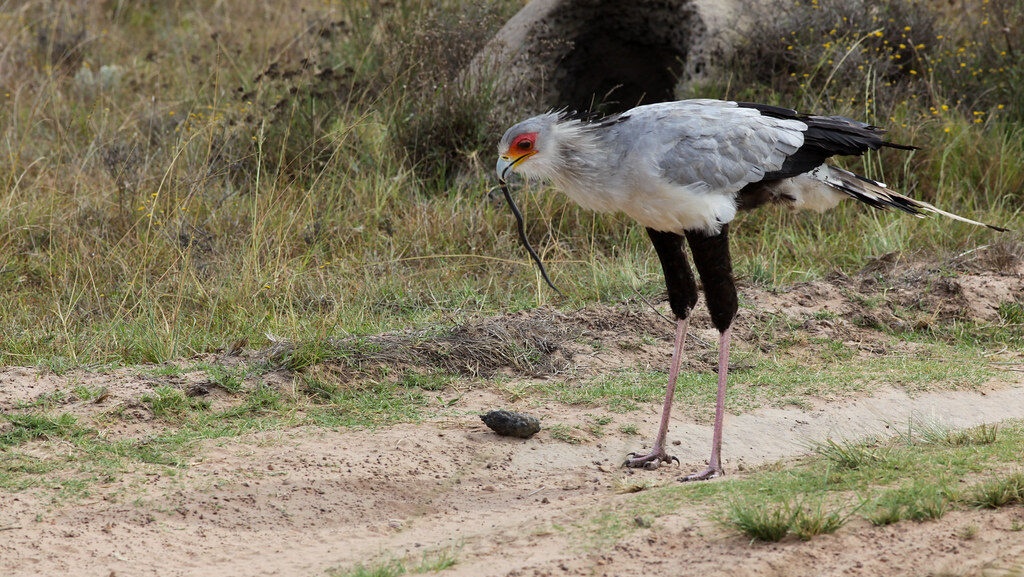
Emerging ecological research has revealed that secretary birds serve as crucial indicators of grassland ecosystem health, a finding that will likely elevate their profile in 2025. As apex predators specializing in controlling snake and rodent populations, these birds help maintain the delicate balance of savanna food webs. A 2024 study in Tanzania’s Serengeti ecosystem demonstrated that areas with stable secretary bird populations showed greater overall biodiversity and resilience to ecological disturbances compared to similar habitats where the birds had declined. Their presence helps prevent rodent population explosions that can damage vegetation and agricultural areas. Additionally, by controlling venomous snake populations, secretary birds indirectly benefit numerous other species, including ground-nesting birds and small mammals. Conservation biologists are increasingly advocating for the secretary bird’s recognition as an “umbrella species”—meaning that protection measures designed for these birds simultaneously benefit countless other savanna species sharing their habitat.
Technological Innovations Inspired by Secretary Birds
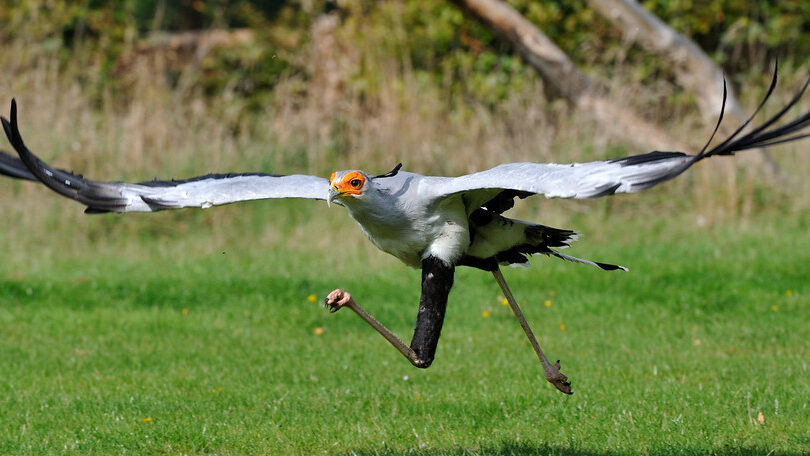
The secretary bird’s remarkable striking technique has recently inspired technological innovations across multiple fields, contributing to its rising profile among both scientists and the general public. Robotics engineers at the Swiss Federal Institute of Technology have developed impact-resistant drone landing gear modeled after the bird’s shock-absorbing leg structures, allowing unmanned aircraft to make hard landings on uneven terrain without damage. Biomechanical researchers at the University of California have created specialized protective footwear for first responders based on the scale pattern and impact distribution properties of secretary bird legs. Perhaps most fascinating is the development of snake-handling robots for use in agricultural settings, designed to mimic the bird’s precise, powerful strikes to safely remove venomous snakes from human environments without harming them. These practical applications of biomimicry are expected to receive significant media attention throughout 2025, bringing newfound appreciation for this remarkable bird’s specialized adaptations.
Citizen Science and Public Engagement
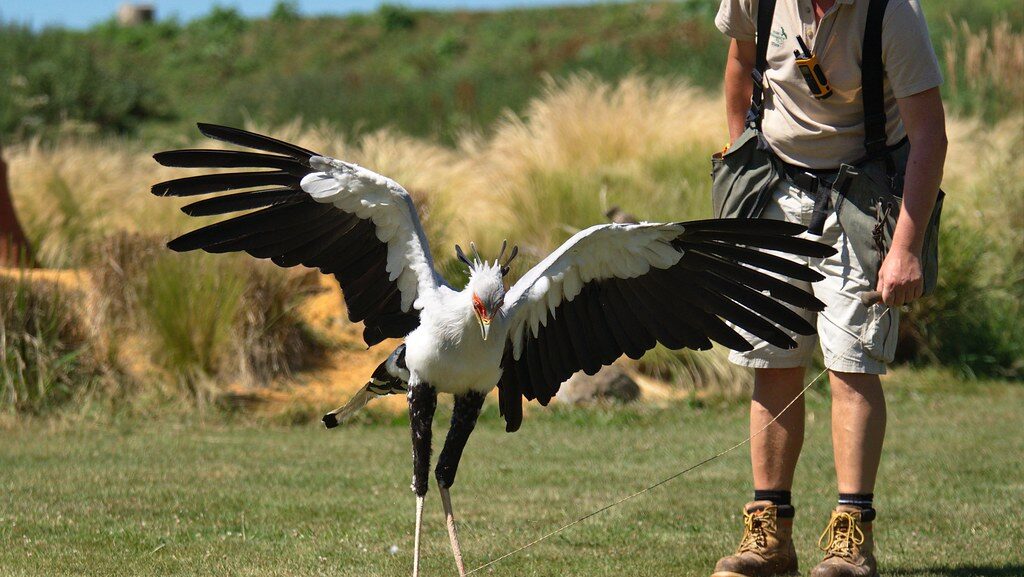
An ambitious citizen science initiative launching in early 2025 promises to dramatically increase public engagement with secretary birds across their range. The “Secretary Bird Sentinel Project” will utilize a smartphone application allowing citizens throughout Africa to record secretary bird sightings, behaviors, and nesting activities, creating the first comprehensive population monitoring system for the species. Participants will receive educational materials about the birds and their ecological importance, while contributing valuable data to conservation efforts. The project builds on successful pilot programs in Kenya and South Africa, where local community involvement led to the discovery of previously unknown secretary bird territories and breeding sites. Several major wildlife documentary producers have announced plans to feature the project and the secretary bird more broadly in upcoming films, which will likely introduce millions of viewers worldwide to this remarkable species. Educational institutions across Africa are incorporating the project into science curricula, engaging the next generation of potential conservationists.
Comparing the Secretary Bird to Other Raptors
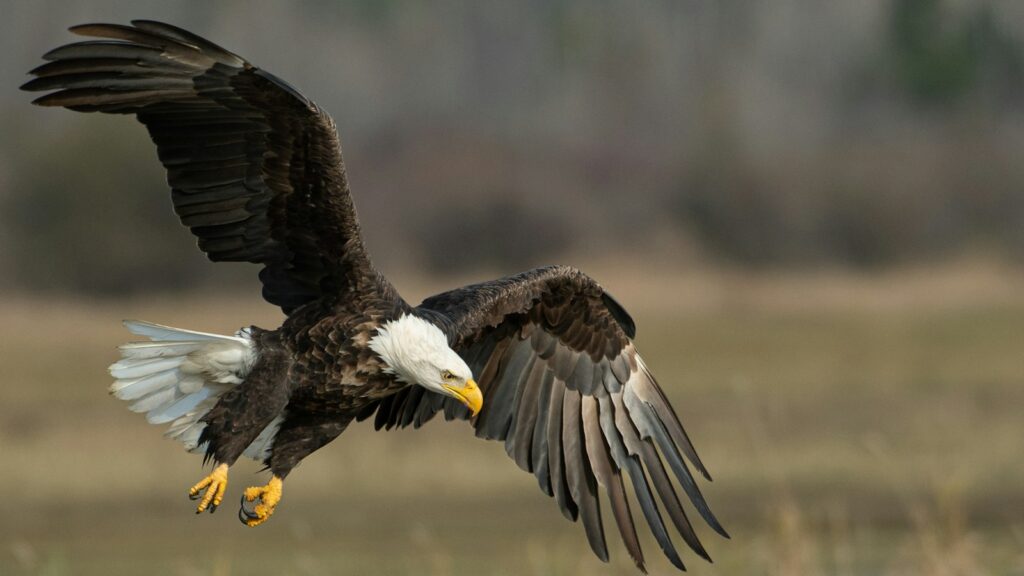
When compared to other birds of prey, the secretary bird stands apart in ways that underscore its uniqueness and potential for greater appreciation. Unlike eagles and hawks that primarily hunt from the air, secretary birds have evolved for a terrestrial lifestyle, with long legs that allow for both efficient walking and powerful striking. Their snake-hunting specialization contrasts with the more generalist approach of most raptors, demonstrating an evolutionary commitment to a specific ecological niche. While falcons rely on speed and osprey on fishing ability, secretary birds have developed precision striking capabilities that exceed those of any other bird species—delivering forces comparable to five times their body weight with pinpoint accuracy. Secretary birds also differ in their social behavior, being less territorial than many raptors and occasionally forming loose hunting associations, particularly outside breeding season. These distinctive traits make them particularly valuable subjects for comparative studies of raptor evolution and adaptation, an area of research expected to expand significantly in 2025.
The Future of Secretary Bird Conservation
Looking toward the future, conservationists are developing innovative strategies to ensure the secretary bird’s survival, which will likely bring increased attention to the species throughout 2025. A multinational conservation action plan is being finalized that will coordinate protection efforts across the bird’s range in 27 African countries, representing an unprecedented level of cooperation for a single avian species. Novel conservation techniques include the use of drone surveys to identify and monitor secretary bird territories in remote areas, as well as the development of artificial nest platforms in regions where suitable trees have become scarce. Genetic research is underway to assess population connectivity and diversity, providing crucial data for managed breeding programs if they become necessary. Community-based conservation initiatives are being expanded, particularly those that provide economic incentives for protecting secretary bird habitat through ecotourism and sustainable grazing practices. With these comprehensive efforts garnering international support and media coverage, 2025 may indeed mark the year when this remarkable bird finally receives the recognition and protection it deserves.
Conclusion
As we look toward 2025, the secretary bird stands poised to emerge from relative obscurity into well-deserved recognition as one of nature’s most remarkable avian specialists. Its unique hunting technique—a marvel of evolutionary adaptation—continues to inspire scientific research and technological innovation. The bird’s cultural significance, ecological importance, and conservation challenges all contribute to a compelling narrative that is increasingly capturing public attention. As new research uncovers more secrets about its specialized predatory adaptations and as conservation initiatives expand across Africa, the secretary bird is positioned to claim its rightful place among the world’s most fascinating bird species. This tall, elegant stomper of snakes, with its distinctive appearance and remarkable behaviors, truly deserves to shed its underrated status and become one of the most celebrated birds of 2025 and beyond.