

When we think of high-altitude flyers, our minds might drift to advanced aircraft or perhaps eagles soaring majestically over mountain peaks. However, some of the most remarkable achievements in high-altitude flight belong to a rather unexpected champion: the humble goose. These waterfowl have demonstrated astonishing capabilities to fly at elevations that would leave humans gasping for oxygen. Their extraordinary feats of endurance and physiological adaptation have captivated scientists, bird enthusiasts, and casual observers alike. In this exploration of geese altitude records, we’ll discover just how these remarkable birds achieve what seems impossible, pushing the boundaries of avian flight to heights that might genuinely surprise you.
The Bar-headed Goose: Champion of the Skies
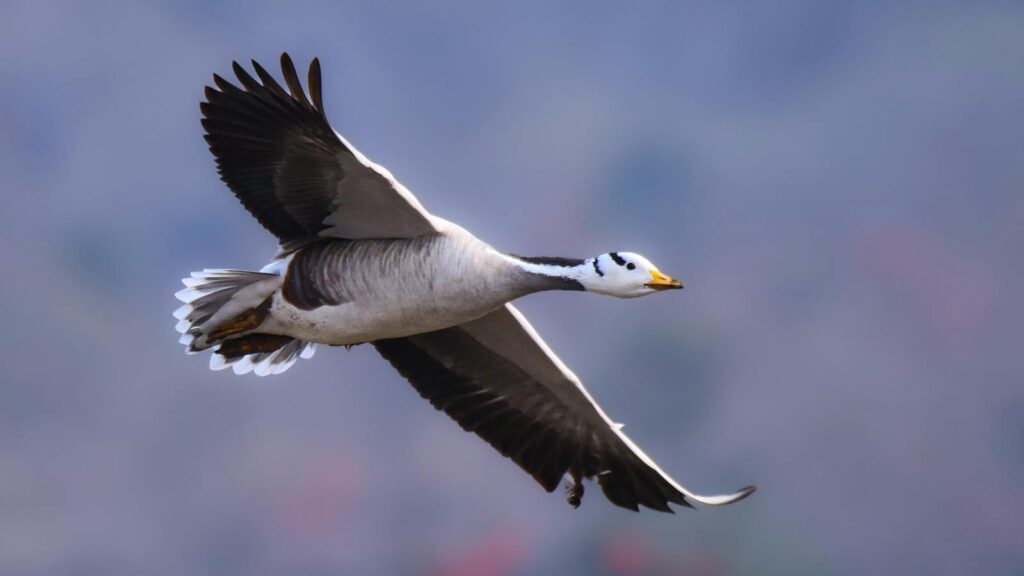
The undisputed king of high-altitude avian flight is the bar-headed goose (Anser indicus), a species that has evolved specifically to tackle one of the most challenging migrations on Earth. These remarkable birds regularly fly over the Himalayan mountain range during their biannual migration between their breeding grounds in Central Asia and wintering areas in the Indian subcontinent. What makes this feat truly extraordinary is that they don’t simply fly through mountain passes but often soar directly over the highest peaks, including Mount Everest and its neighboring giants. Scientists have documented these geese flying at altitudes exceeding 29,000 feet (8,800 meters) – heights where the oxygen levels are merely a third of those at sea level and temperatures can plummet well below freezing.
The Physiology Behind High-Altitude Flight
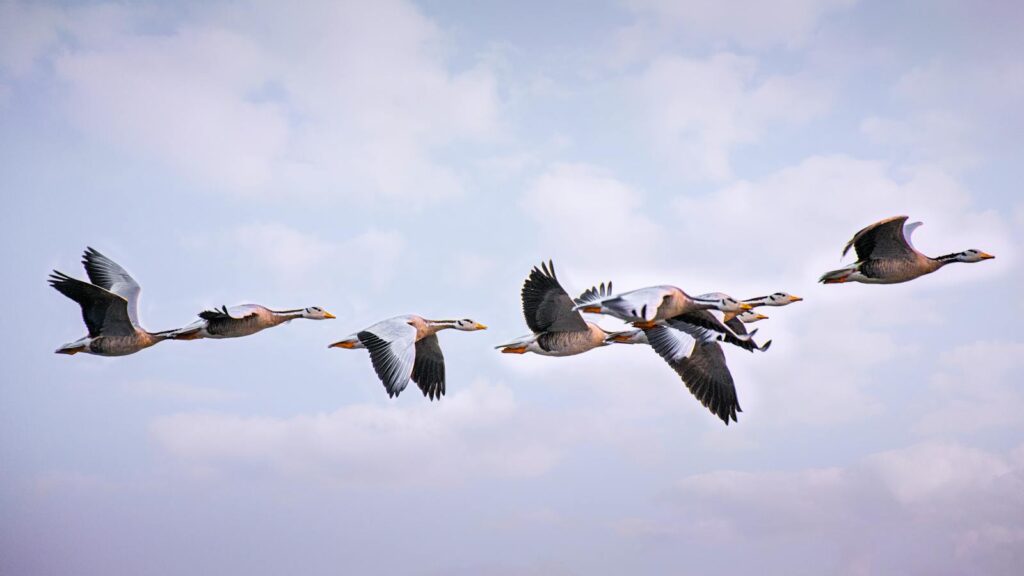
Bar-headed geese possess several remarkable physiological adaptations that enable their high-altitude prowess. Their hemoglobin has a higher affinity for oxygen than that of most birds, allowing them to extract more oxygen from the thin air. Additionally, they have larger lungs relative to their body size compared to other waterfowl, increasing their respiratory capacity significantly. The capillary density in their flight muscles is also greater, ensuring efficient oxygen delivery to tissues that need it most during sustained flight. Perhaps most impressively, these geese have a unique ability to hyperventilate without the alkalosis that would affect other animals, allowing them to maintain appropriate blood chemistry even when breathing rapidly at high altitudes.
The Whooper Swan’s Impressive Altitude Records
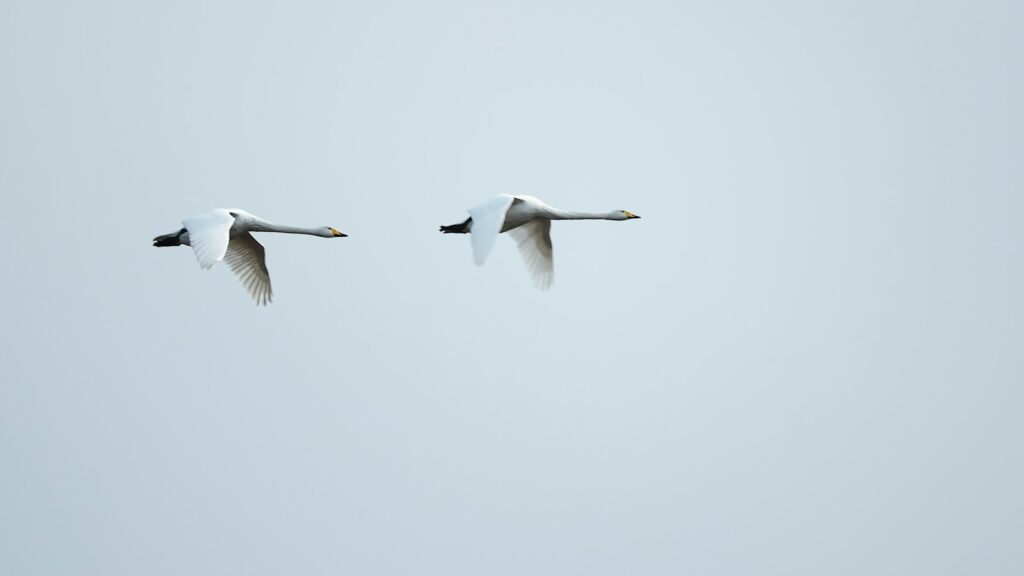
While the bar-headed goose might claim the highest absolute altitude record, the whooper swan (Cygnus cygnus) deserves recognition for its own remarkable high-altitude achievements. These magnificent birds have been recorded flying at heights of up to 27,000 feet (8,200 meters) during their migrations between Arctic breeding grounds and temperate wintering areas. What makes this particularly notable is that whooper swans are significantly heavier than bar-headed geese, with adult males often weighing over 25 pounds (11.4 kg). The energy required to lift and maintain such mass at these elevations speaks to the incredible efficiency of their flight muscles and respiratory systems. Their migrations often take them over mountainous regions and large bodies of water, where high-altitude flight helps them overcome geographic barriers.
The Greater White-fronted Goose’s Surprising Ceiling
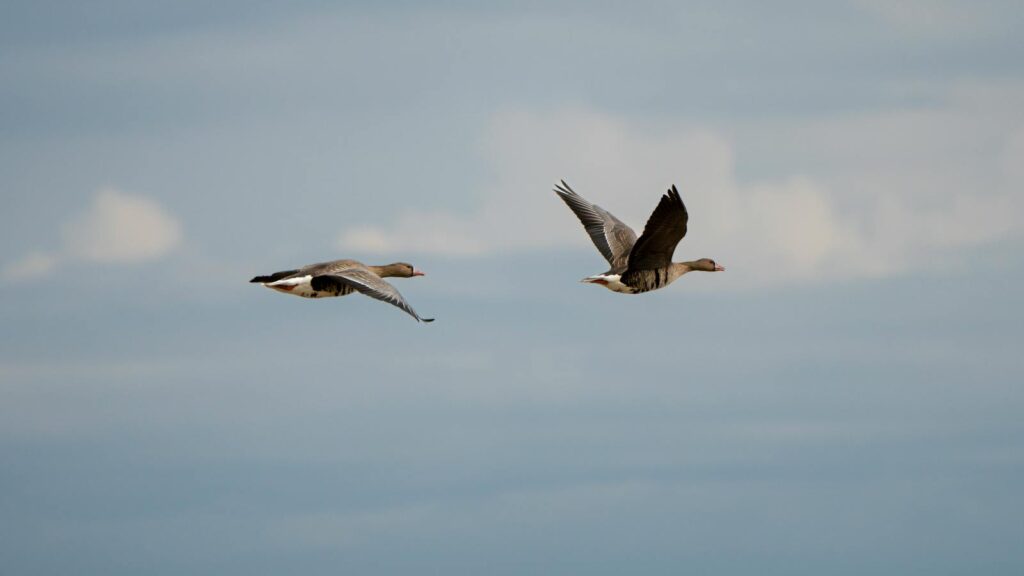
The greater white-fronted goose (Anser albifrons) has repeatedly surprised researchers with its high-altitude capabilities despite lacking the specialized adaptations of the bar-headed goose. These birds have been documented flying at altitudes of up to 20,000 feet (6,100 meters) during their migrations across North America and Eurasia. What makes this particularly interesting is that these geese don’t necessarily need to reach such heights for their typical migration routes, suggesting they might ascend to these elevations to take advantage of favorable winds or avoid adverse weather conditions. Tracking studies have shown that greater white-fronted geese can maintain these impressive altitudes for extended periods, demonstrating remarkable endurance and respiratory efficiency.
How Scientists Track High-Flying Geese
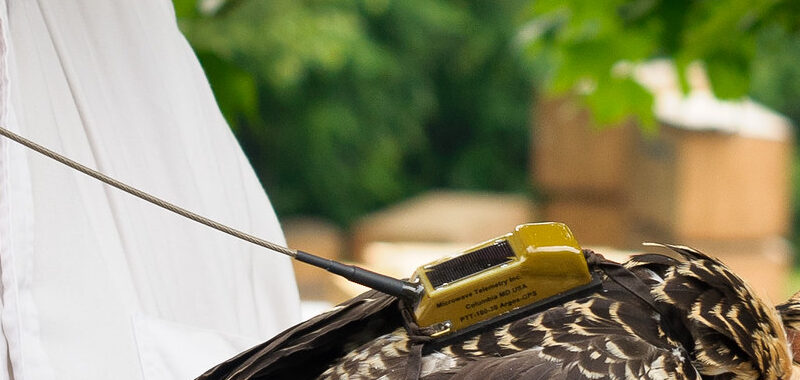
Documenting the extreme altitudes achieved by geese has required significant technological innovation and persistence from researchers. Early records relied primarily on visual observations from aircraft or radar readings, which provided limited data. Modern tracking employs sophisticated GPS transmitters weighing just a few grams that can be safely attached to the birds, recording not only their geographic location but also their altitude and speed in real-time. These devices often incorporate accelerometers that provide insights into wing-beat frequency and flight behavior at different elevations. Some cutting-edge studies even use implanted sensors that can measure the birds’ heart rates, body temperatures, and blood oxygen levels during high-altitude flights, offering unprecedented windows into their physiological responses to these extreme conditions.
Breaking Records: The Highest Goose Flight Ever Recorded
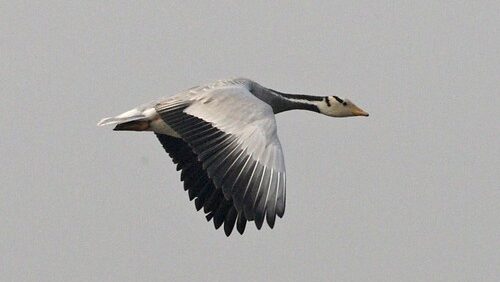
The highest scientifically verified altitude for a goose in flight belongs to a bar-headed goose documented during a 2014 study conducted by researchers from the University of Exeter. This particular bird was recorded flying at an astonishing 29,500 feet (9,000 meters) over the Himalayas – higher than Mount Everest. What makes this record particularly remarkable is that the bird maintained this altitude for over 20 minutes while facing temperatures of approximately -40°F (-40°C) and oxygen levels less than a third of those at sea level. The GPS tracking data revealed that the goose did not merely drift at this height but actively flew with regular wing beats, demonstrating conscious control rather than being carried involuntarily by updrafts or winds.
The Snow Goose’s High-Altitude Migration Strategies

Snow geese (Chen caerulescens) have developed their own approach to high-altitude flight that differs from their Himalayan-crossing cousins. These North American migrants have been recorded flying at altitudes of up to 20,000 feet (6,100 meters) during their journeys between Arctic breeding grounds and southern wintering areas. Unlike bar-headed geese, snow geese appear to ascend gradually, gaining altitude incrementally as they travel rather than making dramatic climbs. This strategy may help them acclimatize to changing oxygen levels while conserving energy. Interestingly, researchers have observed that snow geese often fly higher during nighttime migrations than during daylight hours, possibly to take advantage of cooler, more stable air conditions that reduce the energy cost of flight.
Why Fly So High? The Advantages of Altitude
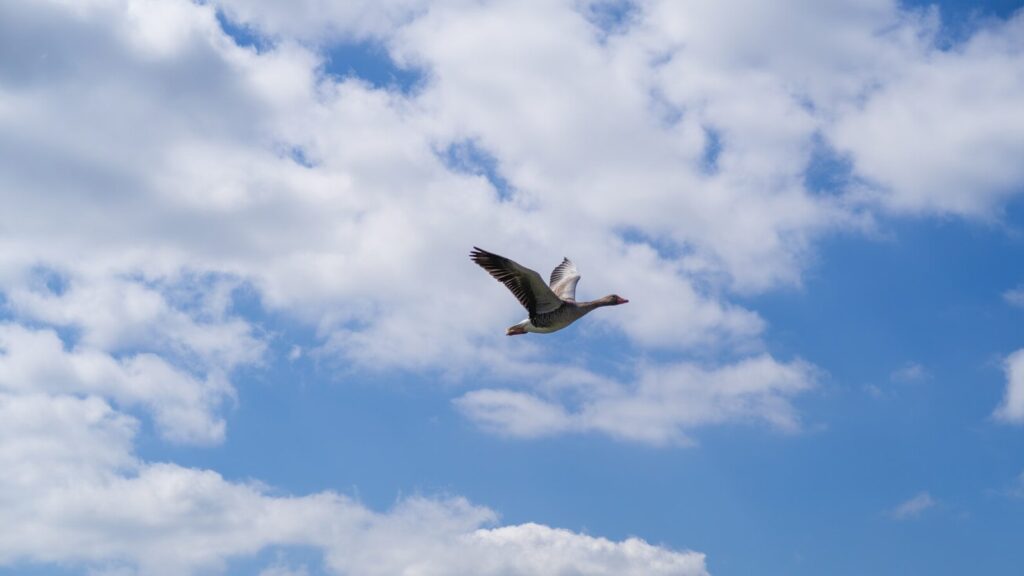
The extreme altitudes achieved by geese aren’t merely impressive statistics but represent sophisticated survival strategies. High-altitude flight often allows these birds to access more favorable wind conditions, particularly the jet streams that can significantly reduce energy expenditure during long migrations. Researchers estimate that by riding these high-altitude currents, geese can increase their ground speed by over 30% while reducing their energy consumption. Flying higher also helps birds avoid predators that cannot reach such elevations and reduces the risk of collisions with landscape features or human structures. Additionally, the colder temperatures at high altitudes help prevent overheating during the intense exertion of long-distance migration, acting as a natural cooling system for birds that are essentially “running marathons” in the sky.
Comparing Goose Altitudes to Human Aviation Milestones
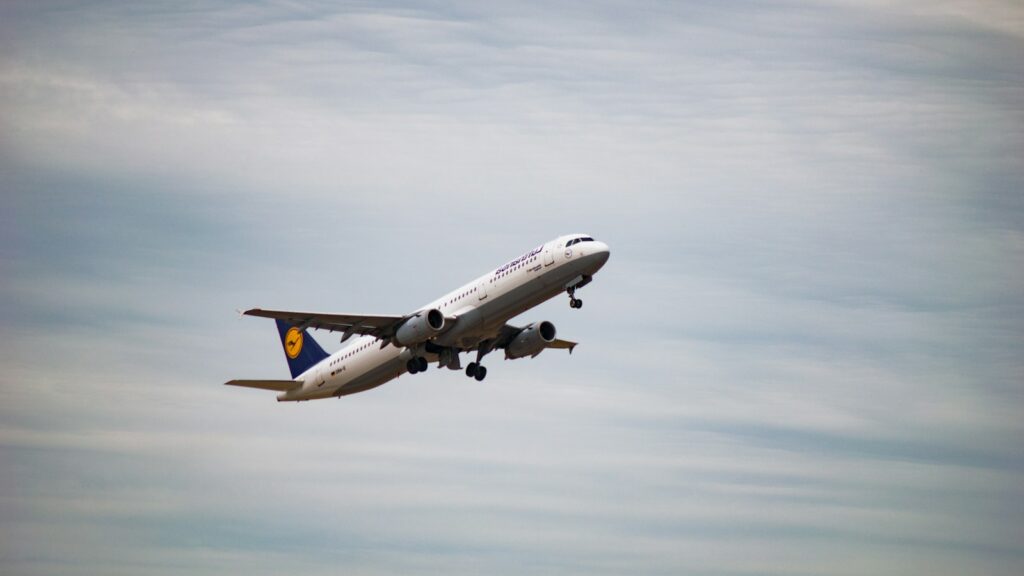
To truly appreciate the altitude achievements of geese, it’s worth comparing them to human aviation milestones. Commercial passenger aircraft typically cruise between 30,000-40,000 feet (9,100-12,200 meters), only marginally higher than the documented flights of bar-headed geese. Most small private planes cannot safely operate above 15,000 feet (4,600 meters) without supplemental oxygen systems – a height regularly exceeded by multiple goose species. Perhaps most tellingly, humans ascending to the altitudes routinely achieved by bar-headed geese would experience severe hypoxia within minutes without supplemental oxygen and would likely lose consciousness shortly thereafter. The fact that these birds not only survive but perform the energy-intensive activity of flight at such heights underscores just how extraordinary their physiological adaptations truly are.
Climate Change and Its Impact on High-Altitude Goose Flights
Emerging research suggests that climate change may be altering the high-altitude flight patterns of various goose species in complex ways. Warming temperatures in Arctic and mountain regions are changing wind patterns, potentially making some traditional high-altitude routes less advantageous. Studies tracking bar-headed geese over the past decade have noted subtle shifts in their flight corridors across the Himalayas, with some populations flying slightly lower than historical records indicated. Conversely, some North American goose populations appear to be flying higher than in previous decades, possibly to compensate for warmer conditions at lower altitudes. These changes highlight the remarkable adaptability of these birds but also raise questions about whether there may be physiological limits to their adaptation if current climate trends continue.
Lesser-Known Goose Species with Impressive Altitude Records
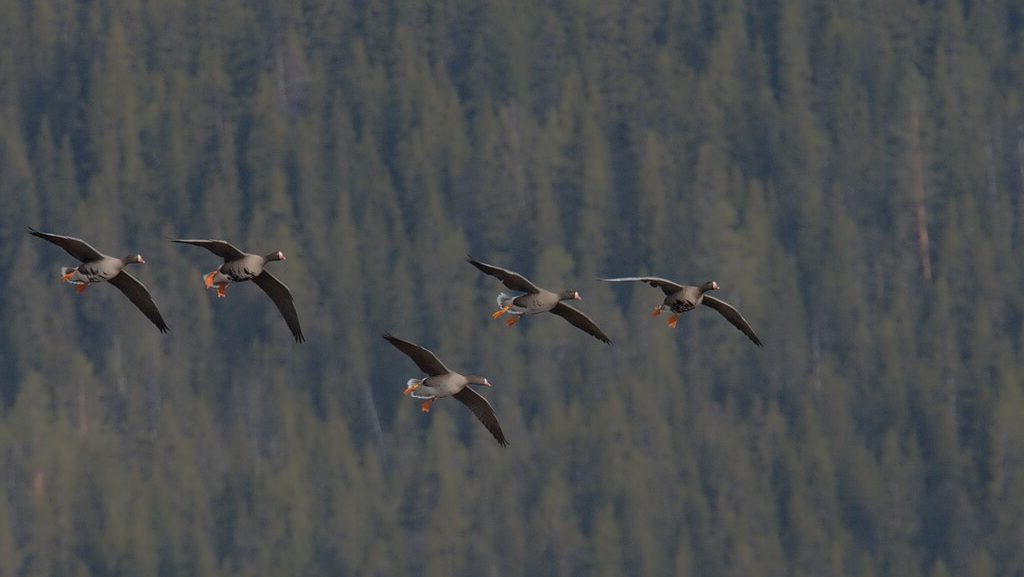
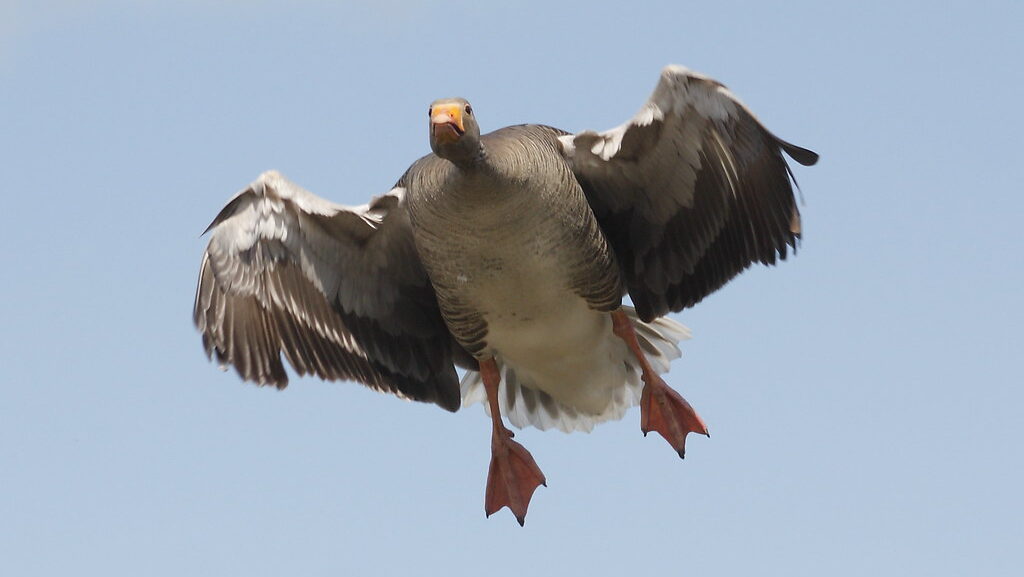
While bar-headed geese receive much of the attention for their altitude achievements, several lesser-known goose species deserve recognition for their own impressive high-altitude capabilities. The lesser white-fronted goose (Anser erythropus), despite its small size, has been documented flying at heights exceeding 18,000 feet (5,500 meters) during migrations across Central Asia. The Ross’s goose (Chen rossii), North America’s smallest true goose, compensates for its diminutive stature with remarkable flying ability, reaching altitudes of up to 16,000 feet (4,900 meters) during migrations. Perhaps most surprising are the occasional extreme altitude records from domesticated geese, with a notable case from 2019 when a feral greylag goose in Europe was tracked flying alongside wild migrants at an unexpected altitude of 14,000 feet (4,300 meters), demonstrating that even domesticated birds retain some of their wild ancestors’ physiological capabilities.
The Future of Goose Altitude Research
Scientists studying high-flying geese are embracing exciting new technologies that promise to reveal even more about these remarkable birds. Miniaturized sensors that can measure real-time blood gases and metabolic processes during flight are being developed, which could provide unprecedented insights into how these birds manage oxygen at extreme altitudes. Wind tunnel studies with varying oxygen concentrations are helping researchers understand the precise physiological mechanisms that make their high-altitude flights possible. Perhaps most exciting is the application of computational fluid dynamics to analyze feather and wing structures, which may reveal previously unknown aerodynamic adaptations that contribute to efficient high-altitude flight. These advances not only deepen our understanding of avian biology but also have potential applications in fields ranging from aerospace design to high-altitude human medicine.
Conclusion
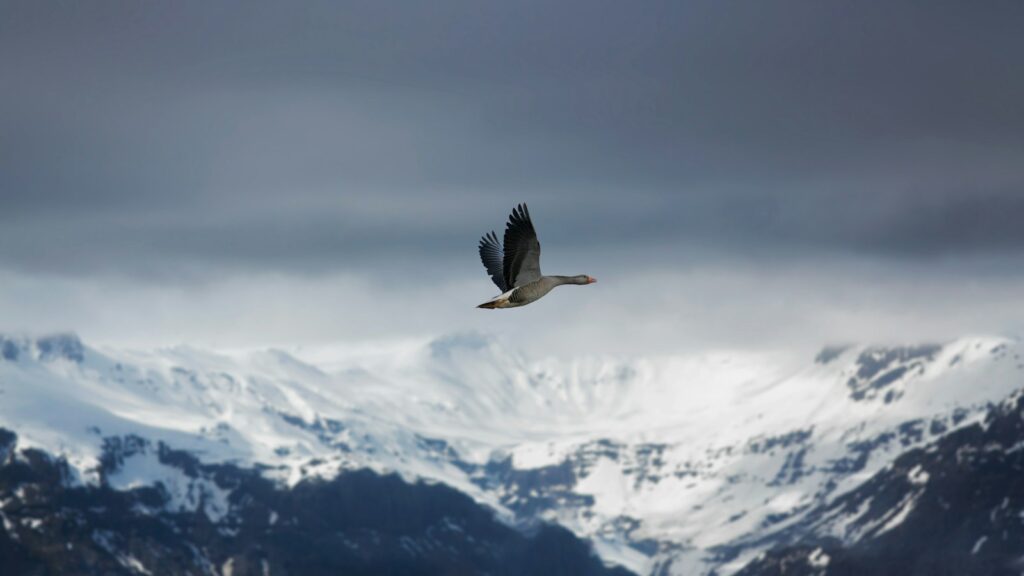
The altitude records achieved by various goose species represent some of the most remarkable feats in the animal kingdom. From the bar-headed goose’s Himalayan crossings at elevations rivaling commercial aircraft to the surprising heights reached by seemingly ordinary species, these birds demonstrate the extraordinary capabilities that evolution can produce. Their physiological adaptations – specialized hemoglobin, efficient lungs, and remarkable metabolism – allow them to thrive in conditions that would quickly incapacitate humans. As we continue to develop more sophisticated tracking and monitoring technologies, we may discover that these already impressive altitude records are actually conservative estimates. The next time you spot a flock of geese overhead, take a moment to appreciate these masters of the sky – birds capable of achievements that, until relatively recently in human history, we could only dream of matching.