

Soaring high above mountain ranges and spanning continents during migration, geese have evolved remarkable adaptations for high-altitude flight that continue to astound ornithologists and aviation experts alike. These magnificent birds routinely navigate through thin air at elevations that would require supplemental oxygen for humans. Their physiological adaptations and flight capabilities represent some of nature’s most impressive feats of endurance and biological engineering. For birdwatchers and wildlife enthusiasts, understanding the altitude achievements of different goose species adds a fascinating vertical dimension to bird observation. This article explores the most extraordinary altitude records set by various goose species around the world, offering insights into how and why these birds reach such breathtaking heights.
The Bar-headed Goose: Himalayan Champion
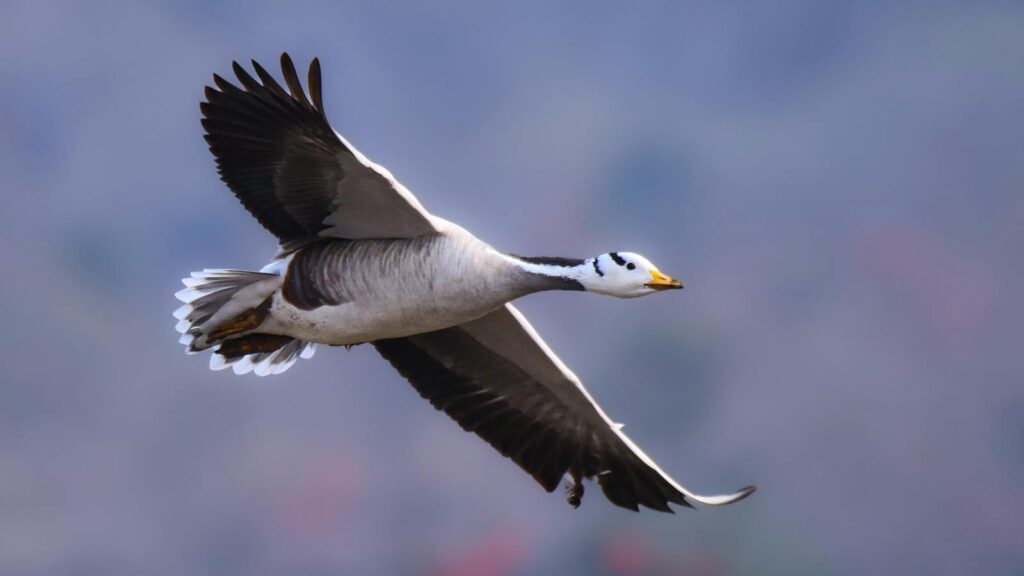
The undisputed king of high-altitude avian flight, the Bar-headed Goose (Anser indicus) holds the world record for the highest flying bird with documented sightings at an astonishing 29,000 feet (8,840 meters). These remarkable birds routinely cross the Himalayan mountain range during their biannual migrations between breeding grounds in Tibet and winter territories in India. Their journey takes them over Mount Everest and other peaks in the highest mountain range on Earth. The bar-headed goose’s extraordinary altitude capabilities are supported by specialized physiological adaptations including hemoglobin that binds oxygen more efficiently than other bird species, larger wing surface relative to body weight, and enhanced cardiac performance at high elevations. Scientists studying these geese have discovered they have more capillaries in their flight muscles than lowland species, allowing for better oxygen delivery during the most challenging parts of their migration.
The Greylag Goose: European High-Flyer
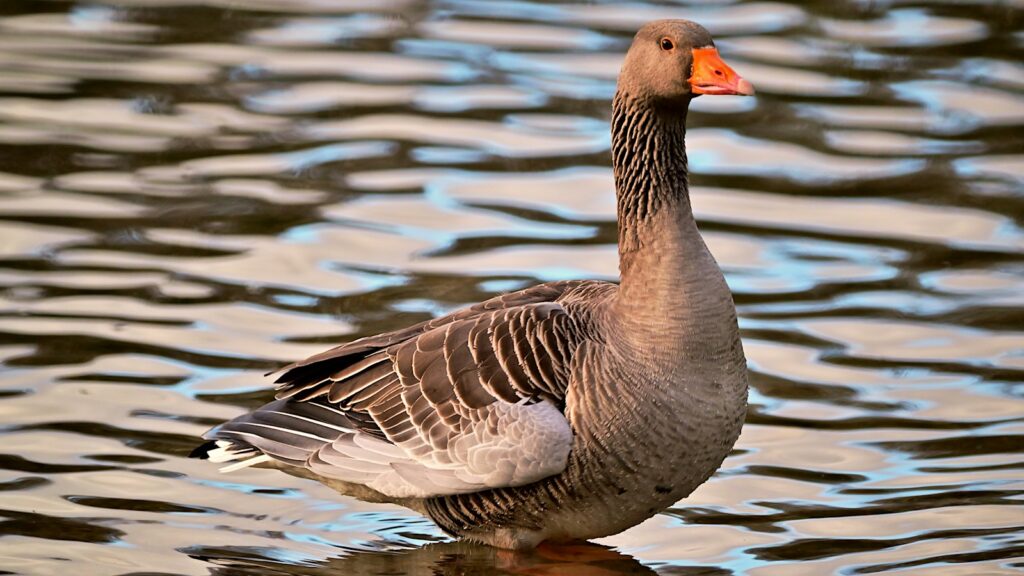
The Greylag Goose (Anser anser), ancestor to most domestic goose breeds, has been recorded at impressive altitudes of up to 20,000 feet (6,096 meters) during migration across Europe and parts of Asia. These large, robust birds navigate mountain ranges including the Alps and Carpathians during their seasonal movements. While not matching the extreme heights of their Himalayan cousins, Greylag Geese demonstrate remarkable stamina and elevation tolerance. Their migration strategy typically involves flying at moderate altitudes between 2,000-8,000 feet for efficiency, but they can ascend significantly higher when crossing mountainous terrain or avoiding adverse weather conditions. Research tracking these birds with satellite transmitters has revealed they adjust their flying altitude precisely in response to topography and air currents, displaying sophisticated navigation capabilities.
Canada Goose: North American Altitude Master
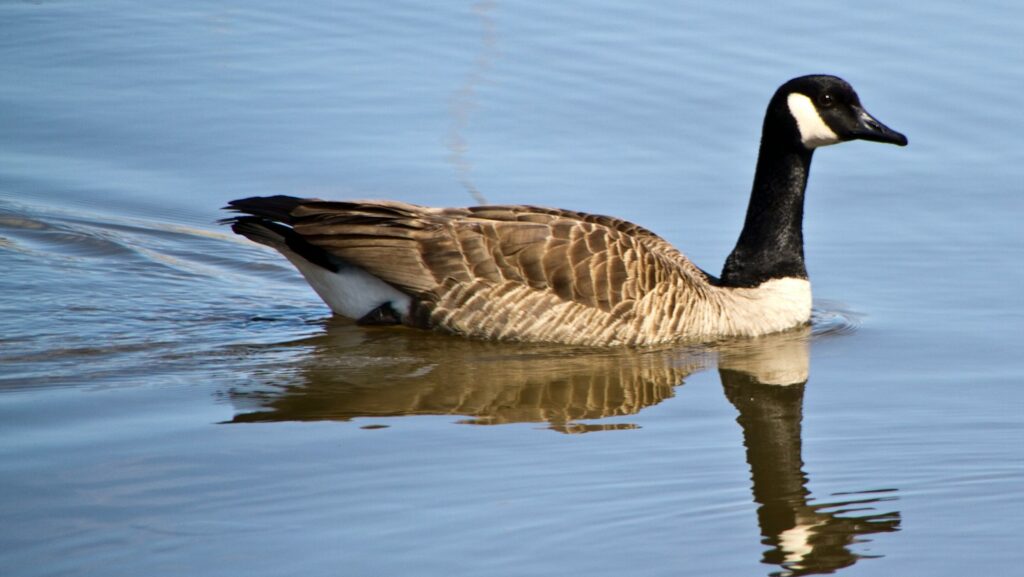
The iconic Canada Goose (Branta canadensis) regularly reaches altitudes of 8,000-9,000 feet (2,438-2,743 meters) during migration, with exceptional records documenting individuals at up to 16,000 feet (4,877 meters). These adaptable and widespread birds traverse vast distances across North America, crossing mountain ranges like the Rockies and Cascades during their seasonal journeys. Their V-formation flight pattern contributes significantly to their ability to maintain energy efficiency at higher elevations where air resistance is reduced. Canada Geese possess specialized respiratory systems that extract maximum oxygen from the thin mountain air, allowing them to maintain aerobic metabolism even when oxygen levels would leave humans gasping. Aircraft pilots frequently report encounters with Canada Geese at surprising altitudes, especially during fall and spring migration periods when these birds are covering hundreds of miles daily.
The Greater Snow Goose: Arctic Navigator
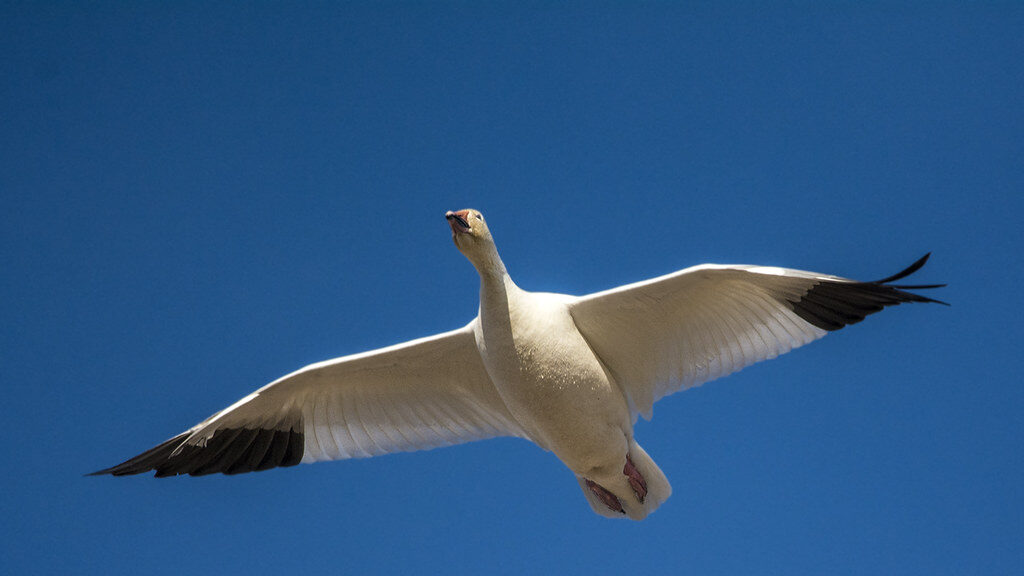
Greater Snow Geese (Chen caerulescens atlantica) have been documented flying at altitudes of up to 15,500 feet (4,724 meters) during their lengthy migrations between the Canadian Arctic and Atlantic coastal regions. These striking white birds with black wingtips undertake one of the most extreme latitudinal migrations of any North American goose species. Radar tracking has revealed that Snow Geese often maintain cruising altitudes between 5,000-8,000 feet for extended periods, occasionally climbing much higher to take advantage of favorable winds or clear challenging terrain. Their specialized lung architecture, which includes air sacs that extend throughout their bodies, allows for extraordinary oxygen exchange efficiency even in the thin air of high elevations. Snow Geese display remarkable physiological flexibility, rapidly adapting to changing oxygen availability as they ascend and descend through different atmospheric layers during their twice-yearly migrations.
The Lesser White-fronted Goose: Endangered High-Altitude Specialist
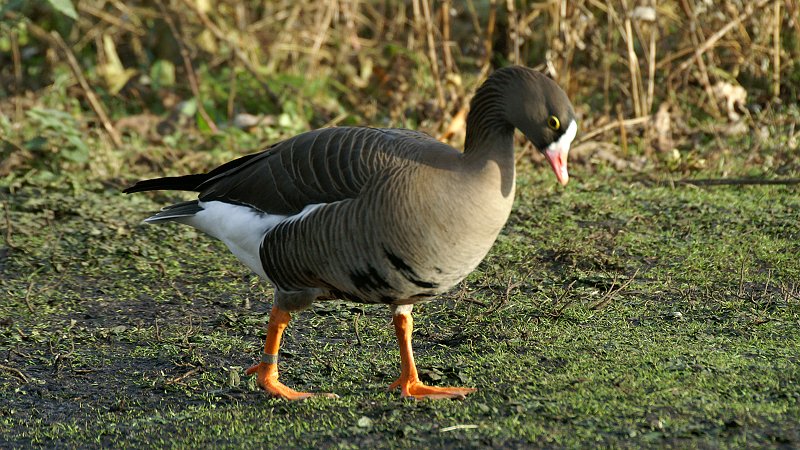
The endangered Lesser White-fronted Goose (Anser erythropus) has been recorded at impressive altitudes of up to 12,000 feet (3,658 meters) during migrations across northern Europe and Asia. Despite their declining population, these small geese maintain traditional migration routes that require crossing significant mountain ranges and plateaus. Their compact body design and proportionally larger wings provide exceptional lift capabilities in thin mountain air. Scientists studying their migration patterns have discovered that these geese employ a strategy of rapidly ascending to higher altitudes where headwinds are reduced, rather than fighting against stronger air currents at lower elevations. The Lesser White-fronted Goose’s ability to navigate precisely along ancient flyways while maintaining energy-efficient high-altitude flight demonstrates the remarkable evolutionary adaptations that have allowed these birds to thrive in challenging environments for millennia.
The Brant Goose: Maritime High-Flyer
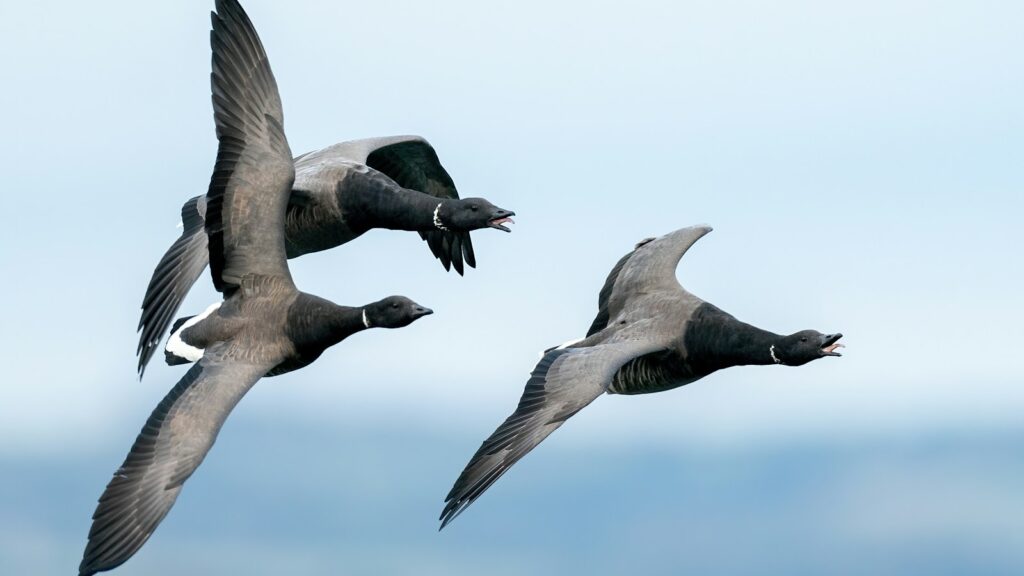
The Brent or Brant Goose (Branta bernicla) typically maintains lower migration altitudes than some other species due to its predominantly coastal routes, but has still been documented reaching surprising heights up to 11,000 feet (3,353 meters) when crossing land masses. These compact, dark geese breed in the high Arctic and winter along temperate coastlines, making them specialists in long-distance marine migration. Their preference for flying over water usually keeps them at lower elevations, but when forced inland by geography or weather, they demonstrate impressive climbing abilities. Radar studies have shown that Brent Geese will rapidly gain altitude when encountering land barriers, maintaining efficient flight mechanics even as oxygen levels decrease. Their remarkable endurance allows them to sustain powered flight for over 1,500 miles (2,400 km) without stopping, crossing vast stretches of the North Atlantic and Pacific oceans during their annual migrations.
The Red-breasted Goose: Continental Crosser

The striking Red-breasted Goose (Branta ruficollis) has been observed flying at elevations reaching 10,000 feet (3,048 meters) during its migrations between Arctic Russia and southeastern Europe. These medium-sized geese with their distinctive chestnut and black plumage cross the Ural Mountains and vast continental expanses during their biannual journeys. Their migration strategy involves climbing to higher altitudes to take advantage of tailwinds that significantly enhance their travel speed and efficiency. Research using GPS tracking devices has revealed that Red-breasted Geese adjust their flight altitude throughout the day, often ascending higher during daylight hours when thermal updrafts provide free lift. Despite being one of the most threatened goose species globally, these birds maintain ancient migration pathways that require precision navigation across diverse landscapes at varying altitudes.
The Pink-footed Goose: Rapid Ascender
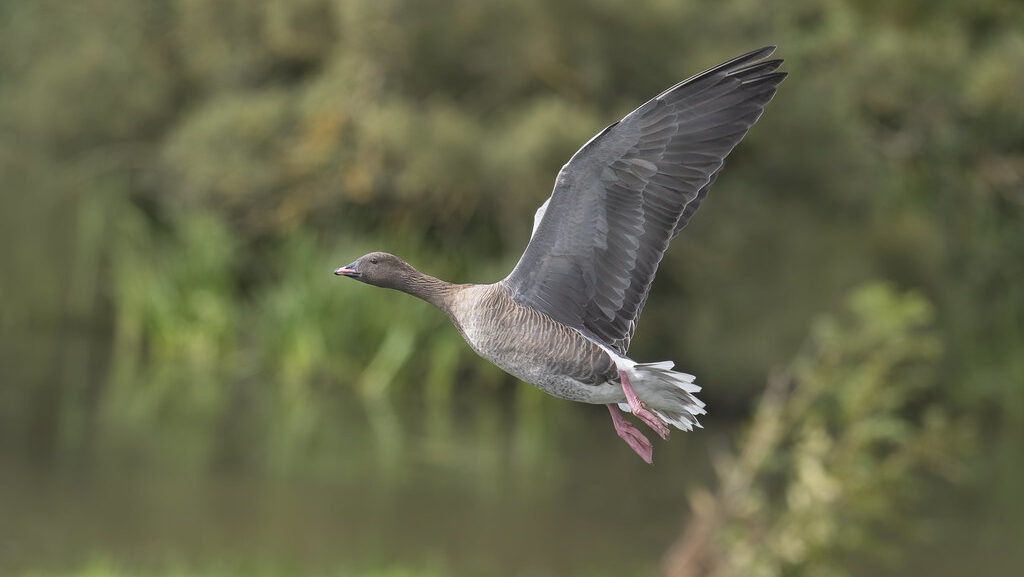
The Pink-footed Goose (Anser brachyrhynchus) has demonstrated remarkable climbing capabilities, ascending to altitudes of 9,000 feet (2,743 meters) within minutes when necessary during their migrations between Greenland, Iceland, and the British Isles. These medium-sized, gray-brown geese with their namesake pink legs are masters of rapid altitude adjustments to optimize flight conditions. Their migration routes across the North Atlantic require crossing sections of open ocean and mountainous islands, demanding versatile flight strategies. Researchers studying their flight patterns have documented Pink-footed Geese achieving vertical climb rates exceeding 1,000 feet per minute when escaping predators or navigating sudden weather changes. Their specialized respiratory systems allow them to maintain adequate oxygen supply despite these rapid altitude changes, preventing the physiological stress that such ascents would cause in mammals.
The Emperor Goose: Beringian Altitude Navigator
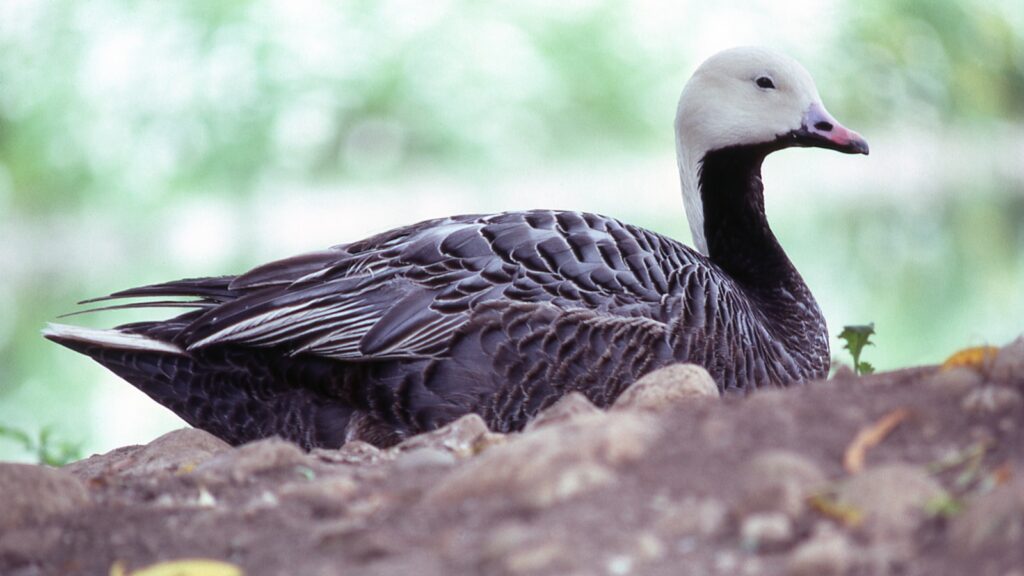
The Emperor Goose (Anser canagicus) of the Bering Sea region has been documented reaching altitudes of 8,500 feet (2,591 meters) during migrations between Alaska and eastern Russia. These distinctive blue-gray geese with white heads navigate some of the most challenging and unpredictable weather conditions of any migratory bird. Their ability to ascend rapidly allows them to avoid dangerous storm systems that frequently develop in their subarctic range. Emperor Geese possess specially adapted circulatory systems that maintain consistent blood flow to vital organs even during high-altitude flight where atmospheric pressure is significantly reduced. Their migration strategy involves flying high enough to avoid coastal fog and precipitation that characterize their maritime habitat, while remaining low enough to maintain visual contact with distinctive shoreline features that guide their journey across the Bering Strait.
The Egyptian Goose: African Elevation Expert
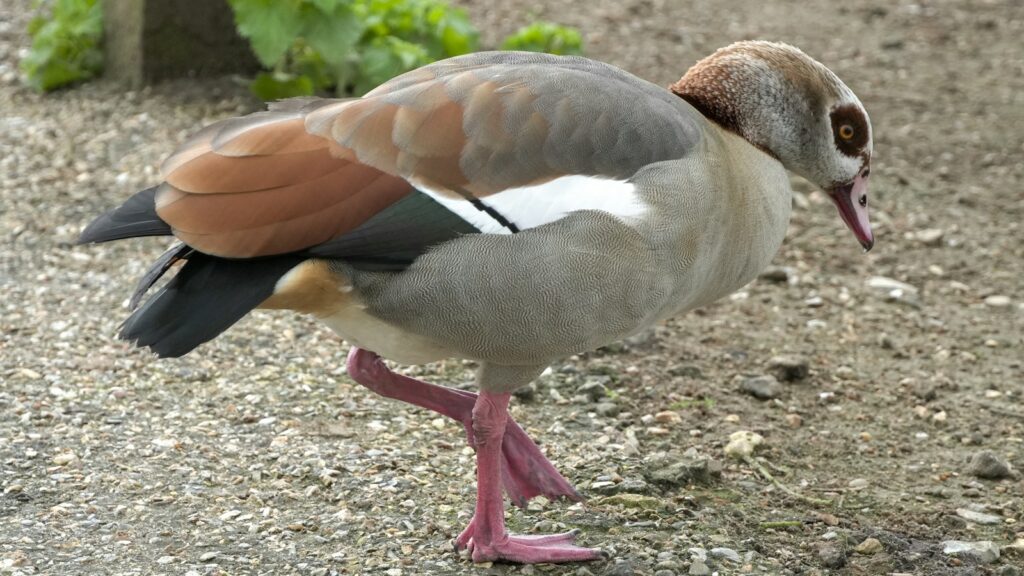
Though technically a sheldgoose rather than a true goose, the Egyptian Goose (Alopochen aegyptiaca) deserves mention for its impressive altitude capabilities, regularly flying at 8,000 feet (2,438 meters) across African mountain ranges with exceptional records of individuals spotted at 14,000 feet (4,267 meters) in Ethiopia’s highlands. These adaptable birds maintain resident populations at remarkably high elevations in East Africa’s mountain plateaus and rift valleys. Their physiological adaptations include enhanced oxygen-carrying capacity in their blood and efficient respiratory systems that function effectively in the thin air of African highlands. Egyptian Geese can transition seamlessly between high-altitude lakes and lowland waterways, demonstrating remarkable acclimatization abilities that few other waterfowl possess. Their presence at extreme elevations has been documented since ancient times, with rock art depicting these distinctive birds at high mountain sites throughout their native range.
Physiological Adaptations for High-Altitude Flight
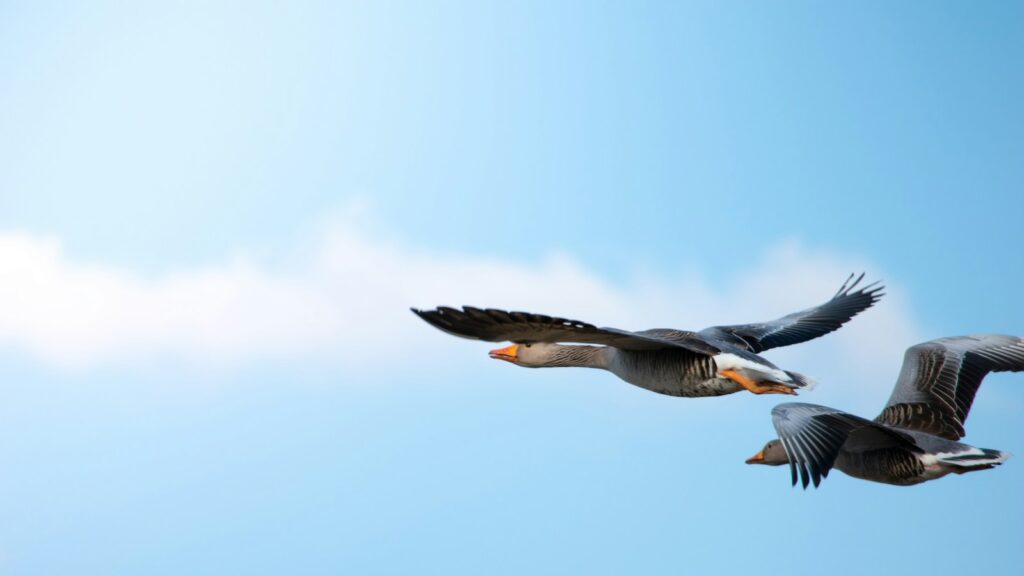
The extraordinary altitude achievements of geese are made possible through specialized physiological adaptations that have evolved over millions of years. Unlike human climbers who require supplemental oxygen above 26,000 feet, geese function normally at these extreme elevations through a combination of efficient respiratory systems, specialized hemoglobin, and optimized cardiovascular performance. Their lungs extract oxygen during both inhalation and exhalation through a unique “flow-through” respiratory system that maintains higher oxygen saturation than the mammalian breathing pattern. Goose hemoglobin binds oxygen more efficiently at low partial pressures, allowing them to extract sufficient oxygen even from thin mountain air. Additionally, their cardiovascular systems can rapidly increase blood flow to flight muscles during high-altitude exertion while maintaining critical functions in the brain and other vital organs.
Technological Insights and Research Methods
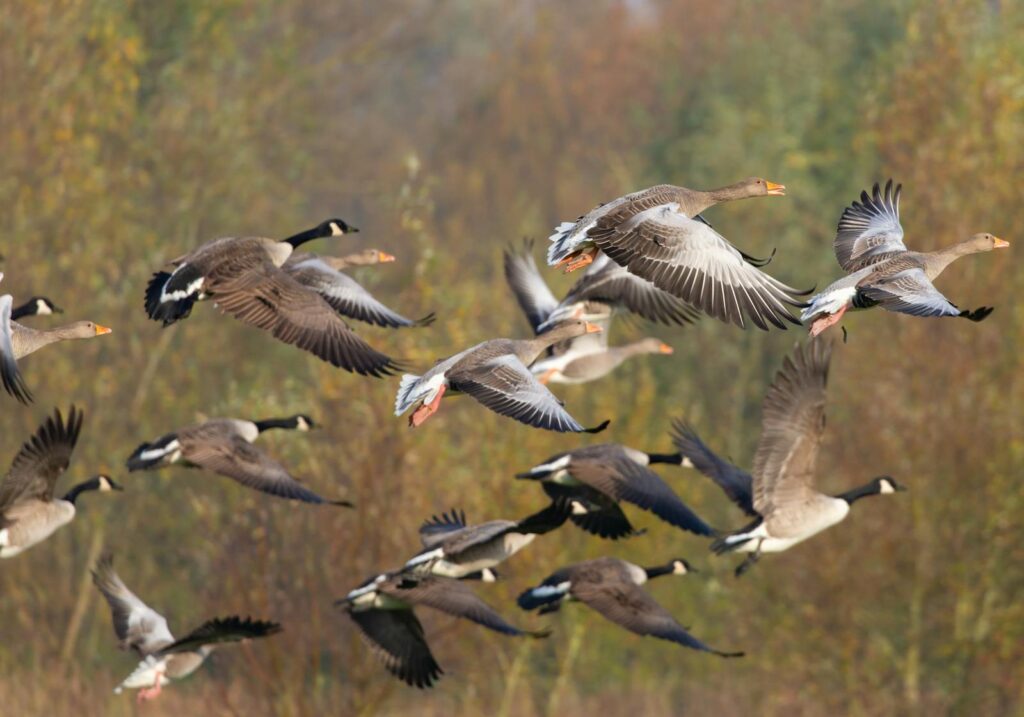
Modern tracking technologies have revolutionized our understanding of goose flight altitudes and migration strategies. Satellite transmitters weighing less than 30 grams can now be safely attached to migrating geese, providing real-time data on altitude, speed, and geographical position throughout their journeys. Weather radar networks originally designed for meteorological observations have proven invaluable for documenting large-scale goose migrations and their altitude distributions across continents. High-altitude aircraft and mountain observations stations continue to provide important verification of extreme altitude records, with pilots occasionally reporting direct visual contact with geese at elevations that challenge the operational ceilings of some aircraft. Laboratory studies using hypobaric chambers simulate high-altitude conditions to measure physiological responses and limitations, helping scientists understand how these remarkable birds achieve what was once thought biologically impossible.
Conclusion: The Significance of Avian Altitude Records
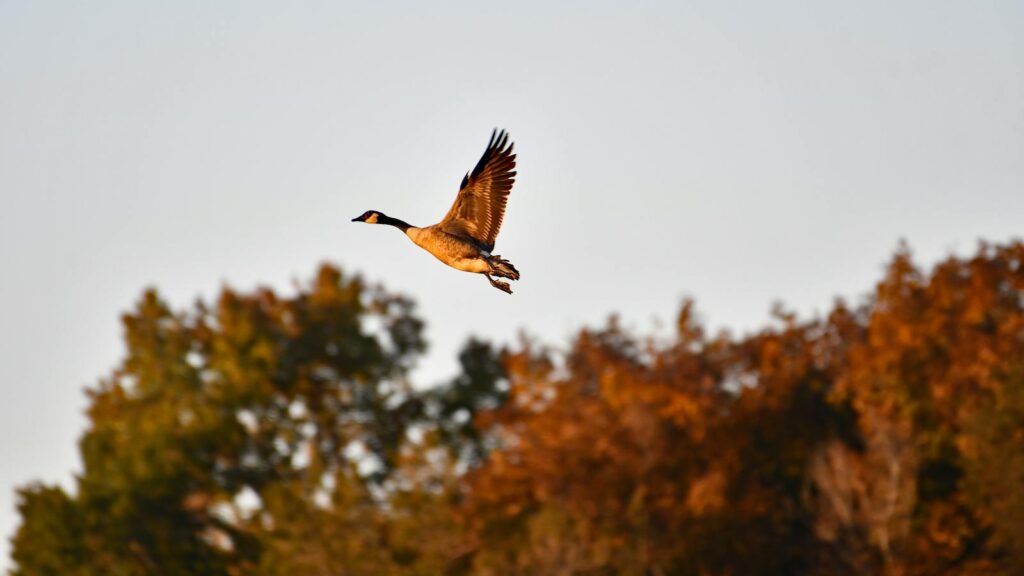
The remarkable altitude capabilities of geese represent one of nature’s most impressive evolutionary achievements, allowing these birds to cross seemingly insurmountable geographic barriers during their seasonal migrations. From the bar-headed goose’s Himalayan crossings to the more modest but still impressive heights reached by species across every continent, these records demonstrate the extraordinary adaptability of avian physiology. For birdwatchers, understanding the vertical dimension of goose migration adds a new perspective to wildlife observation, particularly when witnessing flocks during spring and fall movements. As climate change continues to alter atmospheric conditions and weather patterns, monitoring how these altitude specialists adapt their flight strategies may provide valuable insights into the resilience of migratory birds. The next time you observe geese flying overhead, consider the possibility that they might be capable of soaring higher than commercial airliners—a testament to the wonders of natural engineering.