

In the pitch-black recesses of our planet, where sunlight never reaches and time seems to stand still, exists a remarkable avian species that has abandoned the sky for the shadows. The Oilbird (Steatornis caripensis), also known as Guácharo, is the world’s only nocturnal flying fruit-eating bird and the only bird species that dwells exclusively in caves. Unlike most birds that build nests in trees or on the ground under open skies, the Oilbird has evolved to thrive in the eternal darkness of cave systems throughout northern South America and Trinidad. This extraordinary evolutionary adaptation makes it one of the most fascinating and specialized birds on Earth, challenging our typical understanding of avian life and showcasing nature’s incredible ability to fill even the most extreme ecological niches.
The Discovery and Naming of the Oilbird
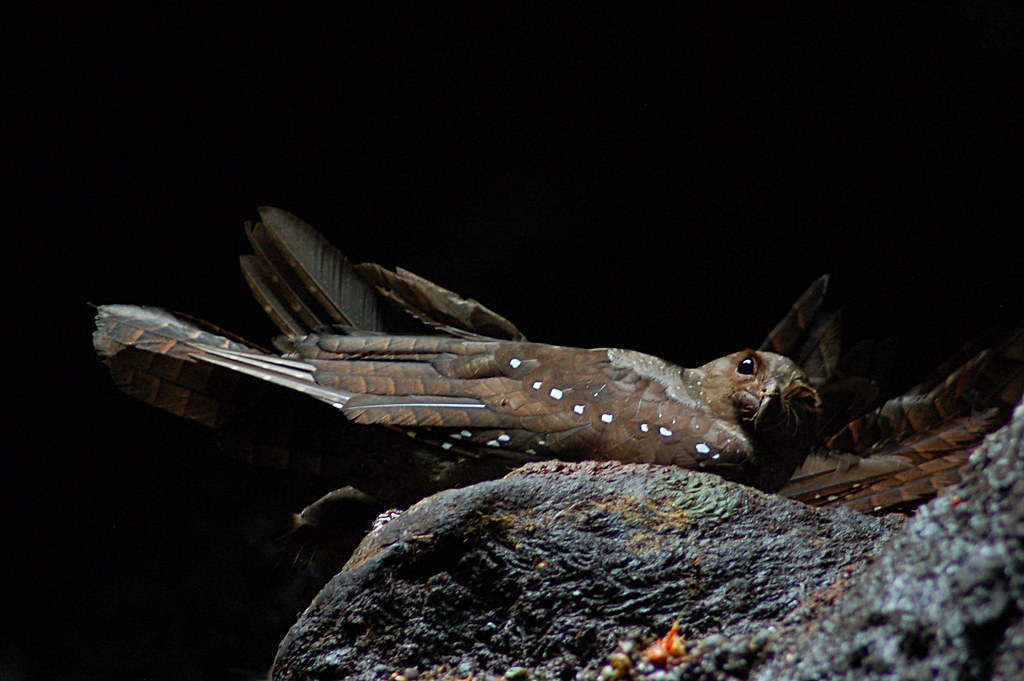
The scientific world first formally documented the Oilbird in 1799 when the renowned German naturalist Alexander von Humboldt explored the Cueva del Guácharo (Guácharo Cave) in Venezuela. Local indigenous people had known about these birds for centuries, harvesting their chicks for oil—a practice that contributed to the bird’s English name. When Humboldt witnessed these strange cave-dwelling birds, he was astonished by their unusual habitat and behaviors, eventually giving them the scientific name Steatornis caripensis, which roughly translates to “fat bird of Caripe,” referencing both their oily nature and the location of their discovery. The Spanish name “Guácharo” comes from an indigenous word meaning “one who cries and laments,” referring to the bird’s eerie, metallic shrieks that echo hauntingly throughout their cave homes.
Physical Characteristics of the Cave-Dwelling Specialist
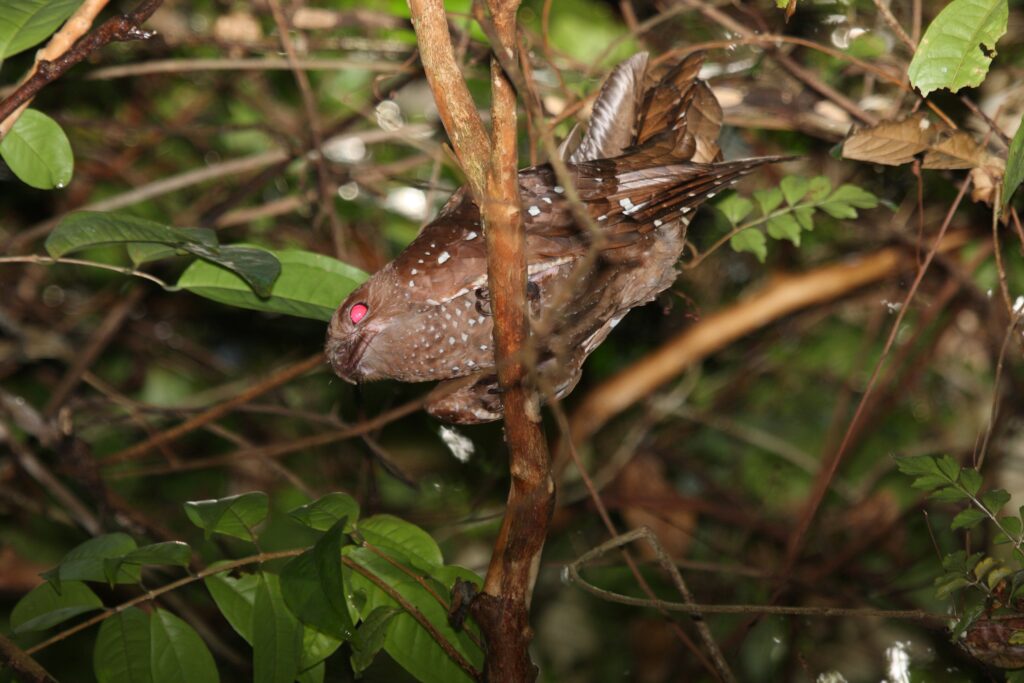
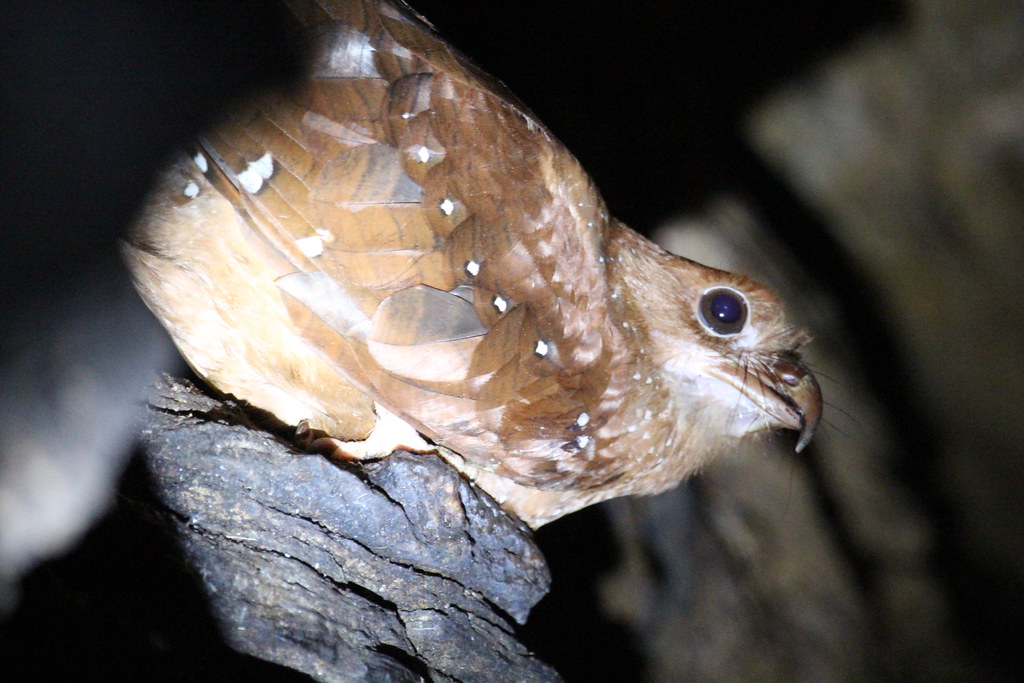
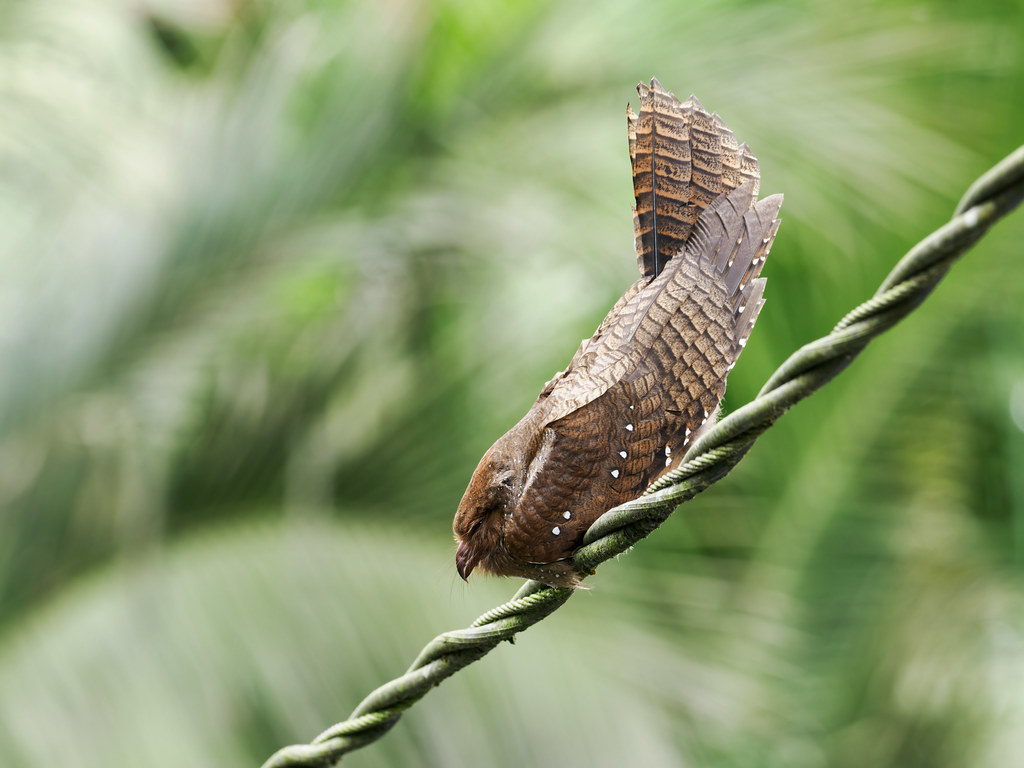
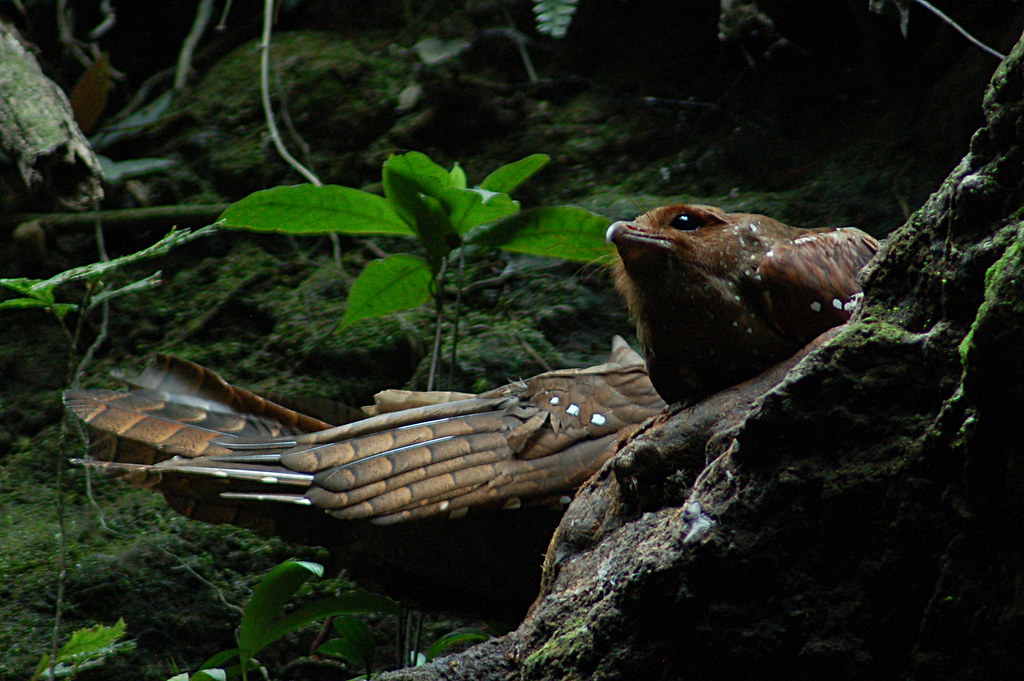
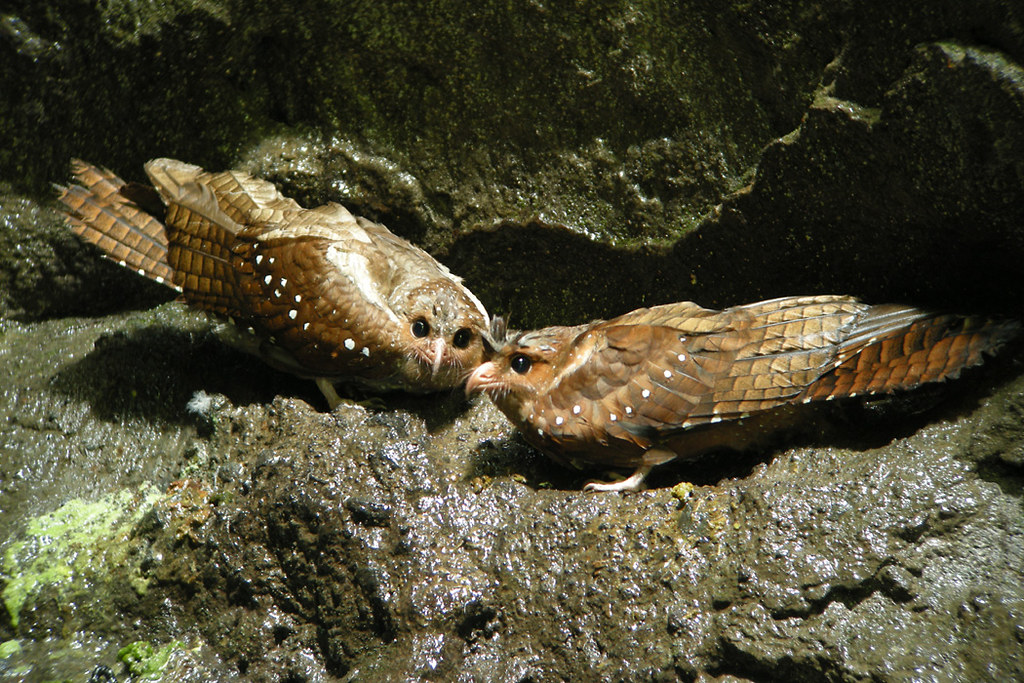
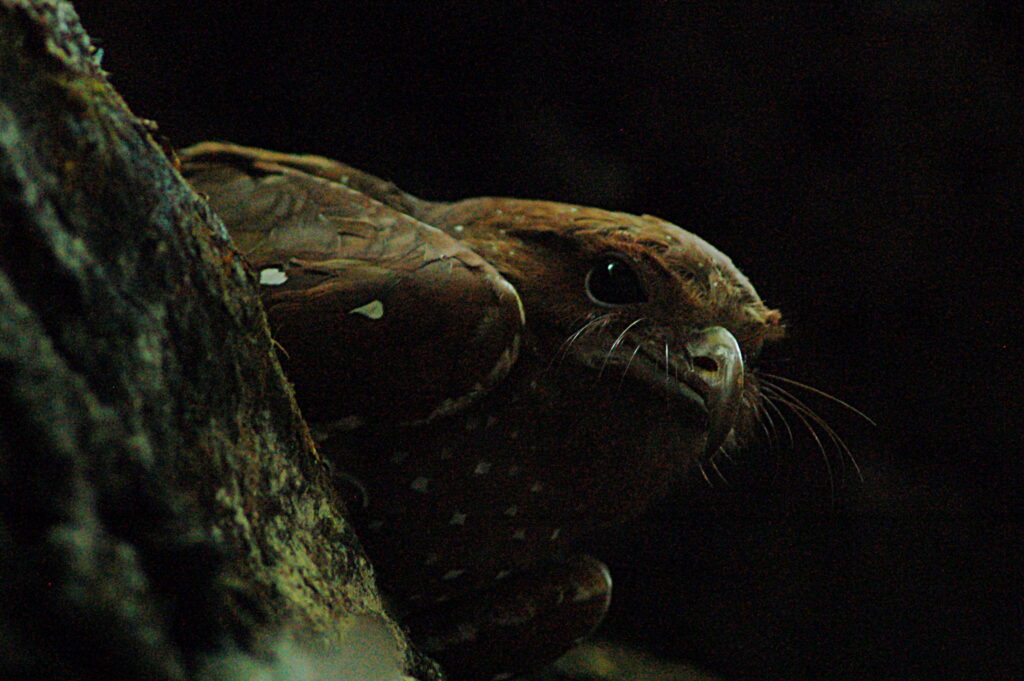
The Oilbird possesses distinctive physical traits that make it well-adapted for its unique lifestyle. Measuring approximately 16-19 inches (40-48 cm) in length with a wingspan that can reach up to 3 feet (90 cm), these birds have rich chestnut-brown plumage with diamond-shaped white spots and bars on their wings and back. Their large eyes—among the most light-sensitive of any vertebrate—allow them to navigate in extreme low-light conditions, though they cannot see in complete darkness. Perhaps most distinctive is their wide gape and hooked bill, which has evolved specifically for plucking fruits while in flight. Unlike most birds, Oilbirds have unusually small feet with sharp claws that are perfectly adapted for clinging to vertical cave walls and ceilings where they nest and rest during daylight hours.
Echolocation: A Rare Avian Ability
One of the most remarkable adaptations of the Oilbird is its ability to echolocate, a trait shared by only a few bird species in the world. Unlike bats that emit high-frequency sounds inaudible to humans, Oilbirds produce audible clicking sounds at frequencies between 1 and 15 kHz, which humans can hear as a series of sharp clicks. These vocalizations bounce off cave walls and obstacles, returning to the bird’s sensitive ears to create a sonic map of its surroundings. This sophisticated system allows Oilbirds to navigate through the pitch-black interior of caves, avoiding collisions with cave walls and other birds. Interestingly, their echolocation is primarily used for navigation within caves rather than for hunting, as they locate their fruit food sources primarily by sight and smell once they leave the cave at night.
Diet and Nocturnal Feeding Habits

Despite living in caves, Oilbirds do not feed on cave organisms but instead venture out under the cover of darkness to forage for fruits. They are exclusively frugivorous, with a particular preference for the fruits of oil palms, laurels, and other tropical trees rich in fat and oil content. Using their exceptional sense of smell—unusual among birds—they can locate ripe fruits even in complete darkness. An Oilbird typically flies up to 100 kilometers (62 miles) in a single night to reach productive feeding areas, plucking fruits while hovering briefly in front of them. Their unique digestive system allows them to extract only the nutritious pulp, regurgitating the large seeds intact, making them important seed dispersers for many tropical forest plants throughout northern South America.
Breeding and Nesting in Darkness
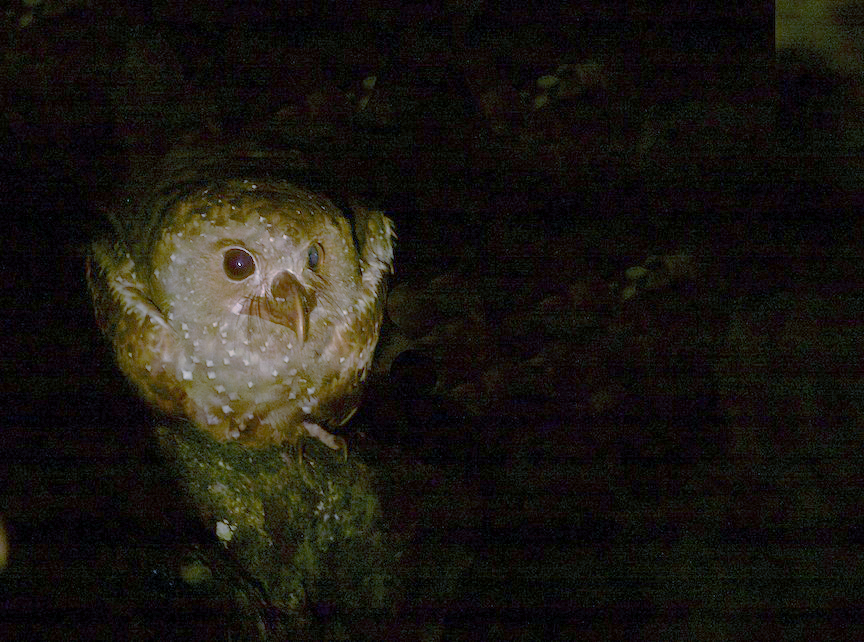
The breeding ecology of Oilbirds is as specialized as their habitat preference. These birds form long-term pair bonds and breed once annually, typically laying 2-4 eggs in nests constructed on cave ledges or in crevices. The nests themselves are simple structures made from regurgitated fruit pulp that hardens into a sturdy platform—an architectural adaptation that suits their vertical roosting locations. Both parents participate in the unusually long incubation period of 33-38 days, after which altricial chicks hatch completely dependent on their parents. Young Oilbirds remain in the nest for an extraordinary 90-120 days, one of the longest nestling periods among birds, during which they are fed regurgitated fruits and develop extensive fat reserves that can reach up to 50% of their body weight, making the chicks literally “oily.”
The Social Structure of Cave Colonies
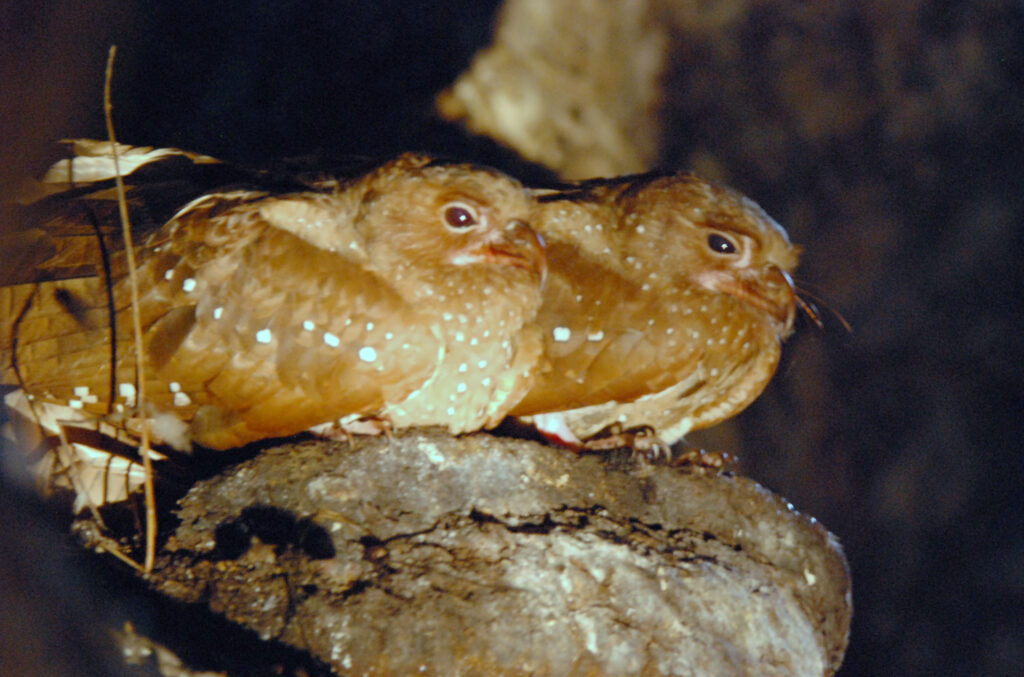
Oilbirds are highly social, forming colonies that can range from a few dozen to several thousand individuals within a single cave system. These colonies demonstrate complex social hierarchies and communication systems that help maintain order in the darkness. Using their wide vocal repertoire that includes the characteristic metallic shrieks and softer contact calls, Oilbirds communicate their location, establish territories within the cave, and recognize family members among the multitude of birds. Research has shown that individual birds return to the same roosting and nesting spots within the cave day after day, suggesting a strong spatial memory and attachment to specific locations. The colony structure protects potential predators and creates a communal environment where information about productive feeding areas might be shared.
Geographic Distribution and Habitat Range
The Oilbird’s distribution spans across the northern region of South America, including countries such as Venezuela, Colombia, Ecuador, Peru, Bolivia, Guyana, and the island of Trinidad. Within this range, they occupy specific cave systems that meet their exacting requirements for breeding and roosting. The ideal Oilbird cave typically features high ceilings, complex internal structures providing numerous ledges for nesting, and entrances large enough to allow easy flight access but small enough to maintain the dark, stable interior environment they prefer. Some well-known Oilbird caves include the Cueva del Guácharo in Venezuela, which holds the distinction of being the world’s first wildlife sanctuary specifically established to protect a bird species, having been designated as such in 1949. The distribution of suitable caves significantly limits their potential habitat, making the protection of these sites crucial for the species’ conservation.
Historical Cultural Significance
Throughout history, Oilbirds have held significant cultural importance for indigenous peoples across their range. The Chaima people of Venezuela historically harvested Oilbird chicks for their fat, which, when rendered, produces a clear, odorless oil once used for cooking and lamp fuel—a practice that gave the bird its English name. This oil was considered so valuable that it was traded extensively during colonial times and was even reported to have a longer shelf life than other animal fats, remaining usable for over a year without turning rancid. Beyond their practical uses, Oilbirds featured prominently in indigenous mythology and spiritual beliefs, often associated with underworld deities due to their cave-dwelling nature and eerie vocalizations. Some tribal groups believed the birds’ cries represented the voices of their ancestors, making the caves sacred spaces where the living could commune with the spirit world.
Threats and Conservation Status
Despite their specialized lifestyle, Oilbirds currently maintain a conservation status of “Least Concern” according to the International Union for Conservation of Nature (IUCN), though this doesn’t mean they face no threats. The most significant danger comes from habitat destruction, both of their cave homes and the surrounding forests that provide their food. Deforestation throughout northern South America has reduced fruit availability, potentially forcing birds to travel farther for food or face nutritional stress. Tourist disturbance presents another challenge, as increased visitation to known Oilbird caves can disrupt breeding cycles and cause colony abandonment if not properly managed. Some smaller colonies have also faced direct persecution from misguided beliefs that the birds are harmful or from continuing traditional harvesting practices that have become unsustainable with modern population pressures and technology.
Scientific Importance and Research Challenges
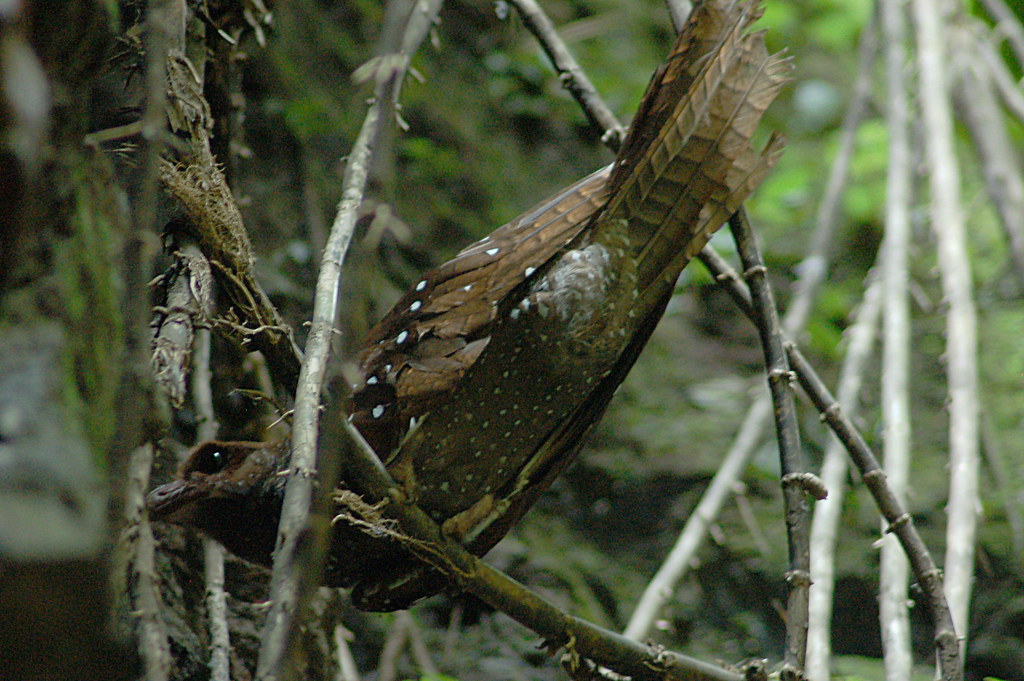
The Oilbird represents a scientific treasure trove, offering insights into sensory adaptation, evolution, and ecology. Researchers studying these birds have uncovered valuable information about the evolution of echolocation, oil metabolism in vertebrates, and adaptations to cavernicolous (cave-dwelling) lifestyles. Their unique position as frugivores that navigate by echolocation makes them important subjects for comparative studies with bats and cetaceans that have independently evolved similar capabilities. However, studying Oilbirds presents significant challenges due to their remote habitats and nocturnal habits. Scientists must contend with difficult-to-access cave systems, the darkness that complicates observation, and the birds’ wide-ranging nocturnal movements that can span dozens of kilometers from their home caves. Modern research techniques, including GPS tracking, infrared photography, and bioacoustic monitoring, are gradually overcoming these obstacles, revealing new aspects of Oilbird biology and behavior.
The Role of Oilbirds in Ecosystem Maintenance
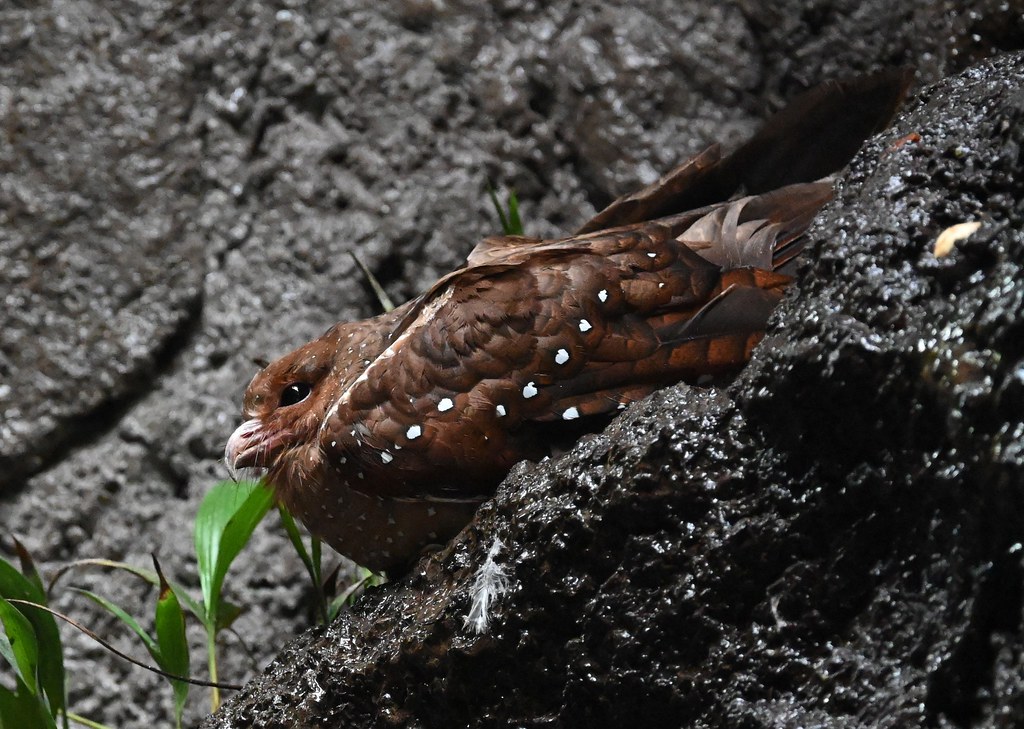
Oilbirds serve as crucial ecological engineers in tropical forest ecosystems through their role as seed dispersers. Their fruit-heavy diet and habit of regurgitating intact seeds make them particularly effective at spreading plant genetic material across broad geographic areas. A single Oilbird can disperse thousands of seeds per year, many of which belong to primary forest species that are essential for maintaining forest structure and biodiversity. Research has shown that seeds dispersed by Oilbirds often have higher germination rates than those that fall directly beneath parent trees, where competition and predation are more intense. Additionally, the birds’ droppings contribute significant nutrient inputs to cave ecosystems, supporting diverse communities of cave-dwelling invertebrates, fungi, and microorganisms that would otherwise struggle in the nutrient-poor cave environment.
Adaptations for Life in Perpetual Darkness
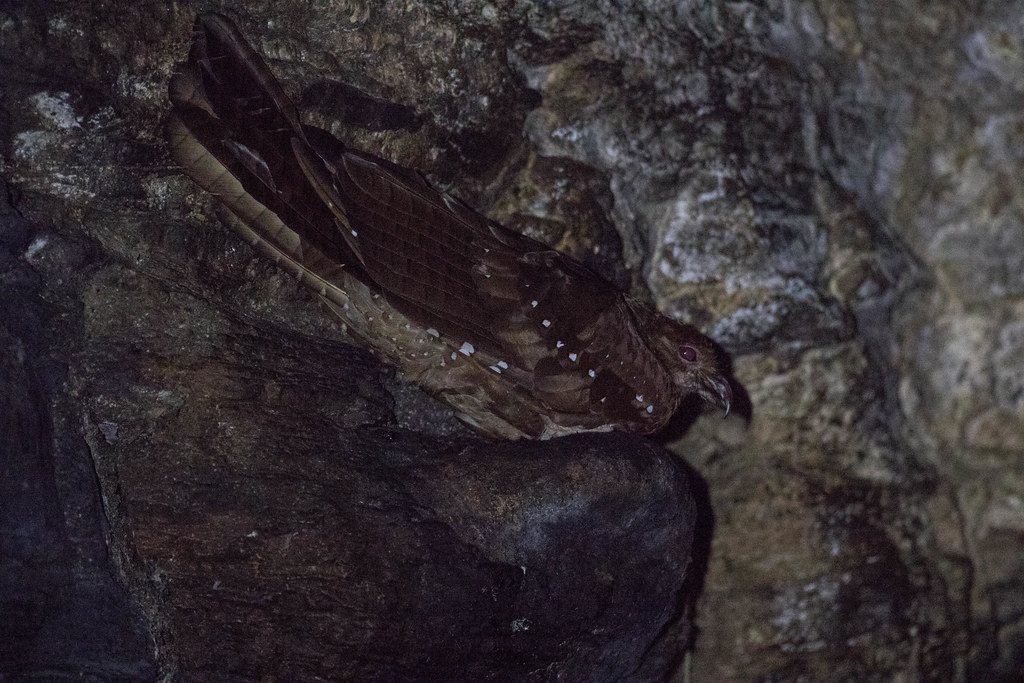
Beyond their well-known echolocation abilities, Oilbirds have developed numerous other adaptations that allow them to thrive in their unusual habitat. Their metabolism runs slower than that of comparable diurnal birds, allowing them to conserve energy during the long periods of inactivity in the caves. Their digestive systems have specialized to process the high-fat fruits that form their exclusive diet, with enlarged livers capable of efficiently metabolizing oils and fats. The birds’ plumage has evolved to be particularly dense and water-resistant, protecting them from the high humidity and occasional water seepage common in cave environments. Perhaps most remarkably, Oilbirds have developed specialized neural pathways that integrate information from their visual, olfactory, and echolocation sensory systems, allowing them to transition seamlessly between navigating the pitch-black cave interior and the dim forest canopy during nocturnal foraging.
The Future of the Cave Bird in a Changing World
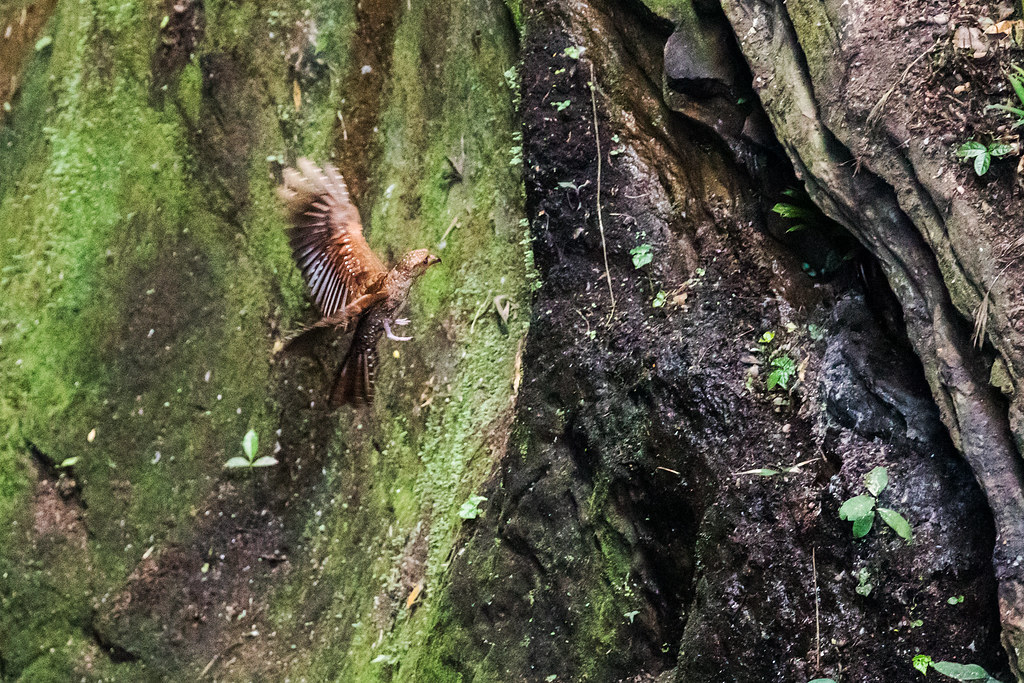
As our planet undergoes rapid environmental change, the future of specialized species like the Oilbird hangs in a delicate balance. Climate change threatens to alter the fruiting patterns of their food plants, potentially creating mismatches between breeding cycles and peak food availability. Increasing urbanization and agricultural expansion continue to fragment the forests surrounding their cave homes, potentially forcing longer and more energetically costly foraging trips. On a more positive note, increased scientific understanding and public awareness have led to better protection of major Oilbird caves, with several now designated as protected areas or incorporated into national parks. Tourism, while potentially disruptive if poorly managed, also offers economic incentives for local communities to preserve rather than exploit these unique birds and their habitats. The Oilbird’s remarkable adaptability, having survived millions of years of evolutionary history, offers hope that with proper conservation efforts, these extraordinary cave-dwelling birds will continue to thrive in their dark domains for generations to come.
Conclusion
The Oilbird stands as a testament to the extraordinary adaptability of life, having evolved to occupy one of the most unusual ecological niches of any bird species. From its sophisticated echolocation abilities to its specialized digestive system and social structures, every aspect of the Oilbird has been shaped by the unique demands of life in perpetual darkness. As we continue to explore and understand these remarkable cave dwellers, they remind us that nature’s innovations often flourish beyond our everyday view, in places we rarely glimpse. The continued survival of these extraordinary birds depends on our commitment to preserving both their cavernous homes and the forests that sustain them—protecting not just a unique species, but a living evolutionary marvel that connects us to the ancient processes that have shaped our planet’s biodiversity.