
In the remarkable world of avian adaptations, few features are as specialized and fascinating as the tongues of certain bird species. While many people might associate long tongues with mammals like anteaters or reptiles like chameleons, birds have evolved some truly extraordinary tongue structures to exploit specific ecological niches. Among these feathered marvels, one species stands out for possessing the longest tongue relative to its body size: the hummingbird. This diminutive aerial acrobat harbors a secret weapon that extends far beyond its tiny bill, allowing it to access food sources that would otherwise remain untapped. Join us as we explore the remarkable anatomy, evolutionary significance, and fascinating behaviors associated with the proportionally longest tongue in the avian world.
The Remarkable Hummingbird Tongue
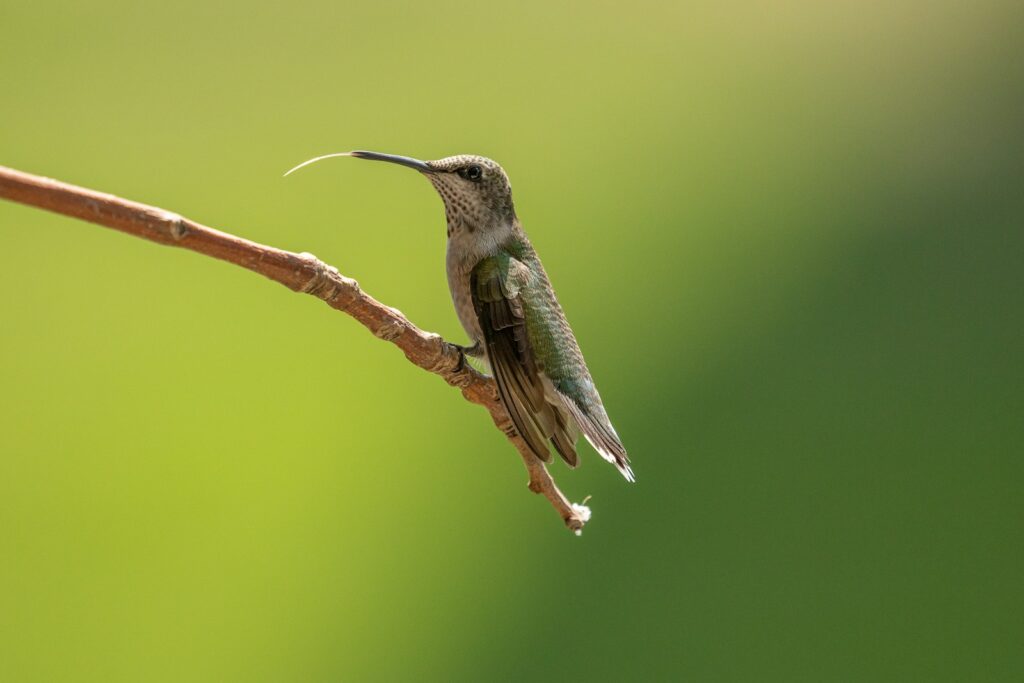
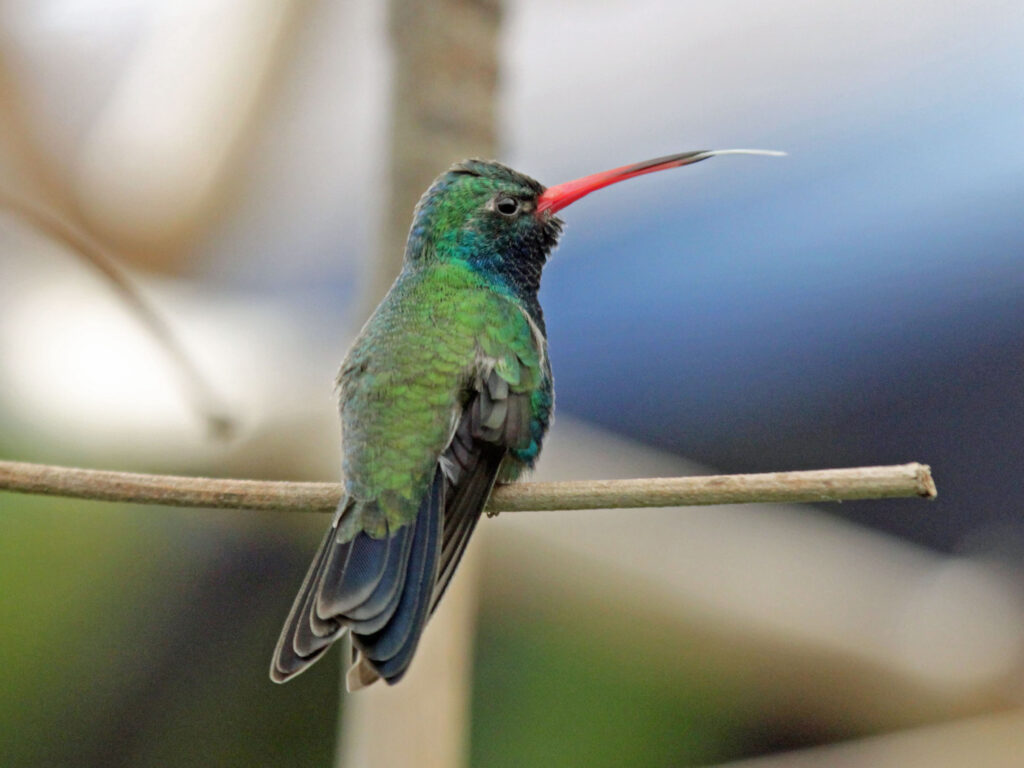
When it comes to impressive tongue-to-body ratios in birds, hummingbirds reign supreme with a tongue that can extend to lengths equal to their entire body. This extraordinary appendage can unfurl to reach deep into flowers, sometimes extending twice the length of their bill. What makes this adaptation even more remarkable is that when retracted, this lengthy organ must coil up inside the bird’s skull, wrapping around the back of the head beneath the skin and bones. The mechanics of this tongue deployment involve a hyoid apparatus—specialized bones that allow for the rapid extension and retraction necessary for their lightning-fast feeding approach. This extraordinary ratio of tongue length to body size represents one of the most extreme morphological adaptations in the entire vertebrate world.
The Unique Structure of Hummingbird Tongues
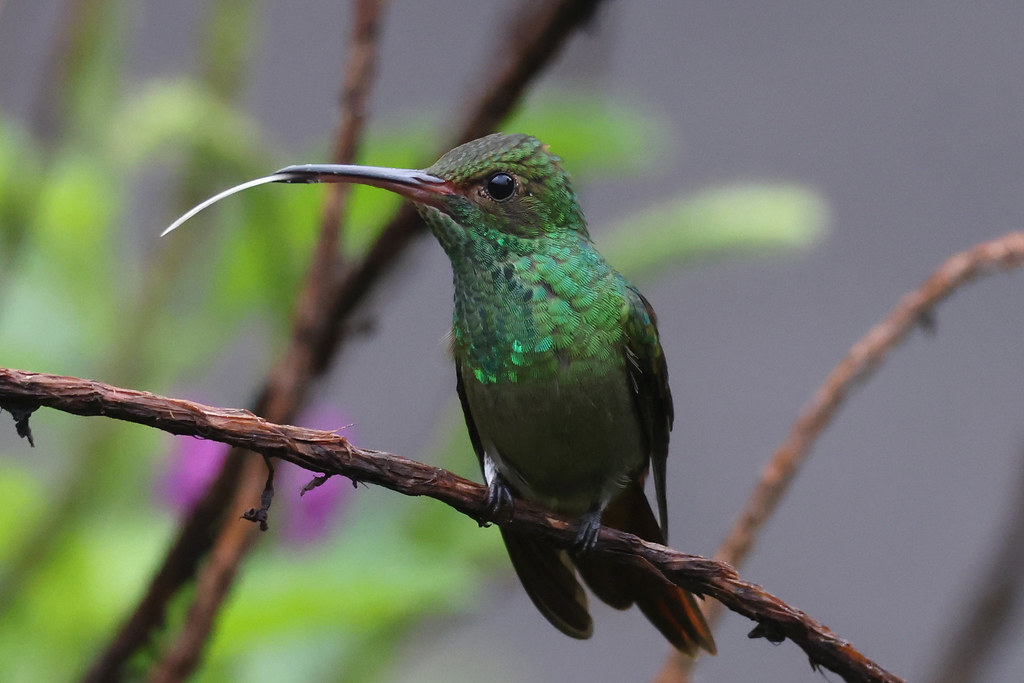
Contrary to popular belief, hummingbird tongues don’t function like straws or syringes. Instead, they feature a sophisticated bifurcated (split) tip with hair-like structures called lamellae that form grooves. When extended into a flower, these grooves trap nectar through capillary action as they unfurl and refurl with incredible speed—up to 20 times per second. Recent high-speed photography research has revealed that the tongue works through a process called “elastocapillarity,” where the tongue’s grooves flatten when inserted into liquid and then spring back to their original shape, trapping nectar in the process. This elastic deformation and reformation happen automatically without muscular control, making it an incredibly efficient system for rapid nectar collection. The structural adaptations of these specialized tongues have evolved specifically to maximize energy intake with minimal effort, allowing hummingbirds to maintain their extraordinary metabolic demands.
Evolutionary Development of Long Tongues
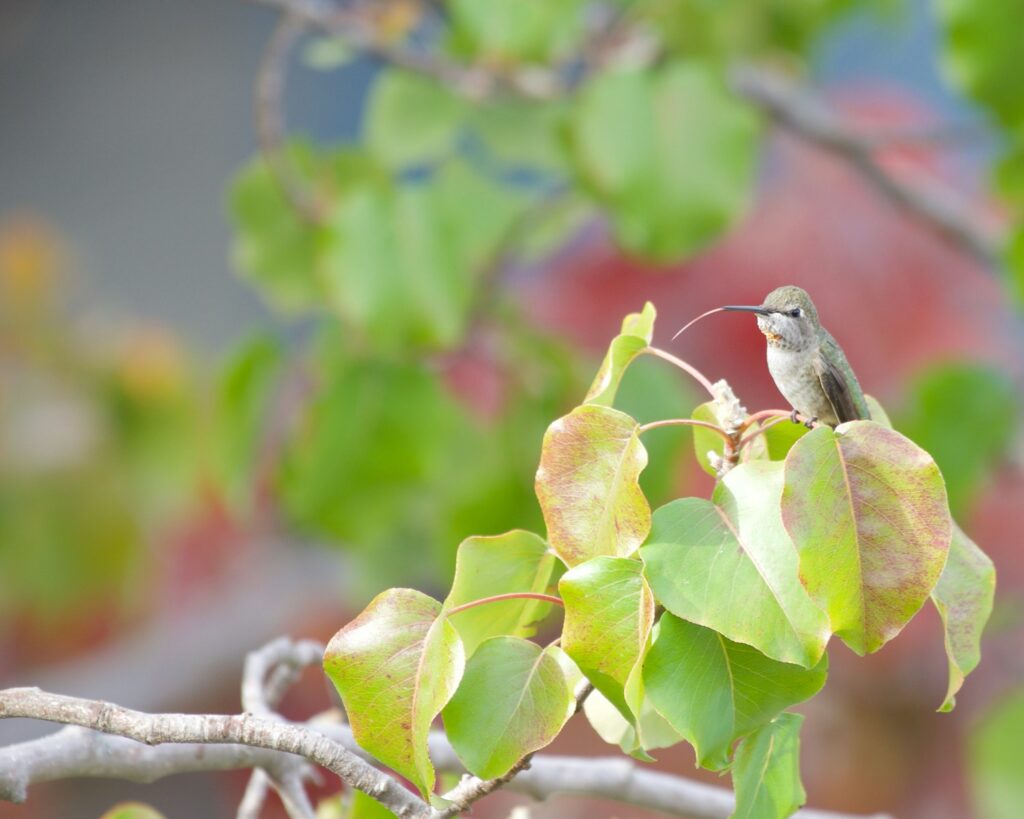
The extraordinary length of hummingbird tongues represents a textbook example of co-evolution between birds and the flowers they pollinate. Over millions of years, flowers developed deeper corollas (petal tubes) to ensure that only specialized pollinators could access their nectar, thereby increasing the likelihood of successful pollination by these targeted species. In response, hummingbirds evolved increasingly longer bills and tongues to access these rich nectar resources. This evolutionary arms race resulted in the remarkable specialized feeding apparatus we observe today. Fossil evidence suggests that ancient hummingbird ancestors had much shorter tongues, with the extreme elongation developing progressively as flowers and birds adapted to each other’s morphological changes. This co-evolutionary relationship has led to incredible specialization, with certain hummingbird species evolving tongues perfectly matched to the specific flower species they predominantly feed from.
Astonishing Speed of Tongue Deployment

The velocity at which hummingbirds can extend and retract their extraordinary tongues is nothing short of phenomenal. High-speed videography has documented that these birds can extend and fully retract their tongues up to 20 times per second during sustained feeding. This rapid licking motion happens so quickly that it’s virtually imperceptible to the human eye, appearing as a blur even in slow-motion observation. The mechanical advantage provided by the hyoid apparatus allows for this incredible speed, with the bones acting like a spring-loaded system that can deploy almost instantaneously. Each lick typically collects only a tiny amount of nectar—about 0.4 microliters—which necessitates hundreds or even thousands of licks to obtain sufficient energy for survival. This combination of tongue length and deployment speed represents one of the most remarkable feeding adaptations in the animal kingdom.
Tongue Length Variations Among Hummingbird Species
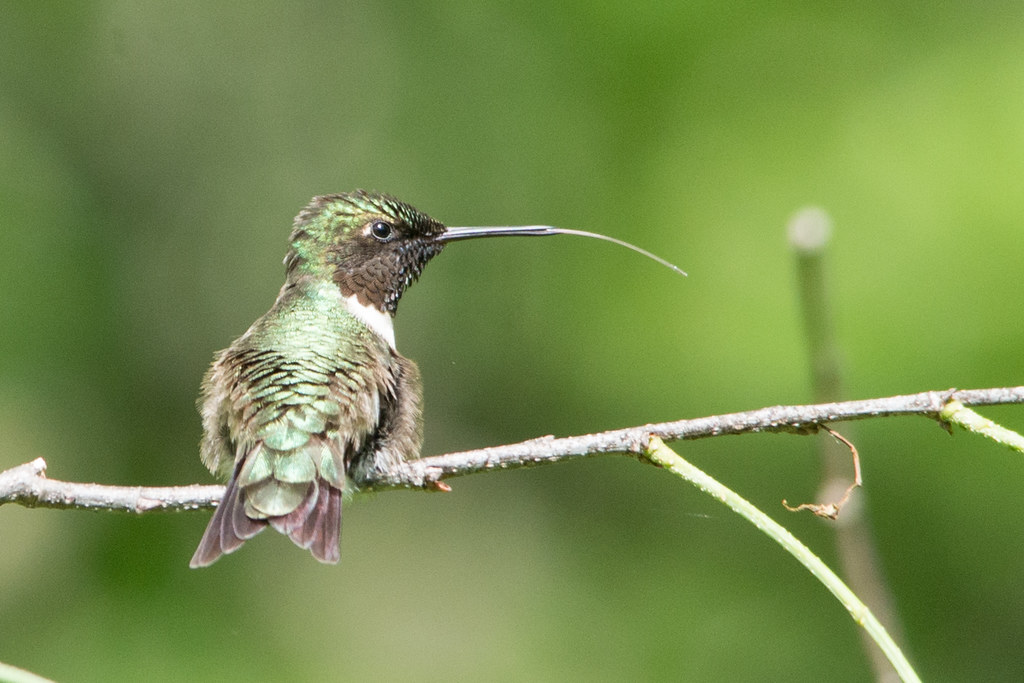
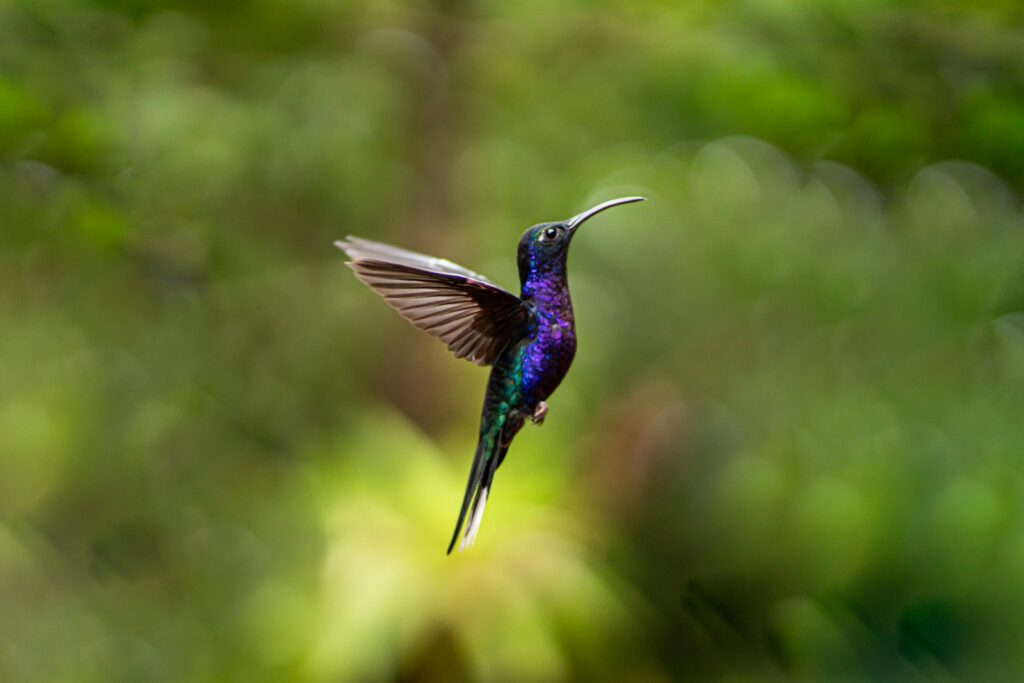
While all hummingbird species possess proportionally long tongues, significant variations exist across the family’s 360+ species that reflect their ecological specializations. The sword-billed hummingbird (Ensifera ensifera) of the Andes mountains possesses both the longest bill and tongue of any hummingbird, with its bill measuring up to 4 inches—longer than its entire body—and its tongue extending even further. In contrast, species like the ruby-throated hummingbird (Archilochus colubris), common in North America have relatively shorter tongues but still maintain the impressive length-to-body ratio characteristic of the family. Research has shown that tongue length correlates strongly with the depth of the flowers each species typically visits, demonstrating the precise ecological fitting that has occurred through natural selection. Some specialist species that feed primarily from a single plant genus show tongue adaptations perfectly matched to the floral architecture of their preferred food source.
Hyoid Apparatus: The Mechanical Marvel
The secret behind the extraordinary tongue extension capability lies in a specialized anatomical structure called the hyoid apparatus. This system consists of elongated bones that extend from the base of the tongue around the back of the skull and can even reach to the bird’s forehead region in some species. When the hummingbird contracts specific muscles, these bones slide forward, pushing the tongue out of the bill at remarkable speeds. The entire system works similarly to how a chameleon’s tongue functions, though the mechanisms evolved independently through convergent evolution. When not in use, the hyoid bones and attached tongue retract and coil inside a specialized sheath that wraps around the skull beneath the skin, resembling a spring ready to deploy. This elaborate structural adaptation represents one of the most extreme morphological specializations found in vertebrate feeding systems.
Nectar Collection Capabilities
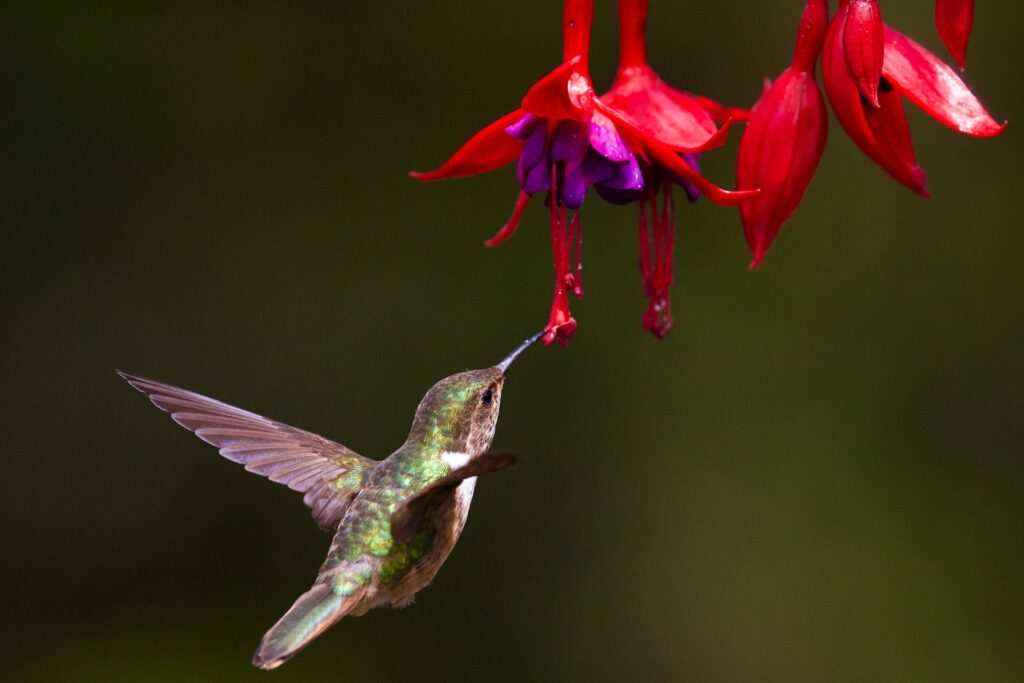
The specialized tongue structure of hummingbirds enables them to extract nectar with remarkable efficiency despite the fluid’s viscous nature. Research has demonstrated that a hummingbird can collect up to 80-90% of the available nectar in a flower during a single visit lasting mere seconds. Their tongues can process an astonishing amount of nectar daily, with some species consuming more than their body weight in sugar solution within 24 hours. The lamellae (hair-like structures) on the tongue tips trap nectar through a combination of capillary action and the elastic properties of the tongue tissue, creating a passive fluid trap that requires minimal energy expenditure. This extraordinary feeding efficiency is critical for hummingbirds’ survival, as their hovering flight and extremely high metabolism demand constant energy replenishment. Some species must visit hundreds or even thousands of flowers daily to meet their caloric requirements, making their tongues among the most actively used anatomical structures in the animal kingdom.
Surprising Scientific Discoveries
Recent scientific research has dramatically changed our understanding of how hummingbird tongues function. For decades, scientists believed these birds used a simple capillary action (like sipping through a straw) or suction to draw up nectar. However, high-speed video analysis conducted in 2015 revealed a completely different mechanism involving the dynamic trapping of liquid through the tongue’s elasticity and surface tension properties. Researchers at the University of Connecticut discovered that the tongue’s grooved tips compress flat when entering nectar, then spring open as they withdraw, actively trapping the liquid in the process. This mechanism, known as “elastocapillarity,” represents an entirely novel feeding method previously unknown to science. Even more surprisingly, this process happens automatically without direct muscular control, making it an extraordinarily efficient system that contradicts previous scientific assumptions. These discoveries highlight how even well-studied anatomical features can still yield fundamental surprises when examined with new technologies.
Ecological Importance of Long-Tongued Pollinators
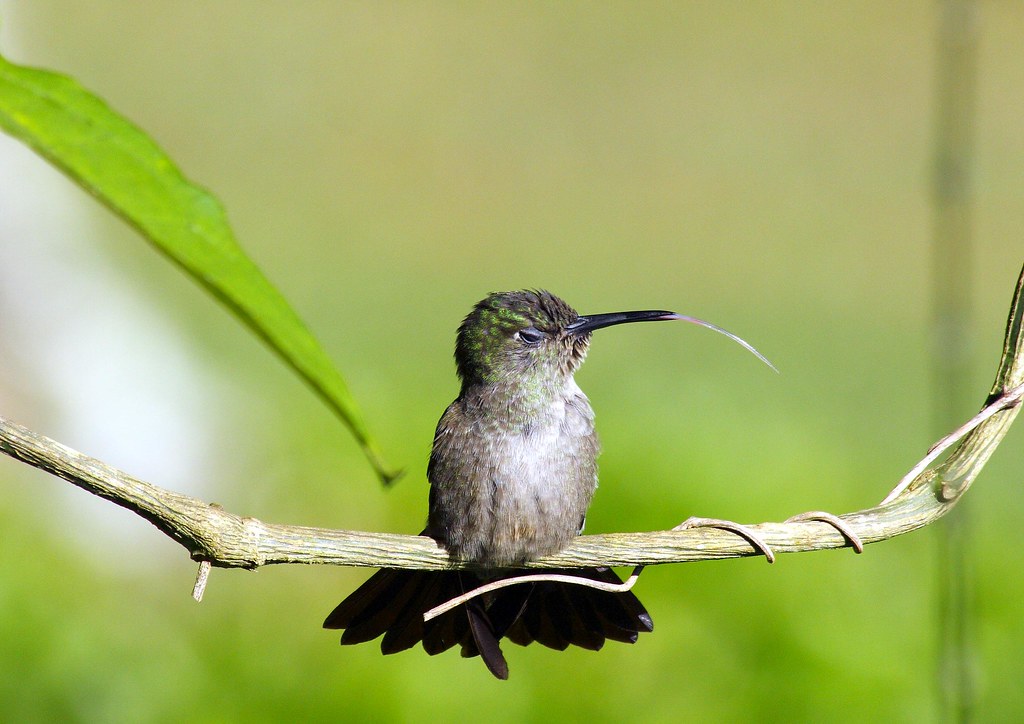
The extraordinary tongues of hummingbirds play a pivotal role in maintaining the health and diversity of many ecosystems, particularly in the Americas, where they evolved. As specialized pollinators, these birds have co-evolved with hundreds of plant species that depend entirely or primarily on hummingbirds for successful reproduction. The precision with which their long tongues can access nectar deep within floral tubes ensures efficient pollination as they move between flowers, carrying pollen on their foreheads or bills. Research has identified over 7,000 plant species that show adaptations specifically for hummingbird pollination, with deep tubular flowers, bright red or orange coloration, and high nectar production. In many tropical and subtropical regions, the removal of hummingbirds would lead to reproductive failure for numerous plant species, triggering cascading ecological effects. This mutualistic relationship, enabled by the hummingbird’s extraordinary tongue, represents one of nature’s most beautiful examples of co-evolutionary specialization.
Feeding Beyond Nectar
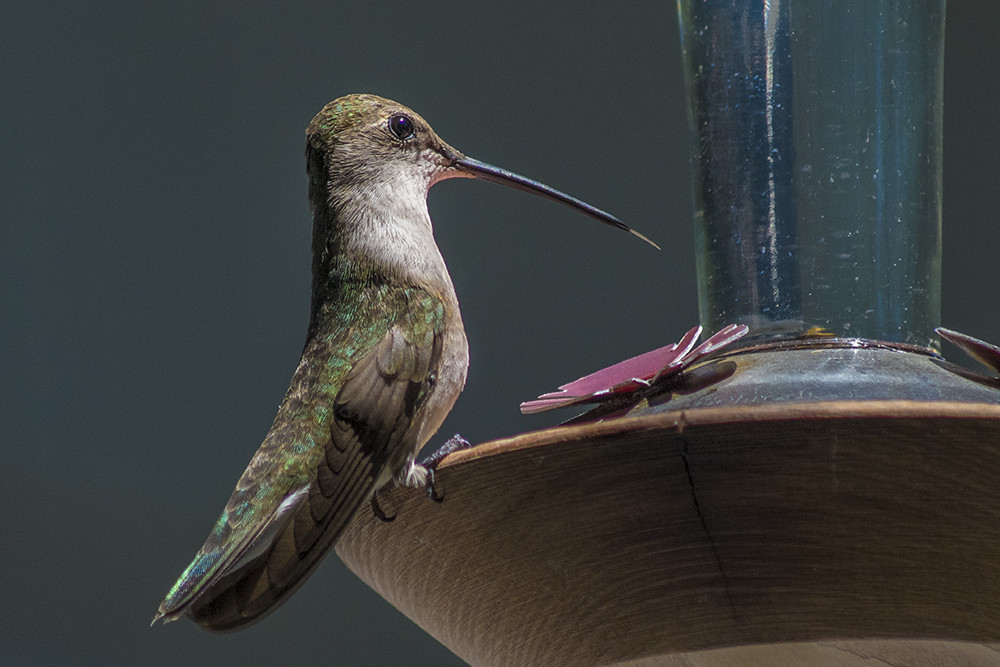
While primarily adapted for nectar collection, the remarkable tongues of hummingbirds serve additional feeding purposes that contribute to their dietary diversity. The specialized tongue tips can also be used to capture small arthropods, which provide essential protein and nutrients missing from a pure nectar diet. High-speed photography has revealed that hummingbirds can use their tongue tips to pluck tiny insects from spider webs or vegetation surfaces with remarkable precision. Some species have been observed using their tongues to collect tree sap from holes created by sapsuckers, demonstrating the versatility of this specialized feeding apparatus. During insect consumption, the tongue functions more as a collection tool rather than for liquid uptake, with the grooved lamellae serving to trap and hold small prey items until they can be manipulated into the mouth. This dietary flexibility, enabled by their specialized tongue’s helps hummingbirds meet their nutritional requirements beyond simple carbohydrate intake.
Comparing Long-Tongued Bird Species
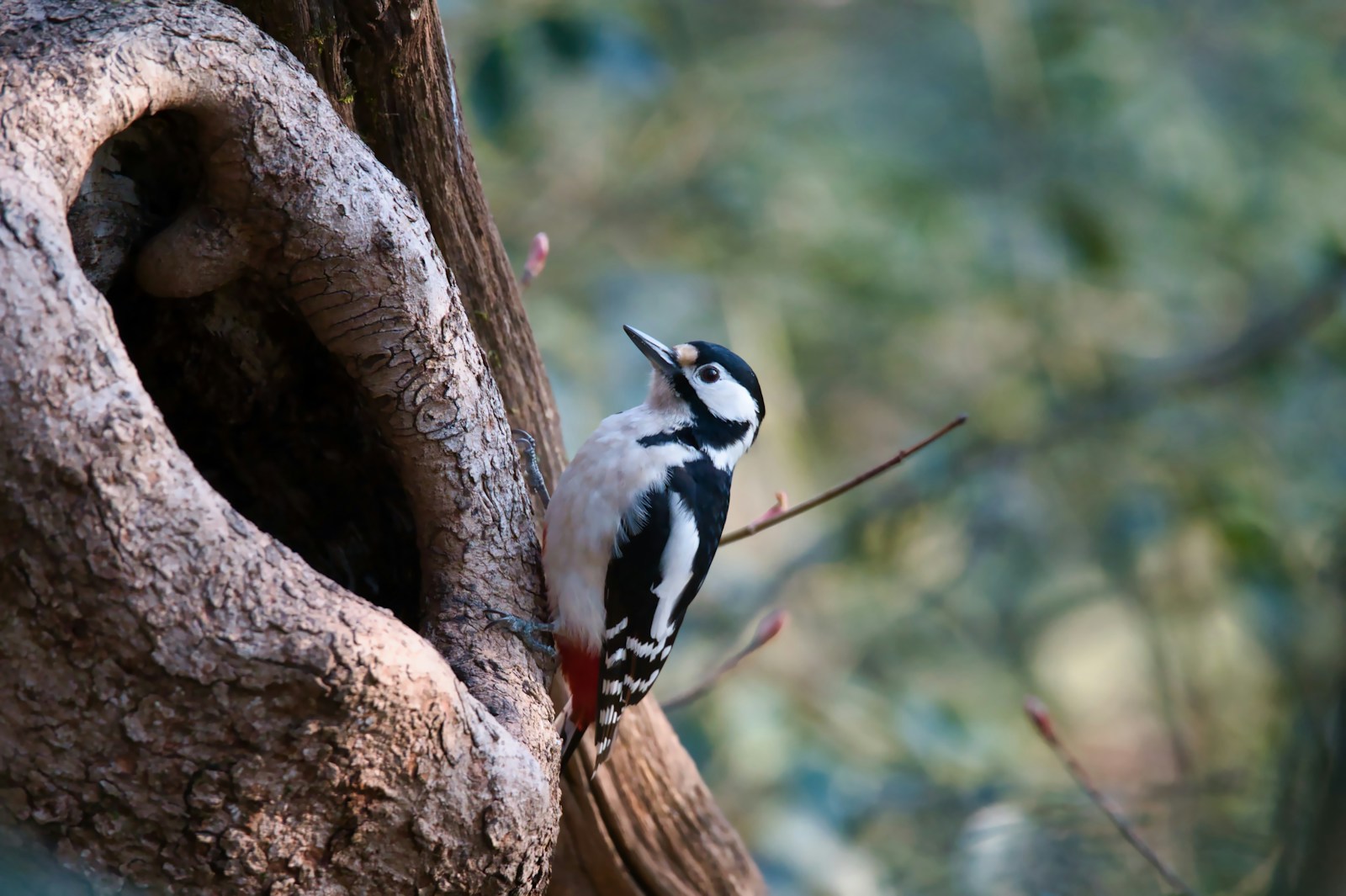
While hummingbirds possess the most extreme tongue-to-body ratio, several other avian groups have evolved notably long tongues for specialized feeding. Woodpeckers feature impressively extensible tongues that can reach deep into tree cavities to extract insects, with some species having barbed tips to harpoon prey. Sunbirds of Africa and Asia represent an example of convergent evolution, having independently evolved long tongues for nectar feeding similar to hummingbirds, though using slightly different mechanical systems. Honeyeaters of Australasia possess brush-tipped tongues that can extend significantly to collect nectar and pollen, while the nectar-feeding Hawaiian honeycreepers evolved specialized curved bills and tongues before many species sadly went extinct. Among these long-tongued specialists, however, none approach the proportional extremes seen in hummingbirds, whose tongues can reach lengths exceeding their entire body when fully extended. This comparative perspective highlights just how extraordinary the hummingbird adaptation truly is within the context of avian evolution.
Conservation Challenges for Specialized Feeders
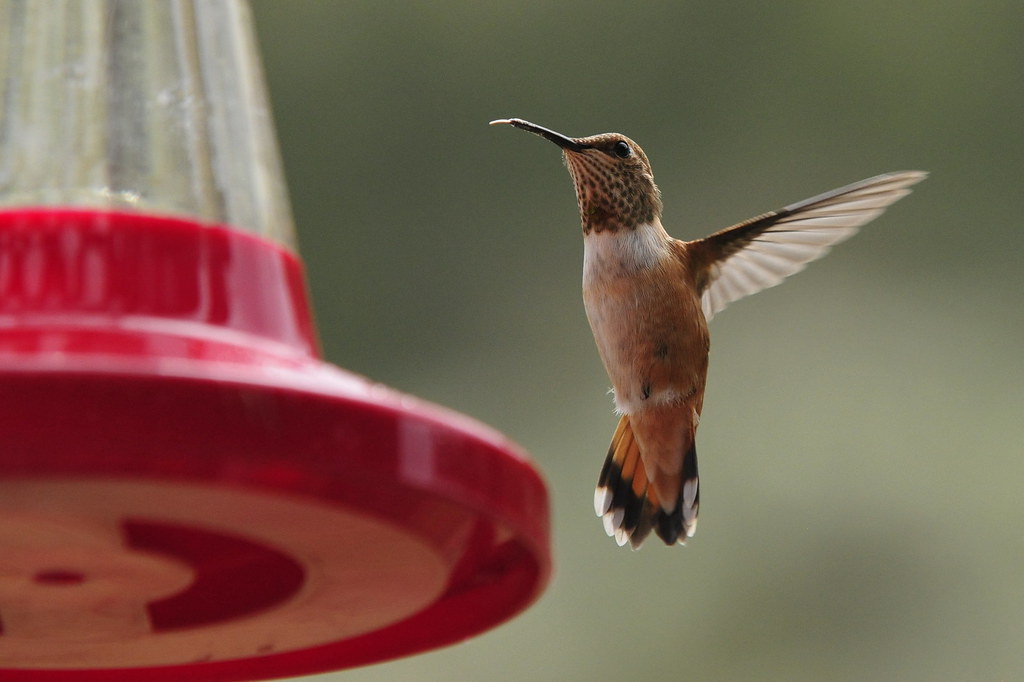
The extreme specialization of hummingbird tongues, while evolutionarily advantageous in stable environments, presents significant conservation challenges in our rapidly changing world. As climate change alters flowering schedules and habitat distributions, the precise timing and specialized feeding apparatus of hummingbirds can become ecological liabilities rather than assets. Several hummingbird species with highly specialized tongue adaptations for specific plant families face endangerment as their food plants decline due to habitat loss, agricultural expansion, and climate disruption. The Juan Fernández Firecrown (Sephanoides fernandensis), critically endangered and restricted to a single island off Chile, possesses a specialized tongue adapted primarily for feeding from specific endemic plants that are themselves threatened. Conservation efforts must focus on preserving not just the birds themselves but the intricate ecological relationships their specialized tongues represent. The future of these remarkable adaptations depends on our ability to protect the complex web of interactions that have shaped them over evolutionary time.
Studying Tongue Biomechanics and Applications
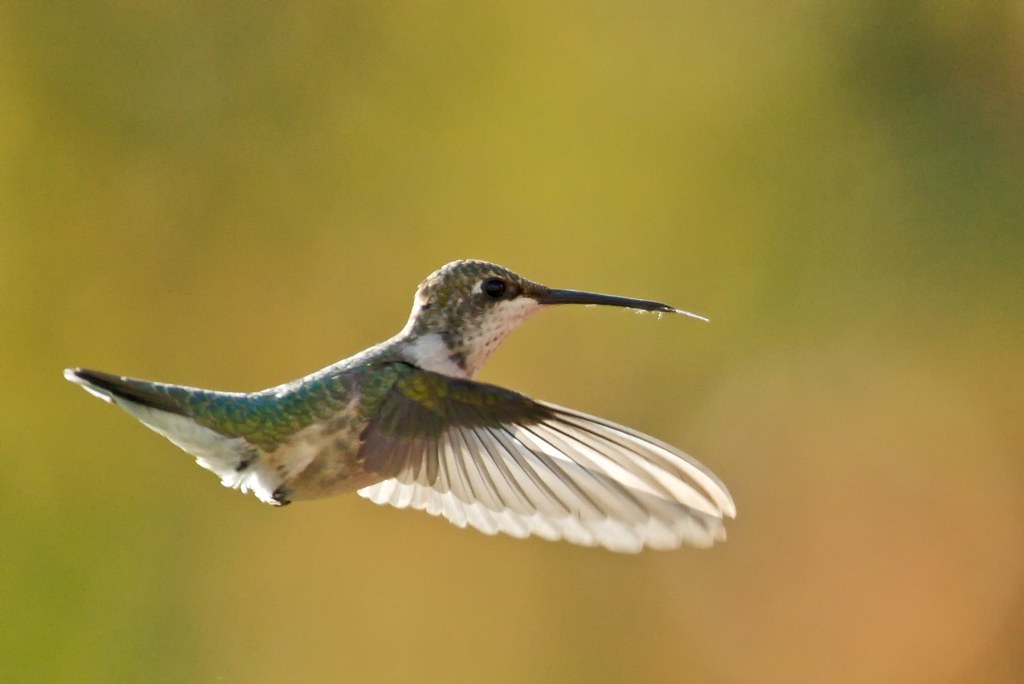
The extraordinary biomechanical properties of hummingbird tongues have inspired significant scientific research with applications extending far beyond ornithology. Engineers and materials scientists study the elastocapillary mechanism of these tongues to develop microfluidic devices that can manipulate tiny amounts of liquid without external power sources. Medical researchers have examined the spring-like properties of the hyoid apparatus for potential applications in minimally invasive surgical instruments that could extend and retract with similar efficiency. The passive fluid trapping mechanism has particularly interested those developing self-operating micropumps for drug delivery systems or environmental sampling devices. Roboticists have created prototype soft robots with extensible appendages based on the hummingbird tongue’s remarkable flexibility and rapid deployment capabilities. These biomimetic applications demonstrate how nature’s most extreme adaptations often provide elegant solutions to complex engineering challenges, with the hummingbird’s tongue representing a masterpiece of natural engineering that continues to yield insights across multiple scientific disciplines.
Conclusion
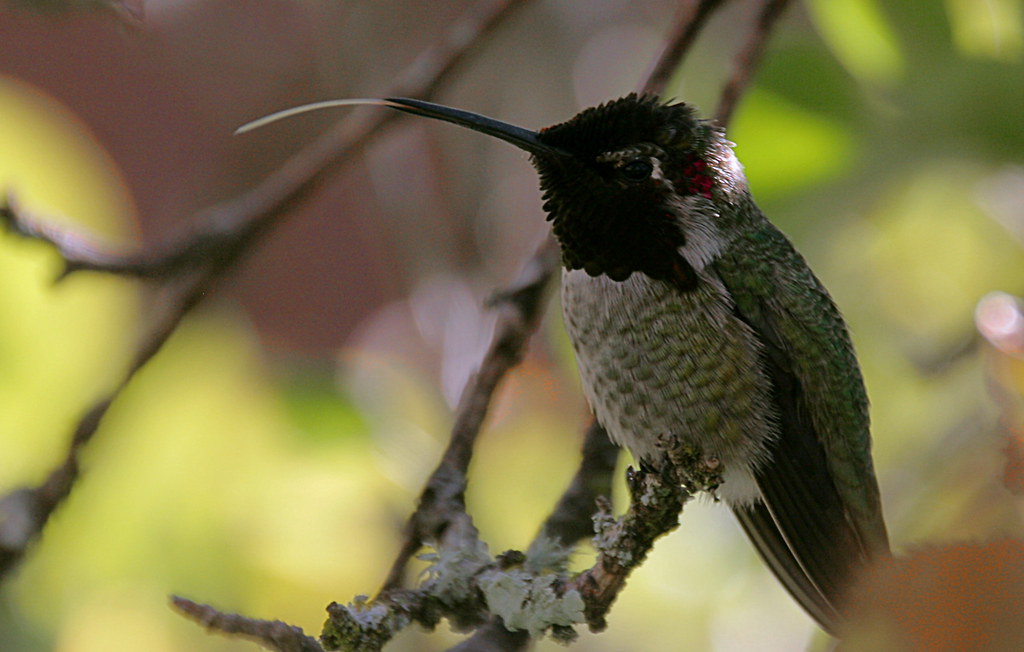
The hummingbird’s extraordinary tongue represents one of nature’s most remarkable anatomical specializations. With its ability to extend to lengths equal to or exceeding the bird’s entire body, it showcases the incredible potential of evolutionary adaptation. The sophisticated mechanisms that allow for rapid deployment, efficient nectar collection, and precise control have evolved through millions of years of co-evolution with flowering plants. This extraordinary feeding apparatus enables hummingbirds to occupy their unique ecological niche and plays a vital role in maintaining ecosystem health through pollination services. As we continue to study these remarkable structures with advancing technology, we gain a deeper appreciation for the intricate adaptations that allow these tiny birds to thrive with such specialized anatomy. The hummingbird’s tongue is a testament to nature’s ingenuity and the remarkable diversity of solutions that have evolved to solve the universal challenge of obtaining nourishment in a competitive world.