

The natural world is filled with fascinating adaptations, but few are as striking as the dietary preference of the bearded vulture. Unlike almost every other bird on Earth, this magnificent raptor has evolved to specialize in consuming bones, particularly the rich marrow found inside them. With a digestive system capable of processing what would be inedible to most other creatures, the bearded vulture stands as a remarkable example of nature’s ingenuity and specialized evolution. Let’s explore the extraordinary life of this bone-eating marvel and discover how it has carved out its unique ecological niche.
The Bearded Vulture: A Bone Specialist
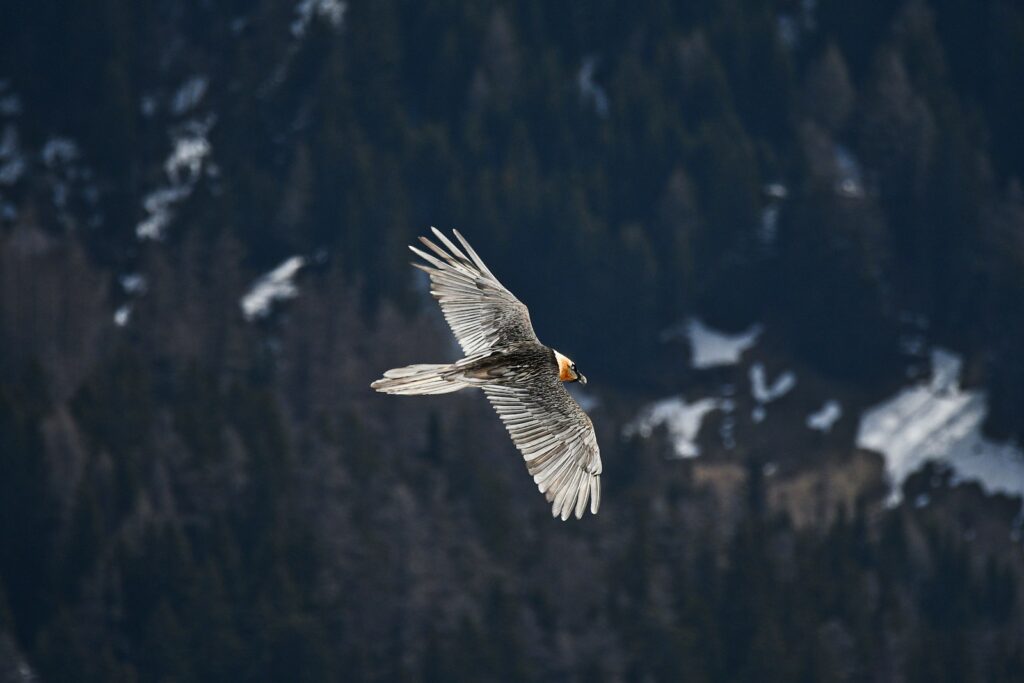
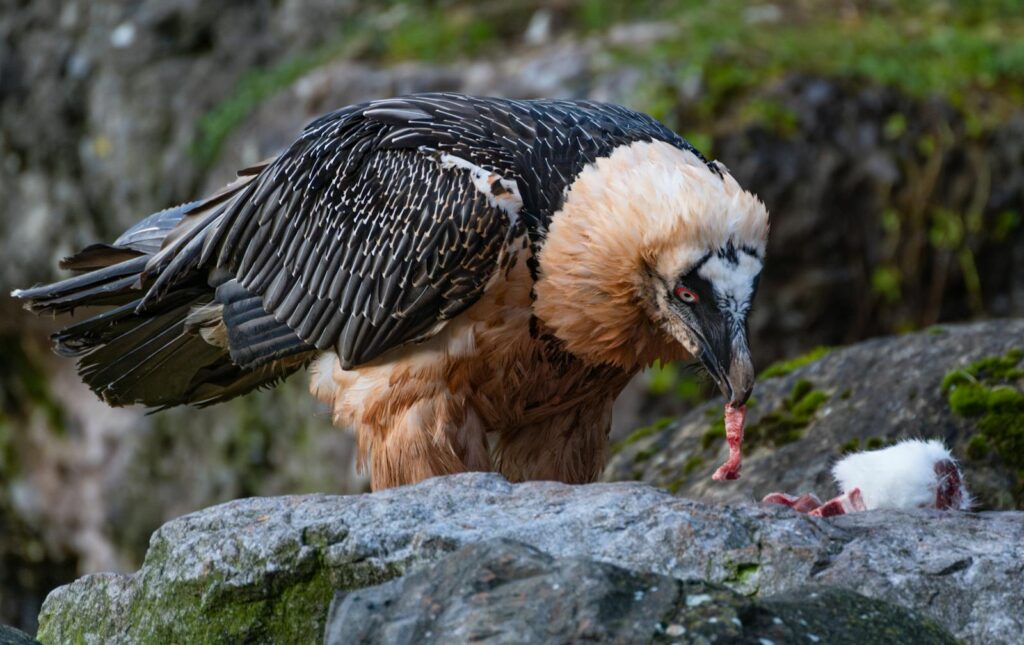
The bearded vulture (Gypaetus barbatus), also known as the lammergeier or ossifrage, is the only bird in the world that has evolved to primarily feed on bone marrow. Unlike other vultures that focus on consuming the flesh of dead animals, bearded vultures have developed a specialized diet where 70-90% of their food consists of bones and bone marrow. This dietary specialization is not merely a curiosity but a brilliant evolutionary strategy that allows them to access a food source with virtually no competition from other scavengers. Their unique biology enables them to digest bones that would be impossible for other birds to process, converting the calcium-rich material into valuable nutrients through their exceptionally strong stomach acid.
Physical Characteristics
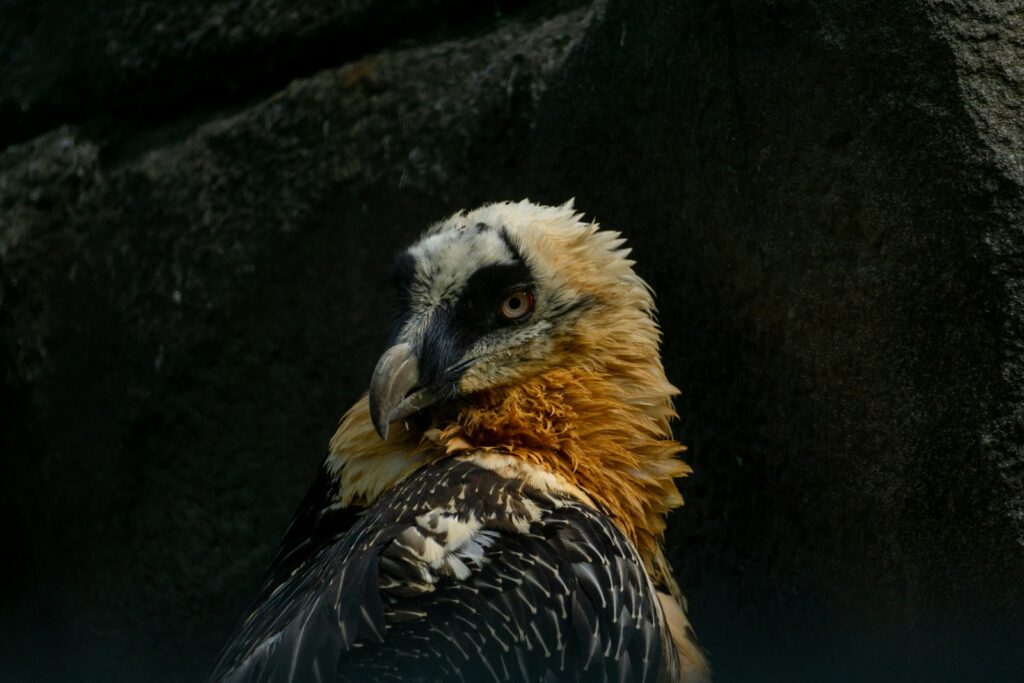
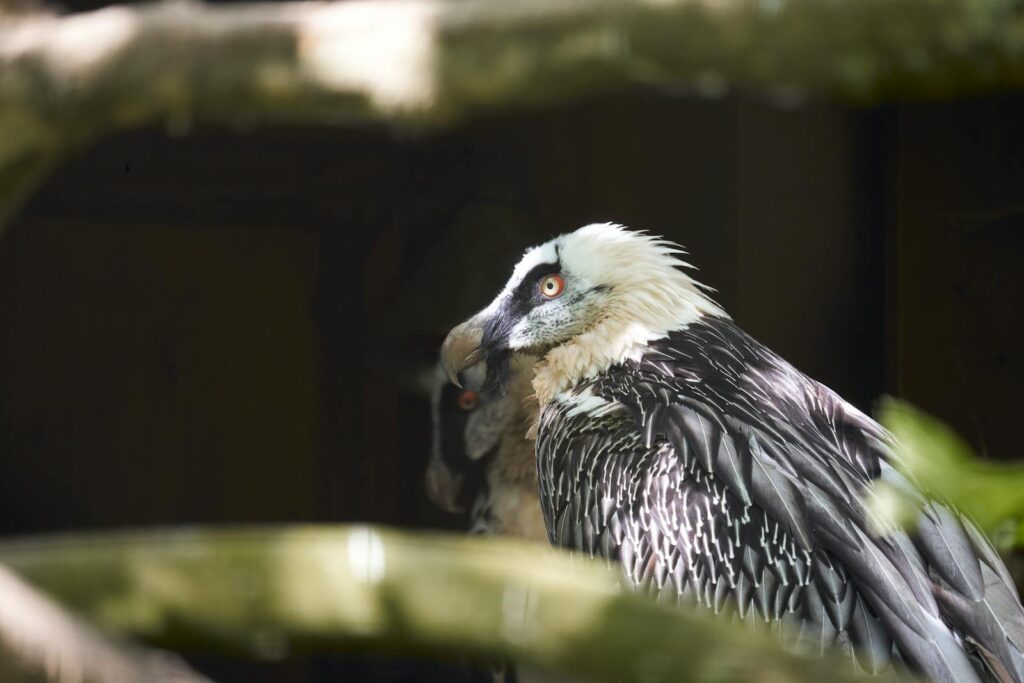
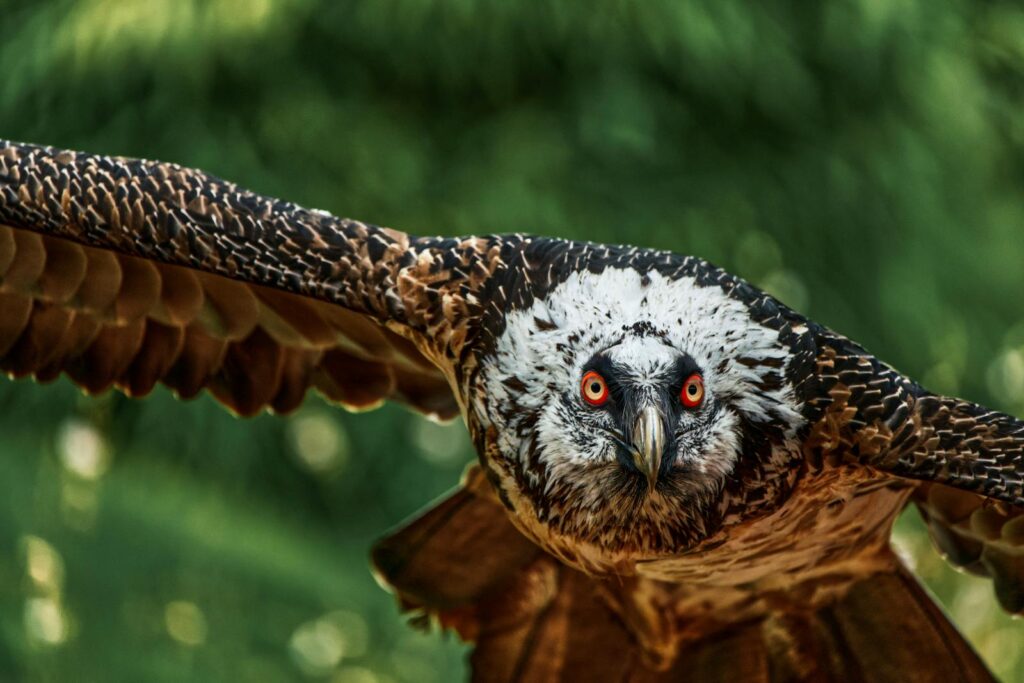
Bearded vultures are impressive birds with a wingspan that can reach up to 2.8 meters (9.2 feet), making them one of the largest Old World vultures. Their distinctive appearance includes a rusty-orange or cream-colored plumage on their head, neck, and underparts, which actually comes from deliberately bathing in iron-rich mud or dust. The bird’s name derives from the distinctive black bristles that form a beard-like tuft beneath its bill, giving it a distinguished appearance among raptors. Unlike the bald heads common to many vultures, bearded vultures have fully-feathered heads which, combined with their piercing red-ringed eyes and imposing size, create a majestic and formidable presence in their mountainous habitats.
The Bone-Breaking Technique
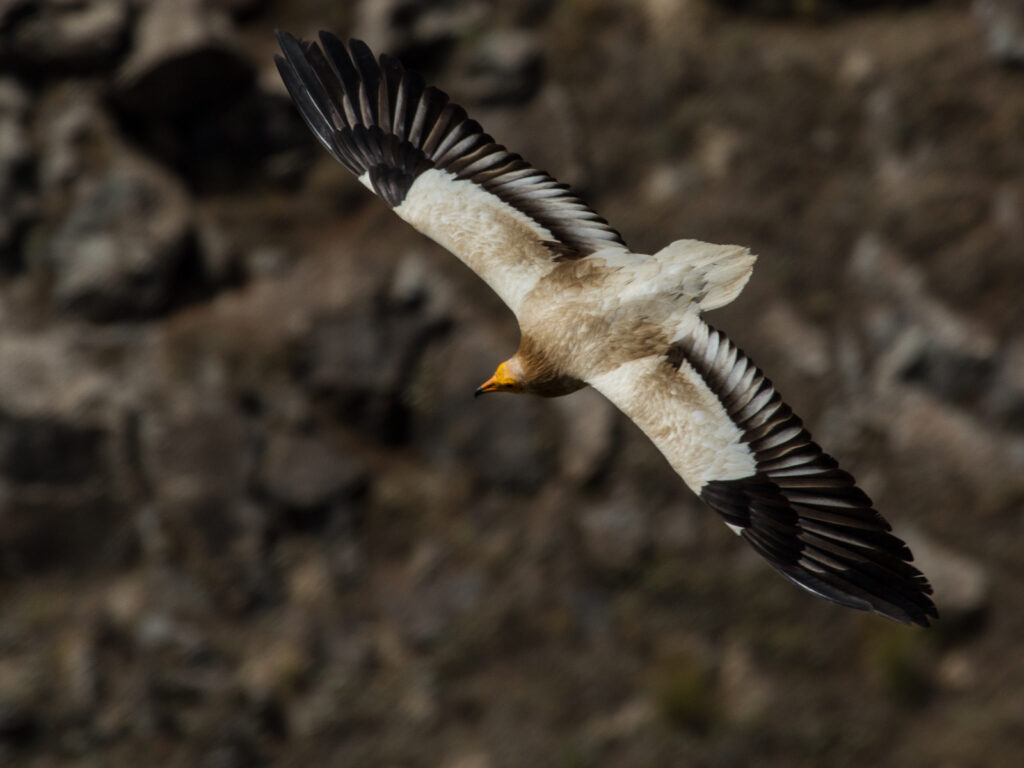
Perhaps the most fascinating aspect of the bearded vulture’s feeding behavior is its method for accessing bone marrow. When faced with bones too large to swallow whole, these birds employ an ingenious technique: they carry the bones high into the air—sometimes 50-150 meters (164-492 feet)—before deliberately dropping them onto rocky surfaces below. This bone-breaking behavior, known as osteophagy, allows the vulture to shatter large bones into manageable fragments that can be swallowed and digested. Bearded vultures can become quite skilled at this technique, with experienced birds achieving success rates of up to 85% in breaking bones on their first drop. Some individuals even develop preferred “breaking stations” where they repeatedly return to drop bones onto specific rocky outcrops.
Extraordinary Digestive System

The bearded vulture possesses one of the most powerful digestive systems in the avian world, specifically evolved to process bone material. Their stomach acid has an extremely low pH of about 1, making it among the most acidic of any vertebrate and capable of dissolving bones that would be indigestible to other animals. This specialized digestive system can break down and extract nutrients from bones within 24 hours, efficiently extracting calcium, marrow, and other nutrients from what would otherwise be waste material. Young bearded vultures gradually develop this bone-digesting ability, starting with softer bones and progressing to harder, more dense skeletal material as their digestive capabilities mature.
Habitat and Range
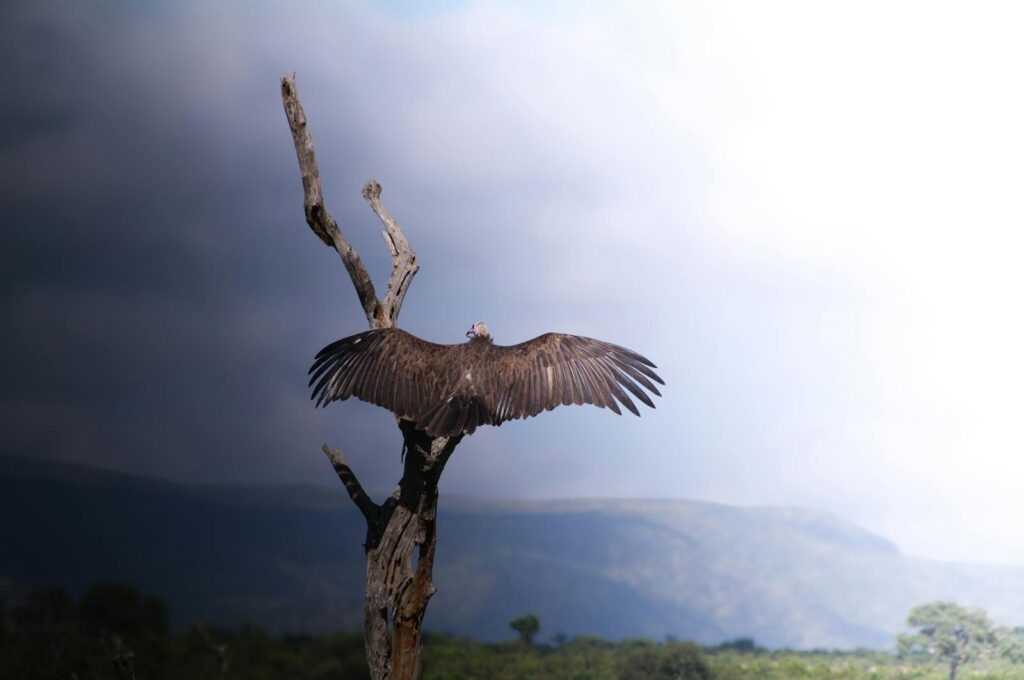
Bearded vultures inhabit remote, mountainous regions across parts of Europe, Africa, and Asia, with fragmented populations spanning from the Pyrenees and Alps to the Himalayas and mountains of Ethiopia. These birds prefer rugged, high-altitude environments, typically nesting on inaccessible cliff ledges at elevations between 1,000 and 4,000 meters (3,300-13,100 feet). Their preference for isolated, rocky terrain serves multiple purposes: it provides ideal updrafts for their soaring flight pattern, offers suitable nesting sites away from predators, and creates the perfect rocky surfaces needed for their bone-breaking feeding behavior. Each breeding pair requires an extensive territory, sometimes covering hundreds of square kilometers, which contributes to their naturally low population density even in pristine habitats.
Reproduction and Family Life
Bearded vultures form monogamous pairs that often mate for life, establishing strong bonds that can last for decades. Breeding typically begins between January and February, with the female laying 1-2 eggs that both parents take turns incubating for approximately 54-58 days. Despite laying two eggs, bearded vultures typically raise only one chick due to obligate siblicide, where the stronger nestling kills its sibling—a harsh but effective evolutionary strategy ensuring that parental resources go to the offspring with the best survival chances. The surviving chick remains dependent on its parents for an extended period of 100-130 days before fledging, and even after leaving the nest, young vultures may continue to receive parental support for several months as they master the complex skills of bone-dropping and processing.
Cultural Significance
Throughout history, the bearded vulture has featured prominently in cultural legends and folklore, often with negative associations due to its bone-eating habits and imposing appearance. In Greek mythology, the poet Aeschylus is said to have been killed when a bearded vulture dropped a tortoise on his head, mistaking his bald scalp for a rock. In Tibet, where the bird is known as the “sky burial” vulture, it plays an important role in funeral practices where human corpses are left exposed for vultures to consume—a practice considered a generous final offering of one’s physical form. Despite historical fear and superstition surrounding the species, many modern cultures living alongside bearded vultures have developed a deep respect for these birds, recognizing their ecological importance and incorporating their image into regional art and cultural identity.
Conservation Status
The bearded vulture is classified as Near Threatened on the IUCN Red List, with populations having experienced significant historical declines across much of its range. In Europe, the species was driven to near-extinction by the early 20th century due to persecution, poisoning, and habitat loss, surviving only in small isolated populations. Dedicated conservation efforts beginning in the 1970s have led to successful reintroduction programs in the Alps, Pyrenees, and other European mountain ranges, with breeding pairs now re-established in regions where they had been absent for decades. Despite these conservation successes, the species continues to face threats including poisoning (both deliberate and accidental), collision with power lines, habitat degradation, and reduced food availability in some regions.
Ecological Importance
Bearded vultures serve a crucial ecological function by processing and recycling skeletal remains that would otherwise remain in the environment for years or decades. By consuming bones that other scavengers leave behind, they complete the recycling of nutrients from carcasses back into the ecosystem. Their specialized feeding niche means they rarely compete with other scavengers, instead complementing the ecological roles of other vulture species that focus on soft tissues. In mountain ecosystems where decomposition happens slowly due to cold temperatures, the bearded vulture’s ability to process bones helps prevent the accumulation of skeletal remains and reduces the potential spread of diseases that might otherwise occur from persistent carcasses.
Distinctive Coloration Mystery
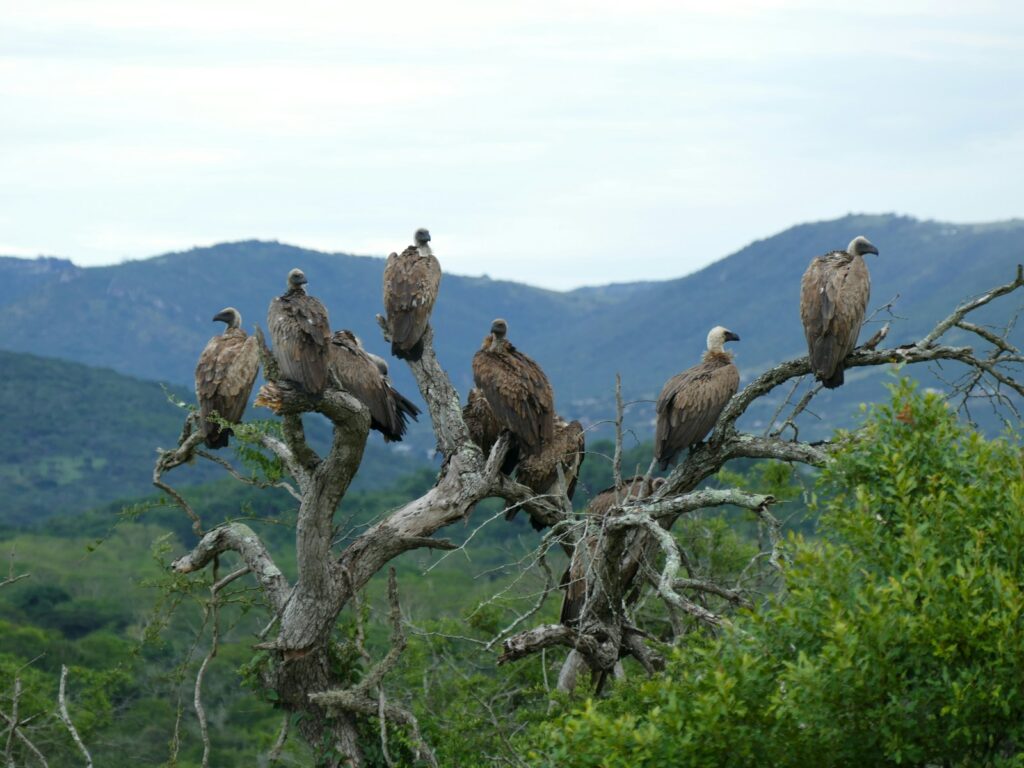
One of the most intriguing aspects of bearded vultures is their habit of deliberately staining their naturally white plumage to achieve their characteristic rusty-orange coloration. These vultures actively seek out iron-rich soils and mud, in which they bathe and rub their feathers to obtain this distinctive pigmentation. Scientists have proposed several theories to explain this unusual behavior, including camouflage, social signaling, antibacterial protection, or even as a status indicator, as birds with brighter coloration may be signaling their success at finding quality bathing sites. Recent research suggests that the intensity of the coloration might be an honest indicator of the bird’s health and status, potentially playing a role in mate selection and territorial displays.
Intelligence and Learning

Bearded vultures demonstrate remarkable intelligence, particularly in developing and refining their bone-dropping technique. Young birds must learn through practice and observation, gradually improving their accuracy and efficiency at breaking bones. Studies of captive birds have shown they can learn to discriminate between bone shapes and sizes, selecting those most likely to break effectively when dropped. Their intelligence extends beyond feeding behaviors, with evidence suggesting they recognize individual humans and other vultures, and can adapt their behavior based on previous experiences. The cognitive abilities required to master their specialized feeding niche, combined with their social learning capabilities, place bearded vultures among the more intellectually sophisticated raptors.
Unique Adaptations for Bone Consumption
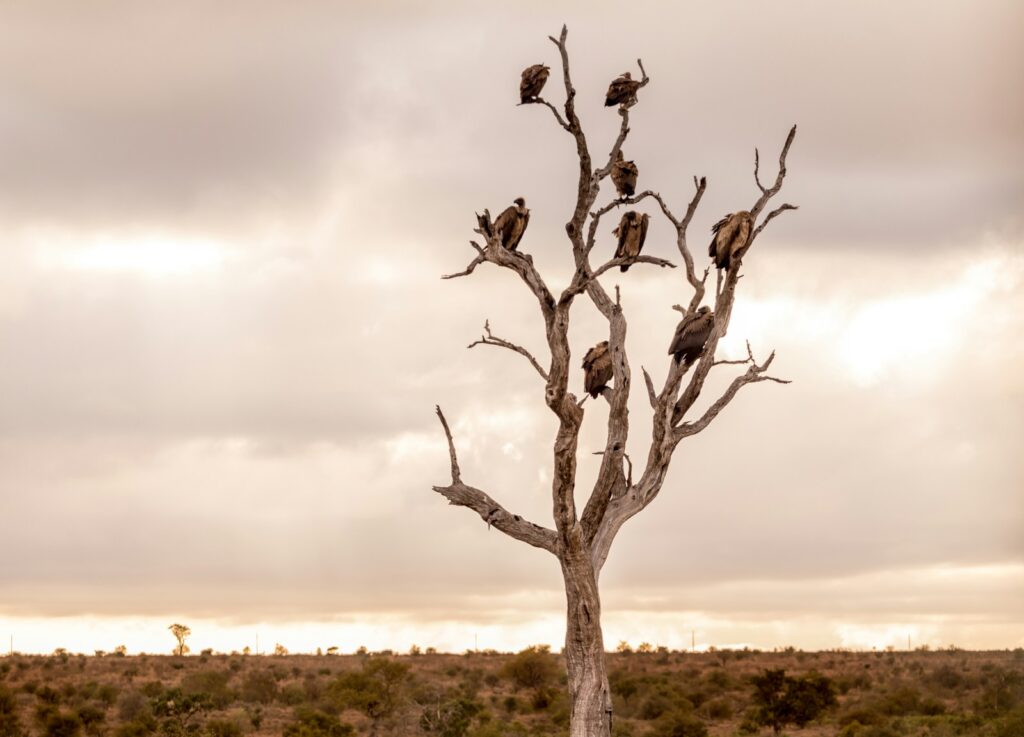
Beyond their powerful digestive system, bearded vultures possess several other adaptations specifically evolved for their bone-eating lifestyle. Their skull and beak structure are reinforced to handle the mechanical stress of processing bone fragments, with a specialized jaw musculature that generates tremendous bite force. Unlike many birds that have limited tongue mobility, bearded vultures have a specially adapted tongue that helps manipulate bone fragments in their mouth for optimal swallowing. Their feet, while strong enough to carry heavy bones in flight, lack the powerful grasping ability of hunting raptors, reflecting their scavenging rather than predatory lifestyle. Even their vision has specialized, allowing them to spot bone fragments from great distances while soaring above mountainous terrain.
Future Challenges and Outlook
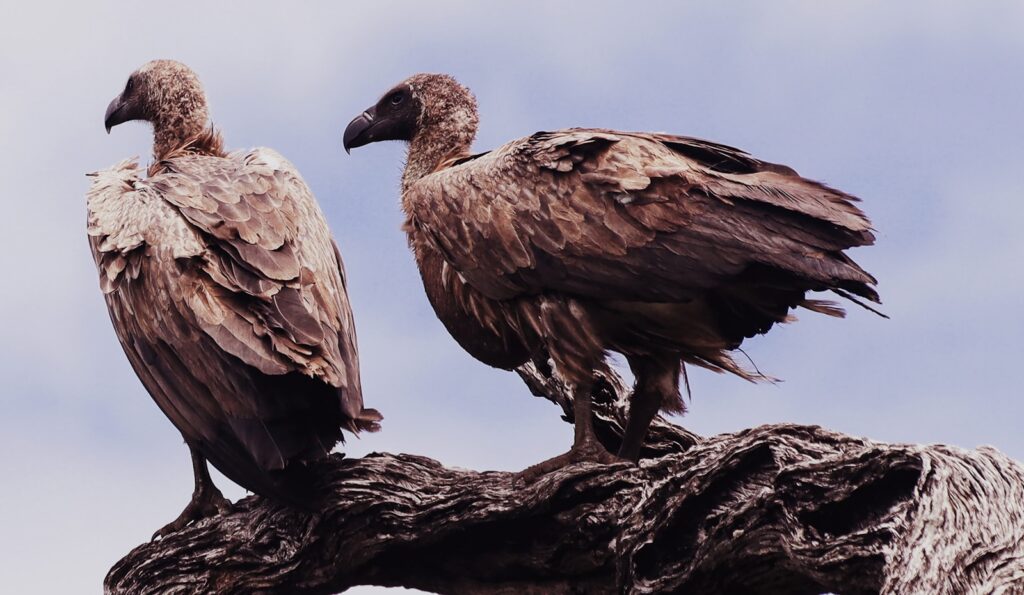
Despite conservation successes, bearded vultures face an uncertain future in a rapidly changing world. Climate change poses a particular threat, as warming temperatures may affect the mountain ecosystems these birds depend on, potentially altering food availability and suitable nesting habitat. Human development continues to encroach on their habitat, with increasing tourism in mountain regions potentially disturbing breeding sites. Conservation efforts now focus not only on addressing direct threats like poisoning and collision with infrastructure but also on maintaining connectivity between isolated populations to ensure genetic diversity. With continued protection and public education about their ecological importance, there is hope that these remarkable bone specialists will continue to soar above mountain ranges for generations to come.
The bearded vulture stands as one of nature’s most specialized and fascinating creatures. Its evolution to exploit bone marrow as a primary food source represents a remarkable example of how life can adapt to fill even the most unlikely ecological niches. From its powerful digestive system to its learned bone-dropping behavior, every aspect of this bird’s biology tells the story of specialized adaptation. As we work to protect this extraordinary species for future generations, the bearded vulture reminds us of nature’s ingenuity and the incredible diversity of strategies that allow life to thrive in our world. In protecting these bone-eating birds, we preserve not just a species, but a unique evolutionary story millions of years in the making.