
In the complex world of ecological relationships, nature often presents surprising alliances between species. One of the most fascinating examples is the seemingly counterintuitive nesting behavior of certain bird species that deliberately choose to build their nests in close proximity to one of nature’s most formidable predators: alligators.
Rather than avoiding these fearsome reptiles, some birds actively seek them out as unwitting guardians. This remarkable strategy showcases a sophisticated ecological dance where potential prey species gain protection by associating with predators that keep other threats at bay. This phenomenon, observed primarily in wetland ecosystems across the southeastern United States and similar habitats worldwide, demonstrates how evolution has shaped unexpected survival strategies in the animal kingdom.
The Surprising Alliance Between Birds and Alligators
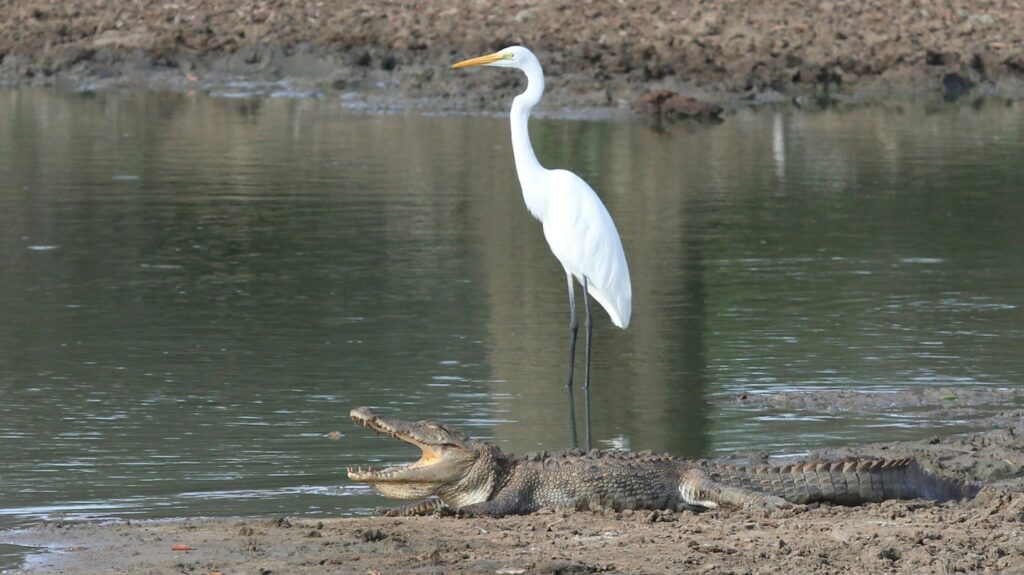
At first glance, the relationship between nesting birds and alligators seems paradoxical – why would any bird deliberately place its vulnerable eggs and chicks near such a dangerous predator? The answer lies in the complex calculation of risk assessment that these birds have evolved to make. While alligators certainly pose some danger to the birds themselves, they represent an even greater threat to the mammals, snakes, and other predators that would otherwise raid bird nests with impunity.
Through this arrangement, the birds gain a fearsome sentinel that inadvertently protects their young from common nest predators. This relationship represents an ecological phenomenon known as protective nesting association, where one species gains protection by nesting near a formidable predator that deters other threats.
Which Bird Species Choose Alligator Neighbors?
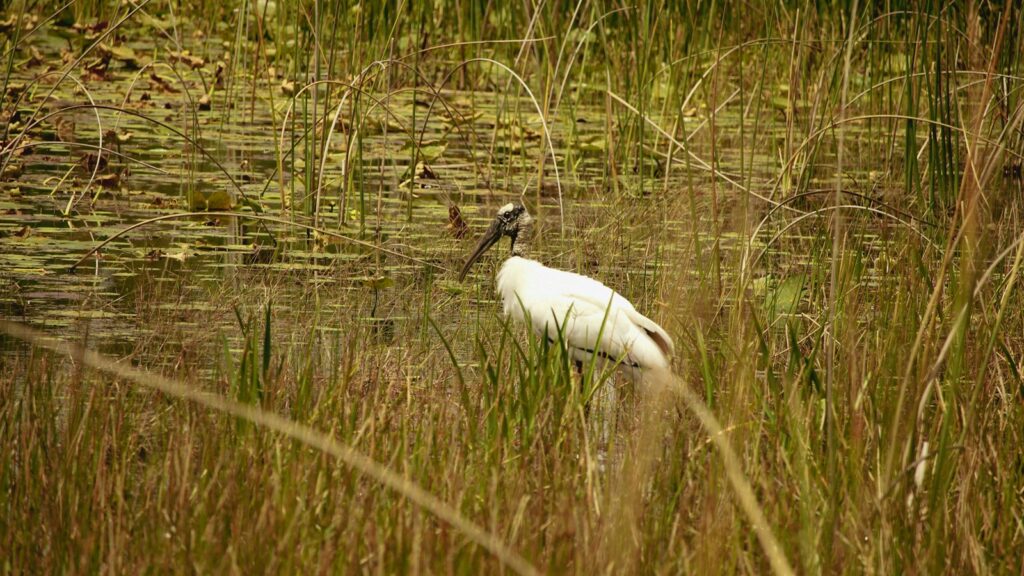
Several bird species have been documented deliberately nesting in close proximity to alligators, with wading birds being particularly notable practitioners of this strategy. Herons, egrets, storks, and ibises frequently establish rookeries directly above alligator-inhabited waters in the wetlands of Florida, Louisiana, and other southeastern states. The Wood Stork (Mycteria americana), Great Egret (Ardea alba), and various heron species such as the Great Blue Heron (Ardea herodias) are among the most common birds observed engaging in this behavior.
These colonial nesting birds often create large, bustling rookeries with dozens or even hundreds of nests concentrated in areas with healthy alligator populations. Interestingly, studies have shown that successful nesting colonies tend to persist in locations where alligators maintain a consistent presence year after year.
The Science Behind the Strategy
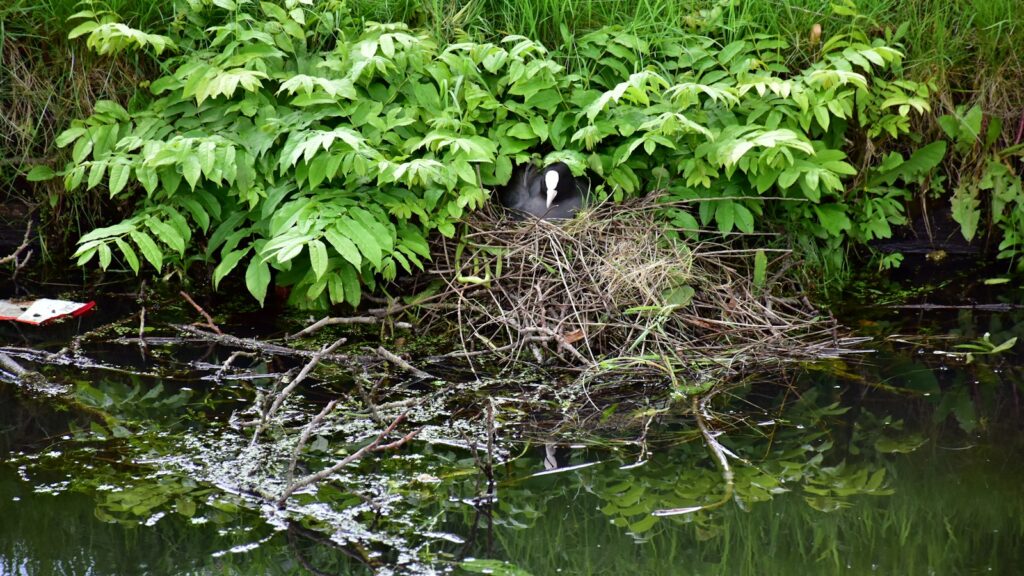
Research has confirmed that this nesting strategy is no coincidence but rather an adaptive behavior with measurable benefits. Multiple scientific studies have documented significantly higher nesting success rates for birds that establish nests in alligator-protected areas compared to those nesting in similar habitats without alligators. A landmark study in the Florida Everglades found that wading bird nests above alligator territories experienced 60-80% lower predation rates than comparable nests in alligator-free areas.
The mechanism behind this protection is straightforward: potential nest raiders such as raccoons, opossums, and snakes that might otherwise climb trees to access bird nests avoid areas with high alligator density. Through natural selection over many generations, birds that instinctively chose nesting sites near alligators would have produced more offspring, gradually cementing this behavior in their populations.
Alligators as Nest Guardians
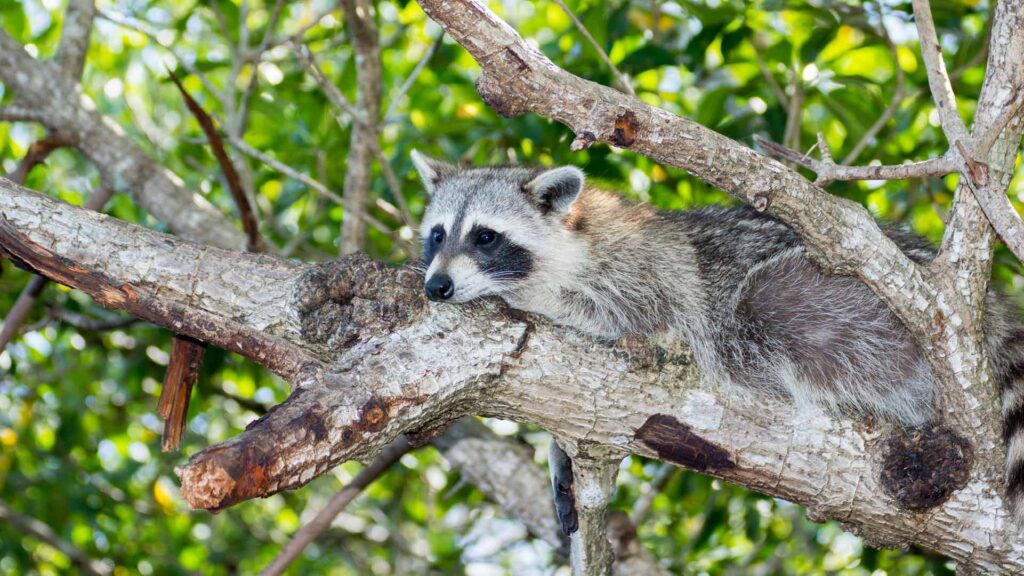
The protective benefit alligators provide stems from their role as apex predators in wetland ecosystems. Adult alligators are opportunistic hunters that will readily prey upon mammals, snakes, and other animals that typically raid bird nests. Raccoons, for instance, are notorious nest predators that will systematically destroy entire rookeries if given the opportunity, but they become extremely cautious in areas where alligators patrol.
Similarly, snakes that might otherwise make their way up trees to feast on eggs or hatchlings must first navigate waters teeming with alligators. This creates a protective barrier around the nesting area that significantly reduces the risk of nest predation. Importantly, while alligators will occasionally prey on adult birds or fallen chicks, they generally cannot access the nests themselves due to their limited climbing ability, making them ideal unwitting guardians.
The Ecological Balance of Risk
The bird-alligator relationship perfectly illustrates the concept of balanced risk assessment in nature. For nesting birds, the minimal risk posed by alligators is far outweighed by the protection gained against more persistent and specialized nest predators. Statistical analysis of nesting outcomes consistently shows that while birds do occasionally lose members of their colony to alligator predation, these losses are significantly smaller than what they would experience from mammalian and reptilian nest raiders in alligator-free areas.
This ecological calculation varies somewhat by bird species and habitat conditions, but the general principle holds across wetland ecosystems. Some researchers have noted that this relationship represents an excellent example of how animals make complex, if unconscious, risk-benefit assessments that maximize their reproductive success over time.
Geographic Distribution of This Relationship

While the bird-alligator protective association is most extensively documented in the southeastern United States, particularly in the extensive wetlands of Florida’s Everglades, similar relationships have been observed in other regions globally. In Central and South America, certain bird species nest near caiman, close relatives of alligators that fulfill a similar ecological role.
In parts of Africa, birds have been observed nesting near Nile crocodiles despite the obvious dangers. These parallel examples of protective nesting associations with large reptilian predators suggest that the strategy has evolved independently multiple times, highlighting its effectiveness as a survival mechanism. The specific dynamics vary by ecosystem and species involved, but the fundamental principle of gaining protection from one predator against others remains consistent across these geographically distinct examples.
How Alligators Benefit from the Arrangement
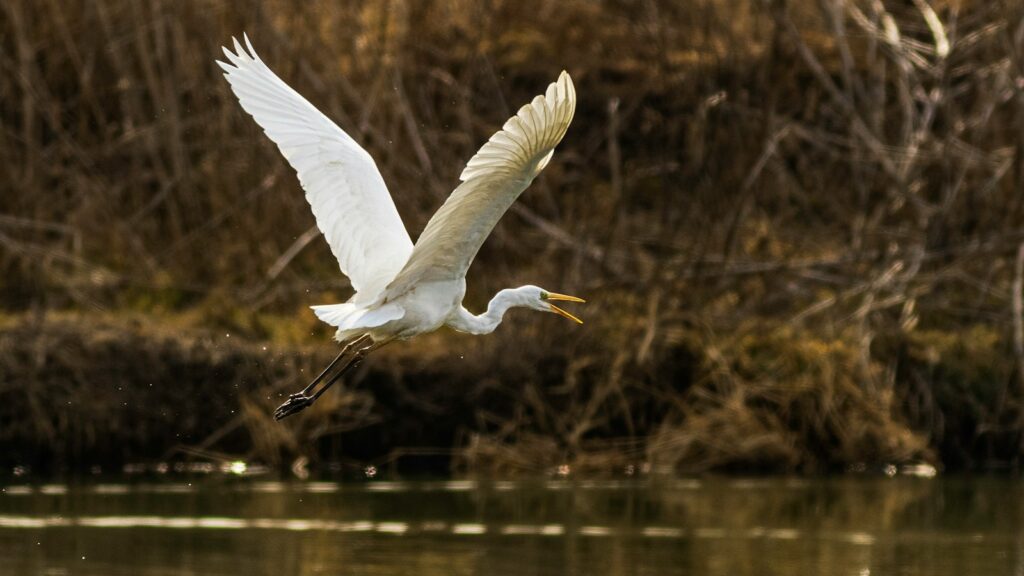
While the advantages for birds are clear, alligators also derive benefits from this relationship, creating what ecologists term a commensalistic relationship where both species gain advantages. Alligators frequently position themselves beneath bird rookeries to catch fallen nestlings, fish regurgitated by parent birds, or other food scraps that drop from the nests above. This provides alligators with an opportunistic food source that requires minimal hunting effort.
Additionally, the birds’ continuous alarm calls when they detect approaching predators serve as an early warning system for alligators, alerting them to potential threats or hunting opportunities. Some researchers have even suggested that the bird droppings fertilize the water below the nests, potentially increasing aquatic productivity and benefiting the alligator’s broader food web, though this hypothesis requires further study.
Nesting Proximity: How Close Is Too Close?
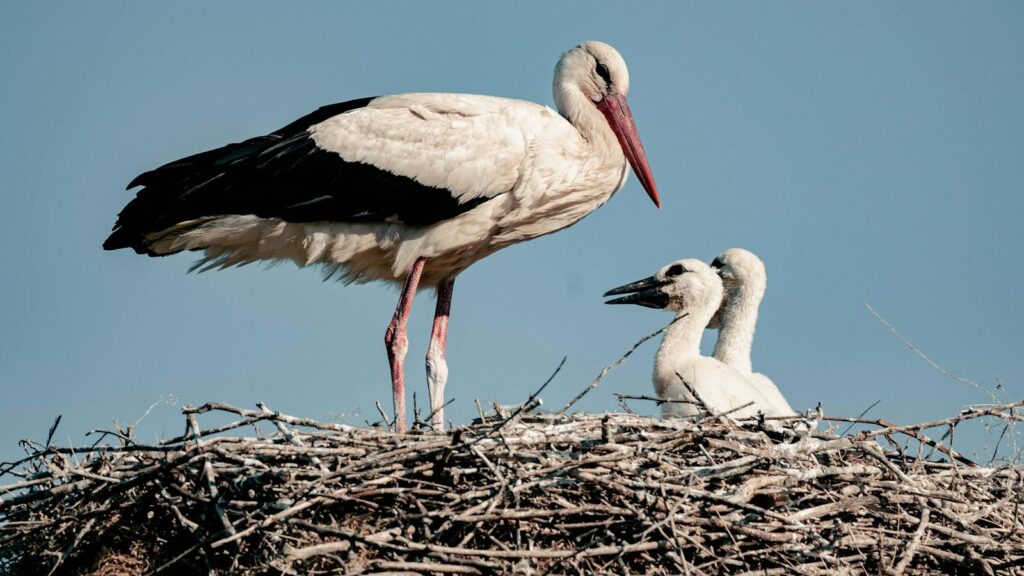
The spatial relationship between bird nests and alligators follows a fascinating pattern that balances protection with risk. Birds typically nest in trees or shrubs that stand in shallow water or on small islands surrounded by deeper channels where alligators patrol. Most commonly, nests are positioned 10-15 feet above the water’s surface – high enough to be out of an alligator’s reach even during ambitious lunges, but low enough that the alligator’s presence deters climbing predators.
Field observations have shown that birds seem to assess the size and number of alligators present when selecting nesting locations, sometimes favoring areas with multiple medium-sized alligators rather than a single large one. This suggests a sophisticated risk assessment strategy beyond simple proximity, where birds gauge the optimal balance between protection and potential danger.
The Impacts of Human Disturbance

Human activities that disrupt either bird or alligator populations can unintentionally destabilize this delicate ecological relationship. When alligator populations decline due to habitat loss, hunting, or environmental contamination, bird rookeries in those areas often experience dramatically increased predation rates as mammalian nest raiders gain unfettered access. Conversely, human disturbance of nesting areas can drive birds away from otherwise suitable habitat with good alligator protection.
Water management practices that unnaturally alter water levels can be particularly problematic, potentially leaving nests either too exposed to predators or vulnerable to flooding. Conservation efforts increasingly recognize the importance of preserving these interspecies relationships rather than focusing on single species in isolation, acknowledging that protecting alligators may be just as important for certain bird populations as direct bird conservation measures.
Climate Change Challenges

Climate change presents specific threats to the delicate bird-alligator relationship that has evolved over thousands of years. Rising temperatures affect alligator populations by altering sex ratios, as alligator gender is determined by incubation temperature. More frequent and severe storms and changing precipitation patterns disrupt traditional nesting seasons and can destroy rookeries. Sea level rise threatens coastal wetlands where many bird-alligator associations occur, potentially eliminating crucial habitat for both species.
These climate-driven disruptions could uncouple the synchronized breeding seasons that currently allow birds to maximize the protective benefits of nesting near alligators while minimizing risks. Conservation biologists are currently studying how these relationships might adapt to changing conditions and whether management interventions could help preserve these ecological partnerships.
Evolutionary Origins of the Relationship
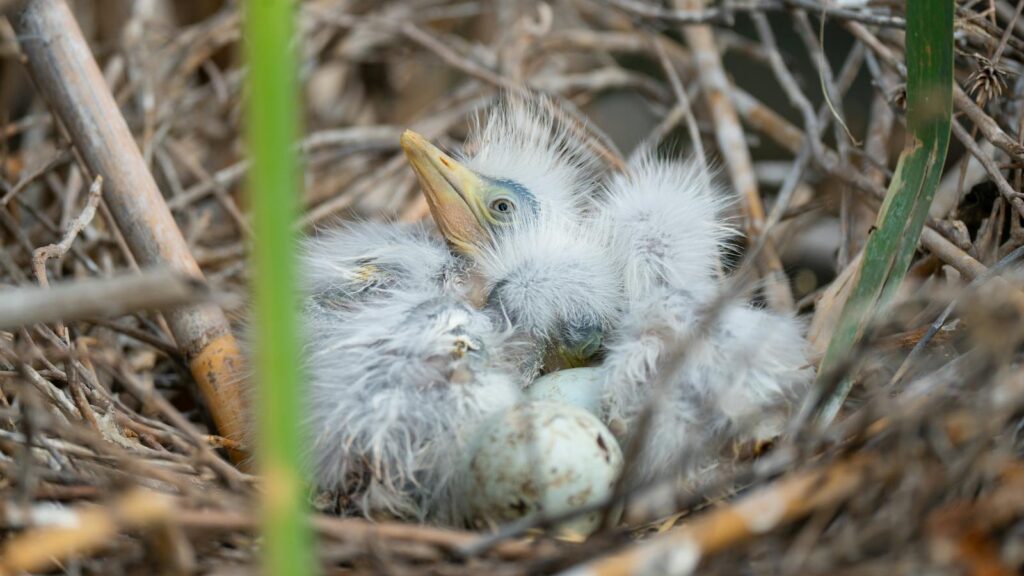
The bird-alligator relationship likely evolved gradually over thousands of years through natural selection rather than as a sudden adaptive strategy. Birds that coincidentally nested near alligators would have experienced higher reproductive success, gradually leading to genetic predispositions for this behavior. Some evolutionary biologists suggest this relationship may have very ancient roots, potentially dating back millions of years to when birds’ dinosaur ancestors might have developed similar relationships with other predatory reptiles.
The behavior shows remarkable evolutionary refinement, with birds displaying the ability to distinguish between alligators (beneficial protection) and water snakes (pure threat with no protective benefit). This suggests a highly specialized adaptation rather than generalized predator association, pointing to a long co-evolutionary history between these species.
Similar Protective Relationships in Nature
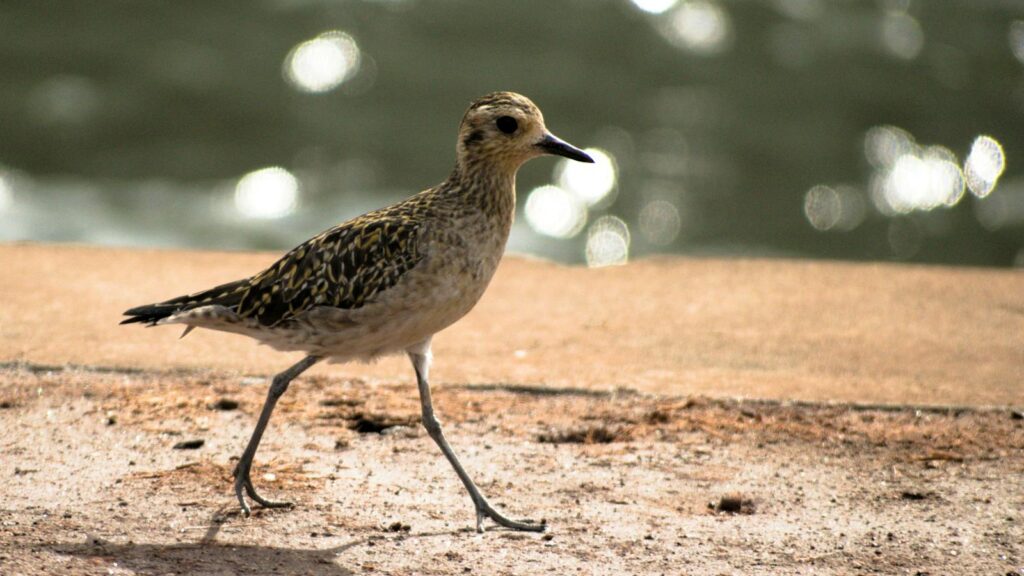
The bird-alligator protective association belongs to a broader category of fascinating ecological relationships where prey species gain protection by associating with certain predators. In African savannas, Thomson’s gazelles often graze near cheetahs, which deter other predators like hyenas that pose a greater statistical threat to the gazelles. Certain small fish species seek protection among the tentacles of sea anemones, which deter larger predatory fish. Nesting plovers on the Arctic tundra preferentially establish nests near peregrine falcon territories, gaining protection from foxes and other nest predators that the falcons drive away.
These varied examples demonstrate convergent evolution, where similar ecological strategies develop independently across different species and habitats. Each represents a sophisticated balancing act where animals increase their overall survival odds by accepting proximity to one predator to gain protection from others.
Conservation Implications and Future Research
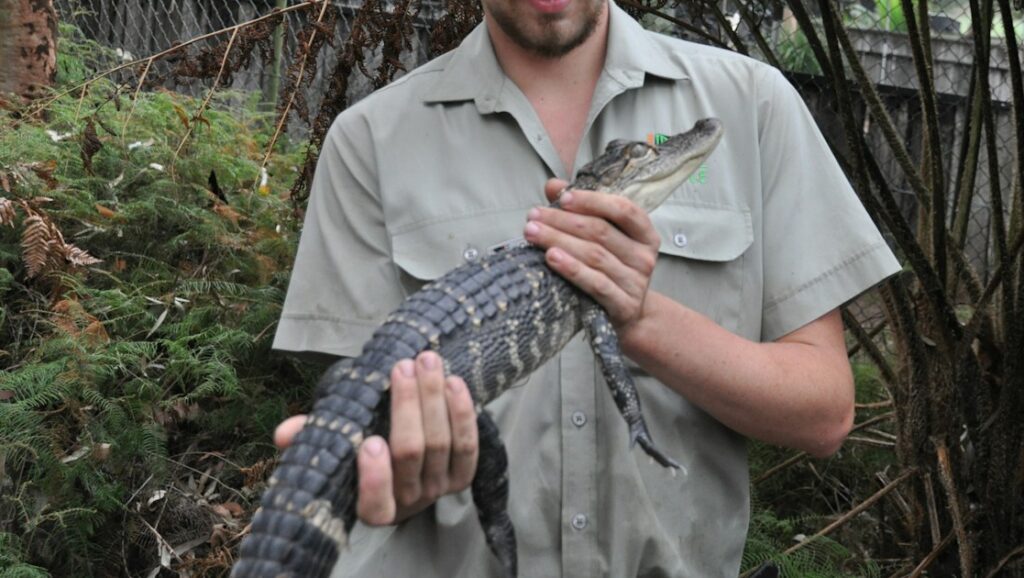
Understanding the interdependence between nesting birds and alligators has significant implications for wetland conservation strategies. Rather than managing species in isolation, conservation biologists increasingly recognize the need to preserve these complex ecological relationships. Future research directions include investigating how climate change might affect the synchronicity between bird nesting seasons and alligator activity patterns, exploring whether restoration efforts could reestablish these protective associations in degraded wetlands, and determining minimum viable population sizes needed to maintain functional protective relationships.
Some conservation projects are now specifically monitoring bird nesting success in relation to alligator populations, using this as an indicator of ecosystem health. By preserving these fascinating ecological partnerships, conservationists hope to maintain the intricate web of relationships that characterizes healthy, functioning wetland ecosystems.
Conclusion

The remarkable relationship between nesting birds and alligators represents one of nature’s most fascinating examples of ecological balance and adaptation. Through this unlikely alliance, birds have found a way to transform one of their potential predators into an effective guardian against even greater threats. This relationship underscores the complexity of natural ecosystems, where straightforward predator-prey dynamics often give way to more nuanced interactions shaped by evolutionary pressures.
As wetland habitats face increasing threats from human development and climate change, preserving these intricate ecological relationships becomes increasingly important. The bird-alligator association reminds us that conservation efforts must focus not just on individual species but on the preservation of the complex interactions that bind ecosystems together in ways we are still working to fully understand.